
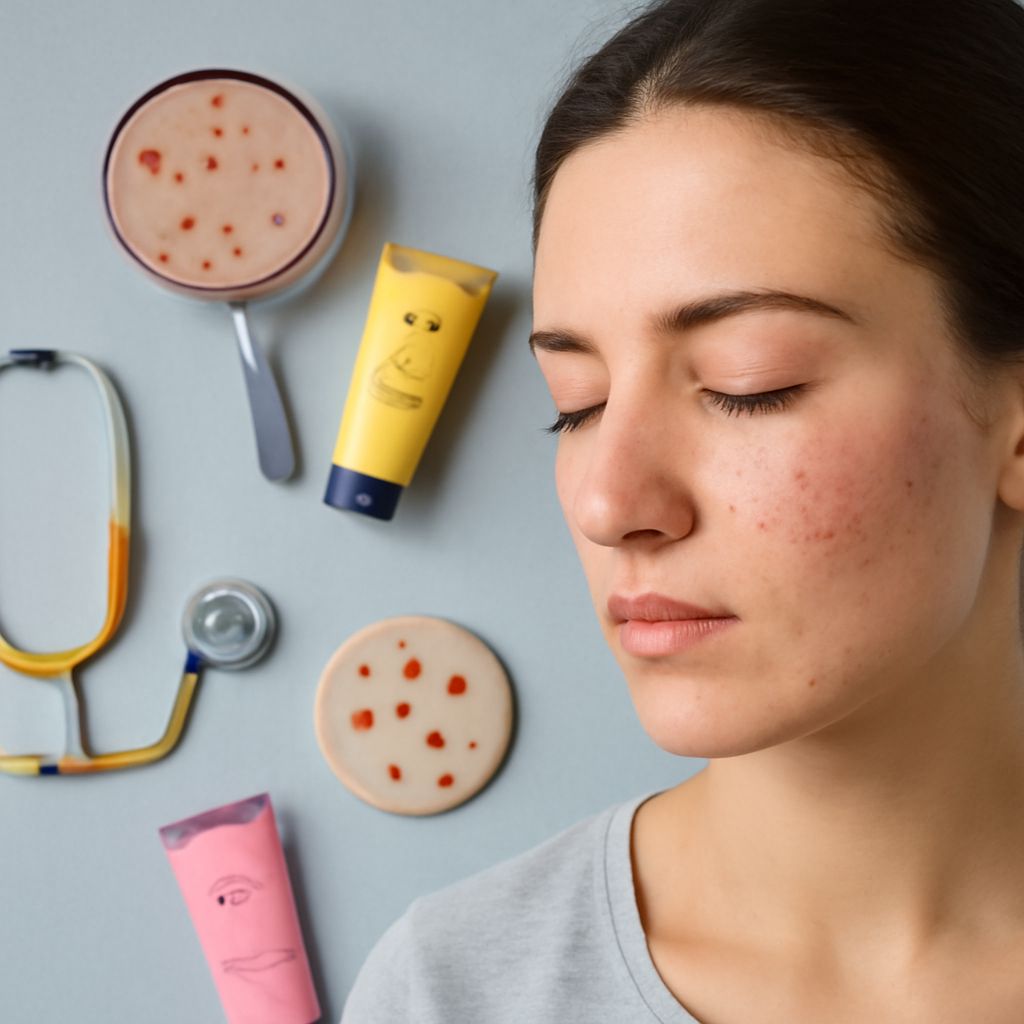
Acne and eczema are common skin conditions that can cause distress and discomfort for many individuals. While pustule acne is characterized by inflamed, pus-filled lesions, eczema is marked by itchy, red, and sometimes scaly patches. Understanding the differences and interplay between eczema vs acne is crucial for effective treatment. This article delves into eczema acne, exploring whether you can have eczema and acne simultaneously, and provides insights into managing acne pus.
What Is Pustule Acne?
Pustule acne is a form of inflammatory acne that appears when pores become blocked with oil, dead skin cells, and bacteria. These blockages can cause small, red bumps filled with white or yellow pus to form. The presence of acne pus indicates the body’s response to bacterial invasion in the pores. Acne pustules are a common occurrence, especially during adolescence, but can affect people of all ages. Understanding the cause of pustule formation is essential for effective treatment and prevention.
How Is Eczema Acne Different?
Eczema acne, while not a medically recognized term, refers to the coexistence of eczema-like symptoms with acne. Eczema, or atopic dermatitis, typically presents as dry, itchy, and inflamed skin, devoid of the pustular formations seen in acne. However, individuals with eczema may experience acne outbreaks due to skin barrier dysfunction and increased susceptibility to irritants. This combination demands a nuanced approach to treatment, focusing on both inflammation control and acne management.
Eczema vs Acne: Key Differences
While eczema and acne may share some overlapping symptoms, they are distinct conditions with different causes. Acne results from clogged pores due to excess oil and bacteria, whereas eczema is primarily a response to allergens or irritants, leading to an impaired skin barrier. Acne is characterized by pimples, blackheads, and pustules, while eczema presents as dry, scaly, and itchy patches. Recognizing these differences is crucial for tailoring treatment strategies effectively.
Can You Have Eczema and Acne Together?
It is possible to have both eczema and acne on the same skin. Individuals with eczema have compromised skin barriers, making them prone to acne outbreaks. Stress, environmental factors, and improper skincare can exacerbate both conditions simultaneously. Treating these coexisting issues requires a comprehensive approach that addresses skin hydration, inflammation, and pore-clearing strategies without aggravating either condition.
How to Treat Acne Pus Effectively
Managing acne pus involves addressing underlying causes of acne and promoting healing of inflamed lesions. Key treatments include topical antibiotics, retinoids, and benzoyl peroxide, which help reduce bacterial load and clear blocked pores. It is important to maintain a gentle skincare routine that does not irritate the skin further. Consulting dermatologists for personalized management plans can ensure effective treatment while preventing scarring.
Preventive Measures for Both Eczema and Acne
Preventing flare-ups of both eczema and acne involves maintaining proper skin care and healthy lifestyle habits. Use non-comedogenic moisturizers to keep the skin hydrated and avoid pore clogging. Regularly cleanse the skin with gentle, non-irritating cleansers to remove excess oil and bacteria. Incorporate anti-inflammatory agents like niacinamide to soothe irritated skin. Avoid known irritants and allergens, and manage stress through relaxation techniques to keep both eczema and acne at bay.
Safety Recap: When dealing with acne and eczema, it’s essential to use gentle tools and avoid harsh treatments that can aggravate sensitive skin. Consult a dermatologist for personalized advice and avoid self-prescribing medications. Proper care can prevent worsening of symptoms and promote healthy skin.



Leave a Reply