
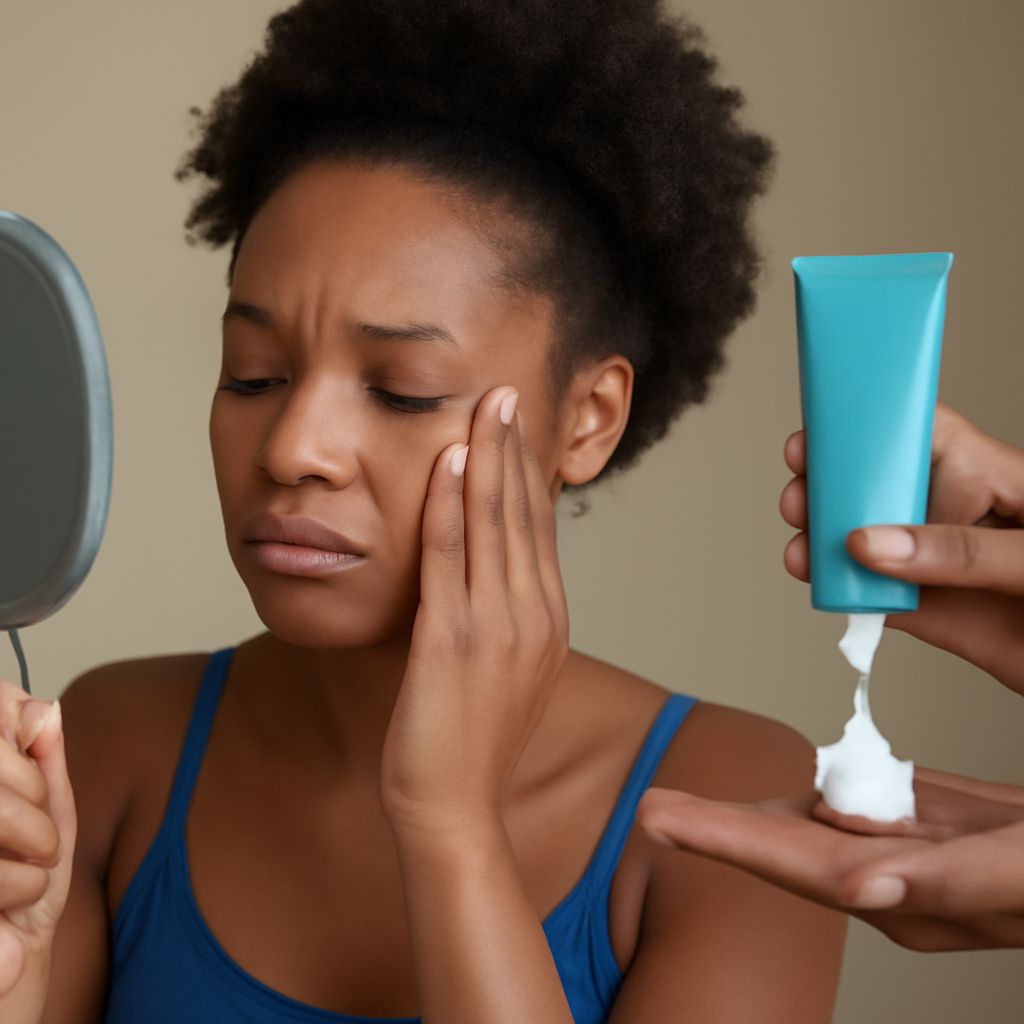
Dealing with persistent acne can be both frustrating and challenging, especially when conventional treatments fail to deliver the desired results. For many, exploring alternatives such as spironolactone dosage for acne has been a game-changer. This medication, primarily used as a diuretic, has shown promising results in managing acne by targeting hormonal imbalances. Alongside spironolactone, homeopathic acne treatment offers a complementary or alternative approach, focusing on natural remedies that cater to individual needs.
In this comprehensive guide, we will delve into the intricacies of finding the right spironolactone dose for acne and examine the benefits and risks associated with its use. Additionally, we will explore how homeopathic remedies can provide relief from acne symptoms, offering a holistic path to clearer skin.
Understanding Spironolactone Dosage for Acne
Spironolactone is a well-known medication in dermatology, primarily prescribed to women suffering from hormonal acne. It works by blocking androgen receptors, which reduces the production of sebum, a key contributor to acne. The dosage of spironolactone for acne typically ranges from 50mg to 200mg per day, tailored to the patient’s needs and response to treatment.
It’s crucial to start with a lower dose, allowing the body to adjust, before gradually increasing to achieve optimal results. Consulting with a healthcare professional is essential to determine the most effective spironolactone dose for acne, ensuring both efficacy and minimized side effects.
Determining the Right Spironolactone Dose for Acne
The appropriate spironolactone dosage varies from person to person, influenced by factors such as age, severity of acne, and hormonal levels. A healthcare provider will typically recommend starting at a lower dose, such as 50mg daily, and observing the body’s reaction before making any adjustments.
Monitoring the response is crucial, as it helps in fine-tuning the dosage to achieve the best possible outcomes with minimal adverse effects. Regular follow-ups with a healthcare provider are advised to assess progress and make necessary adjustments to the spironolactone dose for acne management.
Benefits and Risks of Spironolactone Use
Spironolactone offers several benefits for those struggling with acne. It can reduce oil production, decrease the occurrence of new breakouts, and improve the overall appearance of the skin. However, like any medication, it comes with potential risks. Common side effects include dizziness, menstrual irregularities, and electrolyte imbalances.
Long-term use requires careful monitoring to prevent complications. It is not recommended for people with certain health conditions or those who are pregnant or breastfeeding. As with any medication, it is crucial to weigh the benefits against the risks and engage in open communication with a healthcare provider before starting treatment.
Exploring Homeopathic Acne Treatment
For those seeking a more natural approach, homeopathic acne treatment offers an alternative. Homeopathy focuses on treating the individual as a whole, considering physical, emotional, and environmental factors. It uses highly diluted substances to stimulate the body’s own healing processes.
Homeopathy for acne involves selecting remedies based on specific symptoms and individual characteristics. This personalized treatment can be an attractive option for those wary of the side effects associated with conventional medications like spironolactone.
Popular Homeopathic Remedies for Acne
Several homeopathic remedies have gained popularity for their purported effectiveness in treating acne. Sulphur is commonly used for cases with itchy, inflamed skin, while Silicea is chosen when deep, painful cysts are present. Pulsatilla may be recommended for those with acne exacerbated by hormonal changes.
Other remedies like Calcarea Carbonica are selected based on individual symptoms, such as excessive sweating or a tendency for cold hands and feet. Working with a trained homeopath can help identify the most suitable remedy for each person’s unique presentation of acne.
Comparing Homeopathy and Conventional Acne Treatments
When comparing homeopathy and conventional acne treatments, such as spironolactone, it is essential to consider the approach and potential outcomes. Conventional treatments often focus on managing symptoms and reducing the frequency of breakouts through medications that alter hormonal activity or reduce bacterial presence on the skin.
In contrast, homeopathic treatment aims to address the root cause of acne, considering the individual’s overall health and lifestyle. While conventional methods may offer quicker results, they can come with side effects. Homeopathic remedies, on the other hand, emphasize safety and minimal side effects, but they may require more time and patience to achieve noticeable results.
Ultimately, the choice between these approaches depends on personal preferences, the severity of acne, and the individual’s health profile. Combining both methods under professional guidance can also be an effective strategy for managing acne.
Next Steps
Embarking on a treatment journey for acne requires careful consideration and personalized care. Start by consulting with a healthcare professional to determine the most suitable spironolactone dosage for your condition. Additionally, consider exploring homeopathic options to complement your treatment plan.
Regular follow-ups and open communication with your healthcare provider or homeopath are vital to monitoring progress and making necessary adjustments. Remember to prioritize a holistic approach that considers lifestyle, diet, and stress management, as these factors can significantly impact skin health and the success of any acne treatment regimen.
Safety Note: Always discuss with a healthcare professional before starting or combining treatments, especially if you have underlying health conditions or are taking other medications. This ensures a safe and effective acne management plan.



Leave a Reply