
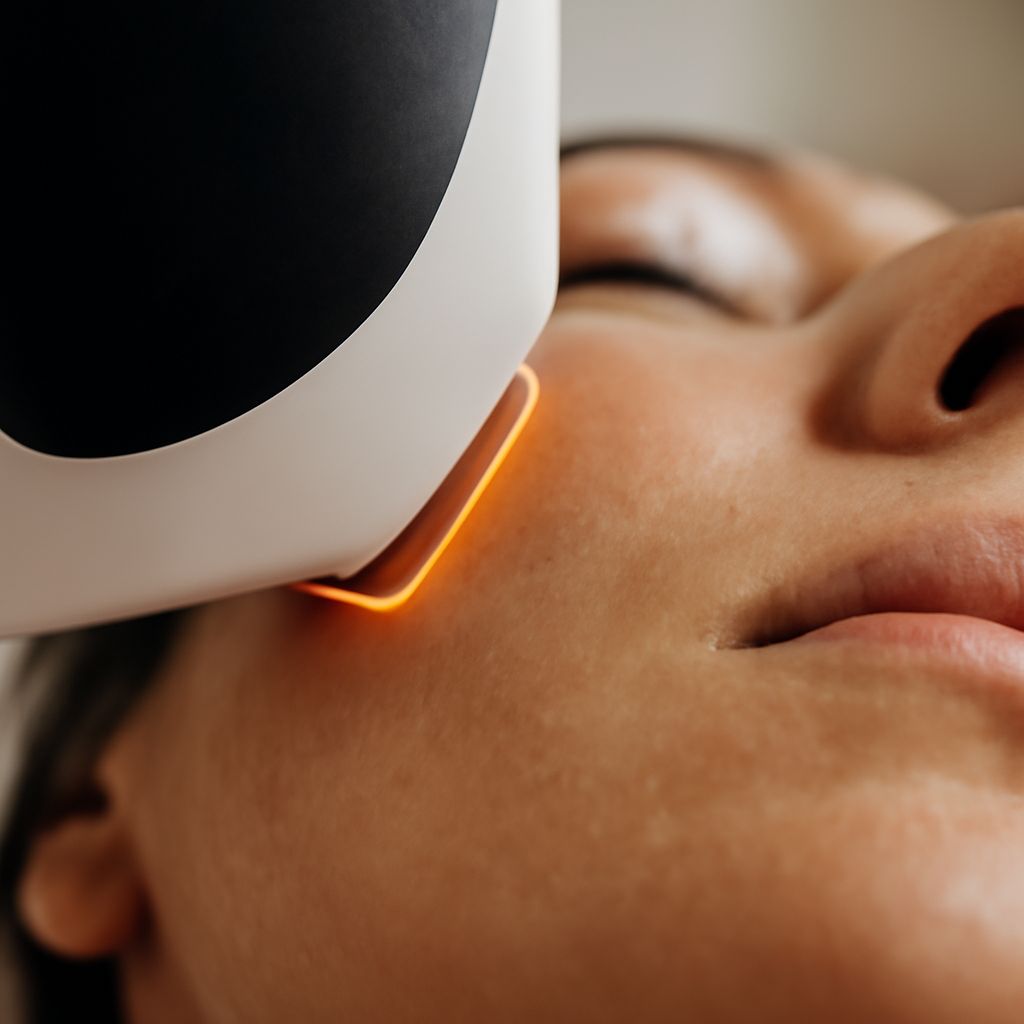
Acne is a common skin condition that affects millions worldwide, often leading to frustration and a search for effective solutions. While there are numerous treatments available, not all are created equal. IPL acne treatment is gaining traction as a promising solution for achieving clearer skin by targeting acne at its root. By integrating detox for acne into your skincare routine, you can enhance the results of IPL, leading to a more comprehensive approach to fighting acne.
Understanding how these treatments work and their potential benefits can empower you to make informed decisions about your skincare regimen. This guide will delve into the specifics of IPL for acne, explore the benefits and risks, and discuss how combining IPL with a detox can improve your complexion.
What is IPL for Acne?
Intense Pulsed Light (IPL) is a dermatological procedure that uses broad-spectrum light to reduce acne and improve skin texture. Unlike lasers that use a single wavelength, IPL emits multiple wavelengths, which allows it to target various skin issues, including acne. This treatment is particularly effective for individuals with acne-prone skin, as it not only addresses existing blemishes but also prevents future breakouts.
How Does IPL Acne Treatment Work?
IPL works by penetrating the skin and delivering light energy to deeper layers where acne-causing bacteria reside. The light targets hemoglobin and melanin, reducing inflammation and killing bacteria. This process helps in diminishing active acne and preventing new pimples from forming. Moreover, IPL stimulates collagen production, which aids in skin rejuvenation and the fading of acne scars over time.
Benefits of IPL for Acne-Prone Skin
The use of IPL offers several advantages for those struggling with persistent acne. One of the significant benefits is its ability to treat various skin issues simultaneously, including redness, pigmentation, and spots. Additionally, IPL is non-invasive, meaning there is minimal downtime, and it is suitable for a range of skin types and tones.
Another plus of IPL is its precision. The treatment can be customized to target specific areas of concern, making it a versatile option for those with specific acne-prone areas. Over time, patients often notice a reduction in the frequency and severity of acne outbreaks, alongside an overall improvement in skin texture and tone.
Detox for Acne: A Holistic Approach
While treatments like IPL target acne on the surface, a holistic approach incorporating detox can address internal factors contributing to acne. Detoxification aims to eliminate toxins from the body, which can manifest as skin issues when accumulated. This process often involves dietary changes, increased water intake, and the use of antioxidants to support liver and kidney functions.
A detox routine can potentially reduce inflammation and improve skin health from the inside out, making it an excellent complement to external treatments like IPL.
Combining IPL Acne Treatment with Detox Methods
Integrating detox strategies with IPL treatments can offer comprehensive benefits for those battling acne. By addressing both internal and external factors, individuals can achieve more significant improvements in skin clarity. For instance, combining a diet rich in fruits, vegetables, and lean proteins with IPL sessions can help in maintaining balanced oil production and reducing acne triggers.
Moreover, regular detox practices can enhance the effectiveness of IPL by ensuring that your skin and body are in optimal condition to respond to treatment. This integrated approach supports the skin’s healing process and can lead to longer-lasting results.
Potential Risks and Considerations
While IPL is generally considered safe, there are potential risks and considerations to keep in mind. Skin sensitivity varies among individuals, and some may experience redness, swelling, or irritation post-treatment. It is crucial to consult with a qualified dermatologist before starting IPL to ensure it is appropriate for your skin type and condition.
Additionally, those with darker skin tones may need to exercise caution, as IPL can sometimes cause pigmentation changes. Always discuss your medical history and any skin sensitivities with your practitioner to avoid adverse effects. Post-treatment care, such as using sunscreen and avoiding harsh skincare products, can also help mitigate risks.
Pro tips recap: Combining IPL for acne with a detox for acne approach provides a comprehensive strategy for clearer skin. Ensure you consult a dermatologist to tailor the treatment to your skin type, and consider integrating dietary changes for enhanced results. Remember to follow post-treatment care guidelines to maintain skin health and achieve the best outcomes.




Leave a Reply