
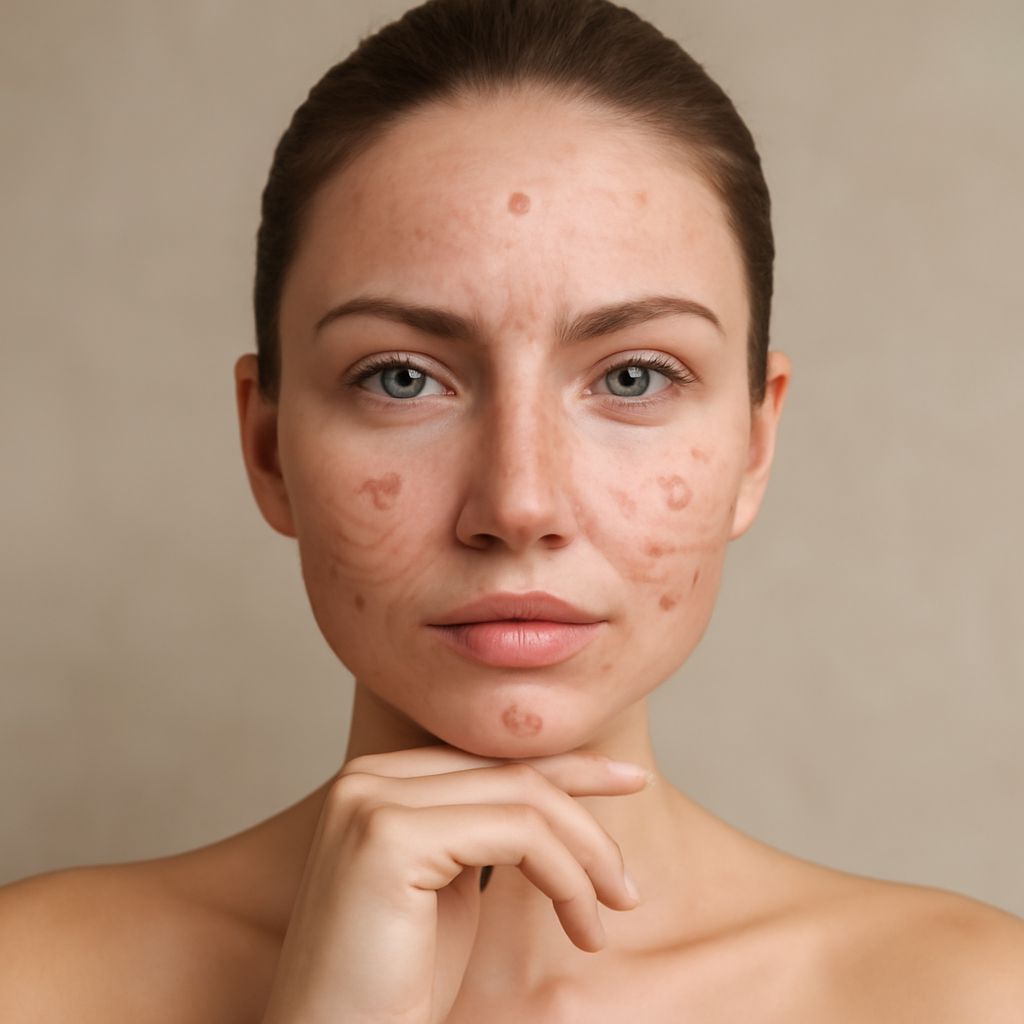
Acne is a common skin concern that affects millions worldwide, often leading to frustration and a search for effective solutions. Among the plethora of treatments available, glycolic acid has emerged as a potent option for tackling acne due to its exfoliating properties. Combined with traditional skincare wisdom, such as Chinese face mapping acne techniques, glycolic chemical peels offer a holistic approach to achieving clear skin. This article explores how glycolic acid helps with acne, the workings of glycolic chemical peels, and the integration of these methods with Chinese face mapping.
What is Glycolic Acid and How Does It Help Acne?
Glycolic acid, a type of alpha-hydroxy acid (AHA), is derived from sugar cane and is known for its ability to penetrate the skin deeply. This penetration allows glycolic acid to exfoliate effectively, removing dead skin cells and unclogging pores, which are common contributors to acne. Regular use can lead to smoother skin texture and fewer breakouts.
Acne can be significantly reduced through the consistent application of products containing glycolic acid, making it a popular choice in many skincare routines. Its efficacy in treating acne lies in its ability to accelerate cell turnover, thus preventing pores from becoming congested and infected.
How Does a Glycolic Chemical Peel Work?
A glycolic chemical peel involves applying a concentrated glycolic acid solution to the face. This procedure works by removing the outermost layer of dead skin cells, revealing fresher, healthier skin beneath. The peel process stimulates the growth of new skin cells while reducing acne and its associated scarring.
The peel’s intensity can vary, from light peels that offer mild exfoliation to deep peels that provide more dramatic results. Regardless of the intensity, these peels are generally effective in diminishing the appearance of acne, smoothing out skin texture, and improving overall complexion.
It’s important to note that while glycolic peels are beneficial, they should be performed by professionals to ensure safety and optimal results, especially for those with sensitive skin.
Understanding Chinese Face Mapping Acne
Chinese face mapping is an ancient technique that links different areas of the face to specific organs and systems within the body. According to this practice, acne that appears in certain facial regions may reflect underlying health issues.
For instance, acne on the forehead might be related to digestive problems, while breakouts on the cheeks could be linked to respiratory issues. By understanding these connections, individuals can address the root causes of acne beyond topical treatments.
Integrating face mapping into an acne treatment routine involves not only treating the skin externally but also considering lifestyle changes and internal health adjustments that might be necessary for optimal skin health.
Benefits of Glycolic Acid Chemical Peels
Glycolic acid chemical peels provide a number of benefits that extend beyond acne treatment. These peels enhance skin brightness and texture by removing dull and dead cells. As new skin forms, the appearance of acne scars and hyperpigmentation diminishes.
The regular use of glycolic acid can also aid in controlling oil production. By maintaining balanced skin hydration and oil levels, glycolic peels help prevent future breakouts. Furthermore, they promote collagen production, which leads to firmer and more resilient skin.
Glycolic acid peels are versatile, suitable for various skin types, and can be tailored to individual needs and concerns, ranging from mild acne to more extensive skin clarity goals.
Integrating Glycolic Acid with Chinese Acne Face Map Techniques
Integrating glycolic acid treatments with Chinese face mapping techniques offers a comprehensive approach to acne management. By combining these methods, individuals can address both the external symptoms and potential internal causes of acne.
This integration involves using glycolic acid-based products to treat the skin surface while also incorporating lifestyle adjustments suggested by face mapping insights. For example, improving digestion or respiratory health as indicated by facial breakouts can enhance the effectiveness of topical treatments.
Consulting with skincare professionals who understand both modern and traditional methods can provide a balanced perspective, ensuring a personalized treatment plan that maximizes the benefits of both approaches.
Ultimately, the fusion of glycolic chemical peels and Chinese face mapping offers a unique pathway to clearer and healthier skin, addressing acne from multiple angles.
Safety Recap: When utilizing glycolic chemical peels, it’s vital to follow professional guidance to prevent skin irritation or damage. Additionally, understanding your skin’s sensitivity and adapting treatments accordingly can ensure safe and effective results.



Leave a Reply