
Acne is a common concern affecting millions worldwide, and finding the right solution often involves navigating a maze of information and myths. For those struggling with this skin condition, understanding whether certain practices, like shaving, can help or worsen the problem is essential. When it comes to shaving, many people wonder: does shaving help acne, or could it potentially exacerbate the issue? Additionally, the use of natural remedies like tea tree oil has gained popularity, but how effective is it for acne scars and cystic acne? Exploring these topics will provide clarity and guidance for effective acne management.
How Does Shaving Affect Acne?
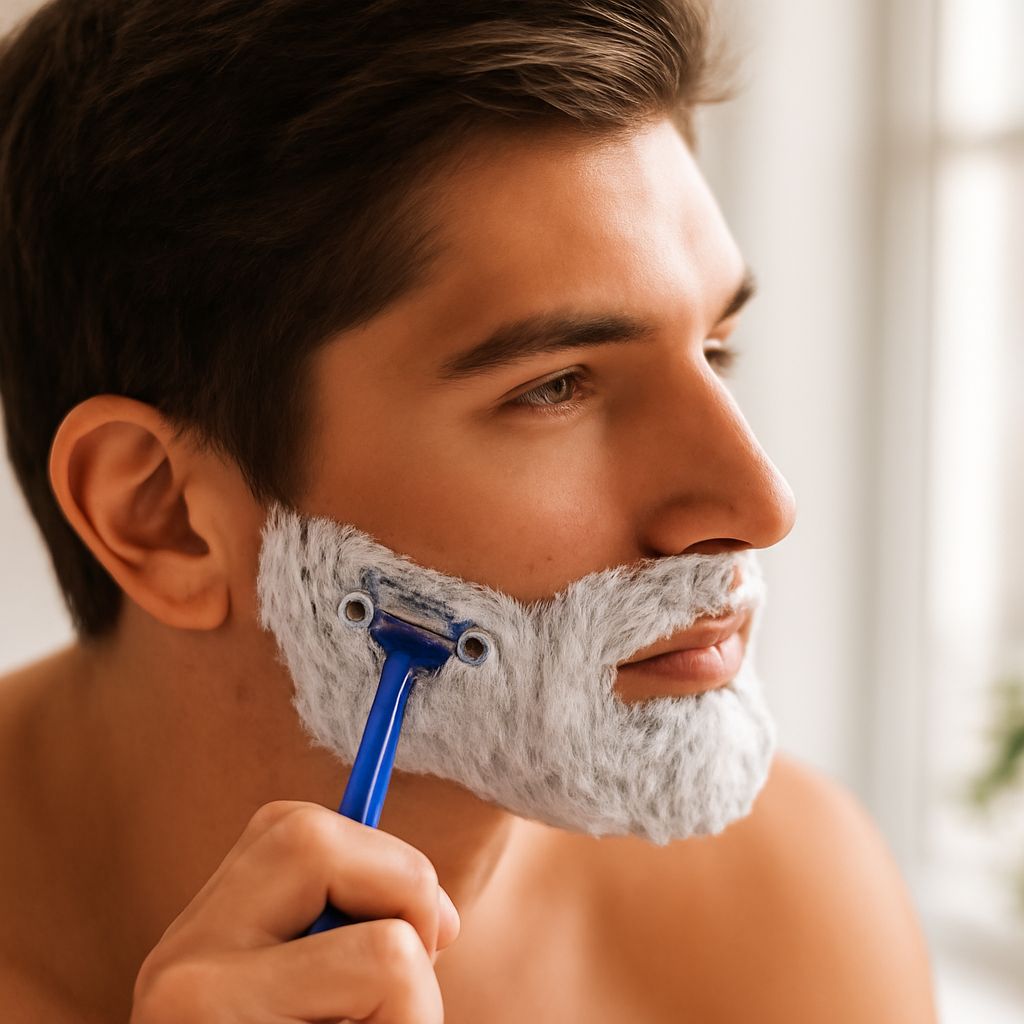
Shaving can have both positive and negative effects on acne-prone skin. On the one hand, shaving helps exfoliate the skin, removing dead skin cells and preventing clogged pores, which can reduce the occurrence of acne. On the other hand, improper shaving techniques or using the wrong tools can irritate the skin, leading to razor bumps and contributing to the development of acne. The key lies in understanding how to shave properly and choosing the right products to minimize irritation.
Does Shaving Help Acne or Make It Worse?
The relationship between shaving and acne is complex. For some, regular shaving may help manage acne by keeping skin clean and exfoliated. However, the wrong shaving practices—such as using dull blades, shaving too aggressively, or not using appropriate aftercare—can worsen acne by causing skin irritation and inflammation. Therefore, it’s important to adopt a shaving routine that supports skin health, focusing on gentle techniques and hydrating products.
How to Shave with Acne: Tips for a Smooth Experience
Shaving with acne requires a delicate balance to avoid further irritation. Here are some tips for a smoother shaving experience:
- Use a Sharp Blade: A sharp blade reduces tugging and irritation, which is vital for sensitive, acne-prone skin.
- Soften the Skin: Shave after a shower or apply a warm towel to soften facial hair and open pores.
- Apply a Gentle Shaving Cream: Opt for shaving creams formulated for sensitive skin to minimize the risk of triggering acne.
- Shave with the Grain: Shaving in the direction of hair growth can reduce irritation and razor bumps.
- Moisturize Afterwards: Post-shave hydration helps restore skin moisture and prevent dryness, which can lead to acne flare-ups.
Can Tea Tree Oil Help with Acne Scars?
Tea tree oil has gained a reputation as a natural remedy for various skin issues, including acne scars. Its anti-inflammatory and antimicrobial properties can potentially help reduce the appearance of scars by soothing the skin and preventing further infections. While tea tree oil may not work as quickly as some medical treatments for scars, consistent use can enhance skin’s appearance over time. However, it is crucial to conduct a patch test before regular application, as some individuals may experience sensitivity or allergic reactions.
The Benefits of Tea Tree Oil for Cystic Acne
Cystic acne is one of the most challenging types of acne to manage due to its deep, painful cysts. Tea tree oil can be particularly effective for this condition because of its ability to penetrate the skin and its antibacterial properties that target the bacteria responsible for acne. By reducing inflammation and fighting bacteria, tea tree oil can help diminish the severity of cystic acne outbreaks. However, tea tree oil should be used cautiously and diluted properly to avoid skin irritation.
Is Tea Tree Oil Safe for Dogs’ Skin and Acne Treatment?
While tea tree oil is popular in human skincare for its acne-fighting properties, its safety for dogs requires careful consideration. When properly diluted, tea tree oil can be beneficial for certain skin issues in dogs, such as minor infections or irritations. However, it is essential to consult a veterinarian before using it on pets, as dogs have sensitive skin and may react differently. Never apply undiluted tea tree oil to a dog’s skin, as it can be toxic if absorbed in large quantities.
Key takeaways: Shaving can both help and hinder acne management, depending on the technique and products used. Tea tree oil offers potential benefits for both acne scars and cystic acne, but it must be used with caution to avoid adverse reactions. Always prioritize skin safety and consult professionals when in doubt, especially when considering treatments like tea tree oil for pets.



Leave a Reply