
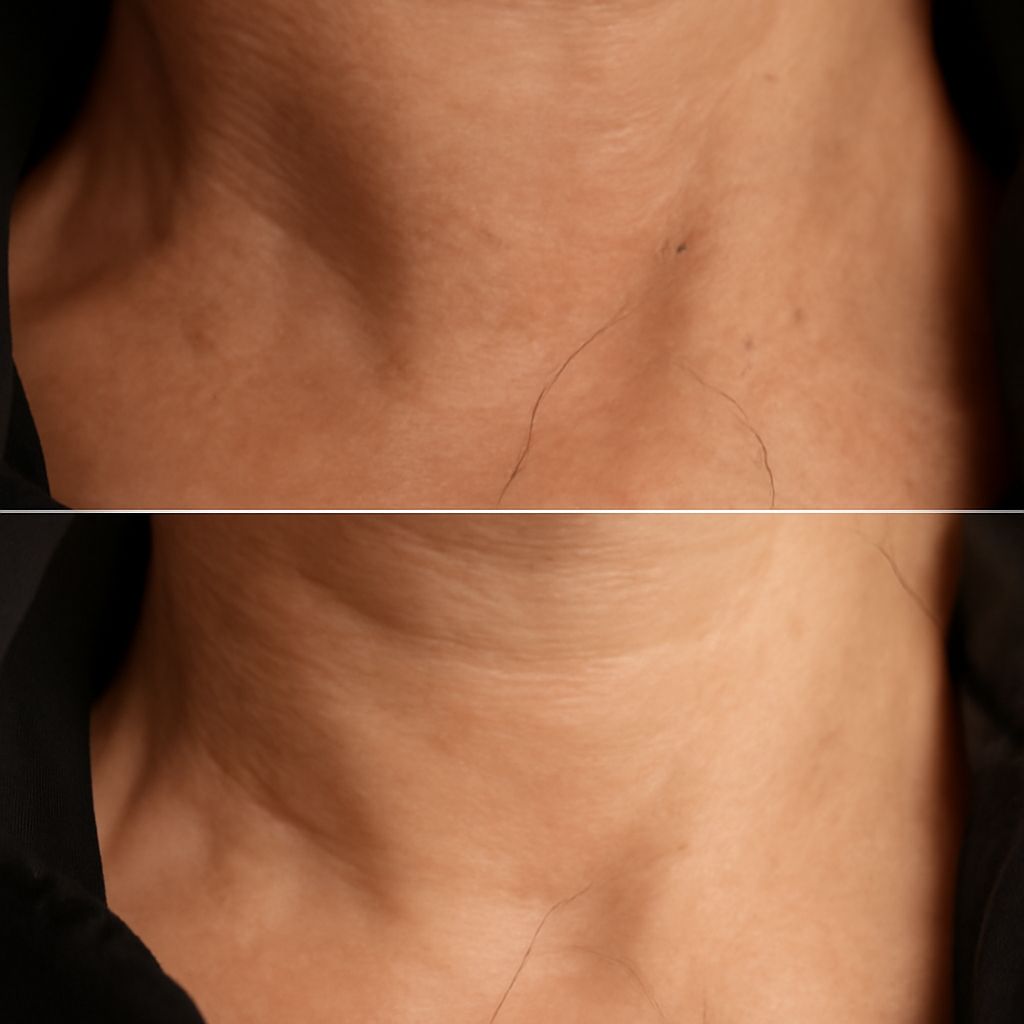
Dealing with skin issues can be frustrating and often affects one’s confidence. Dehydrated skin, a common condition, can exacerbate acne, leaving individuals searching for effective solutions. Meanwhile, circumcision skin bridge can create physical discomfort and psychological distress. Fortunately, these concerns can be addressed with informed care and treatment options.
Understanding the underlying causes of these skin conditions and exploring potential treatments is key to achieving clearer, healthier skin. In this article, we dive into the nature of skin bridges, the impact of dehydrated skin on acne, and the visible improvements achievable through dedicated treatment regimens.
What is a Skin Bridge and How is it Removed?
A skin bridge occurs when skin from the shaft of the penis becomes attached to the glans, typically following circumcision. This condition can result in discomfort and hygiene issues. Professional medical evaluation is often recommended to ascertain the severity of the bridge and determine the best course of action.
Removal options vary depending on the individual’s situation. Minor bridges may be managed with topical treatments, while others require surgical intervention. The procedure is generally straightforward and carried out by a qualified healthcare provider. It’s important to follow post-operative care instructions to ensure proper healing.
How Does Dehydrated Skin Contribute to Acne?
Dehydrated skin lacks water, which can compromise the skin’s barrier function, leading to increased sensitivity. This condition can escalate acne issues as the skin attempts to compensate for the lack of moisture by producing excess oil.
When the skin is dehydrated, the natural balance is disrupted, creating an environment where acne-causing bacteria can thrive. It’s crucial to maintain hydration through appropriate skincare products and adequate water intake to support the skin’s health.
What to Expect: Dehydrated Skin Before and After Treatment
Individuals with dehydrated skin often notice their complexion looking dull, with an increased appearance of fine lines. Before treatment, the skin may feel tight and uncomfortable. However, with consistent care, these symptoms can be significantly reduced.
After implementing a regular skincare routine focused on hydration, many people observe a more vibrant, plump skin texture. Using moisturizers containing humectants like hyaluronic acid can provide immediate improvement. Typically, visible improvements are noticeable within a few weeks, enhancing overall skin appearance.
Understanding Circumcision Skin Bridge and Treatment Options
A circumcision skin bridge forms when the skin inadvertently heals by forming a bridge between the shaft and the glans post-surgery. This can lead to complications such as irritation and difficulty with cleaning.
To address this concern, it is essential to consult with a healthcare provider. Treatment typically involves a minor surgical procedure to release the bridge. In some cases, topical treatments may alleviate symptoms if the bridge is not causing significant issues.
Tips for Managing Dehydrated Acne Prone Skin
Managing dehydrated skin prone to acne involves balancing moisture without clogging pores. Here are several tips to consider:
- Hydration is Key: Incorporate a hydrating serum into your skincare routine. Look for ingredients like glycerin and hyaluronic acid that attract moisture to the skin.
- Gentle Cleansing: Use a mild, non-foaming cleanser to avoid stripping natural oils, which can exacerbate dehydration.
- Moisturize After Cleansing: Apply a lightweight, non-comedogenic moisturizer to lock in hydration without causing breakouts.
- Protect with SPF: Dehydrated skin is more susceptible to damage, so always apply sunscreen during the day.
By incorporating these practices, individuals can improve their skin’s condition and reduce the occurrence of acne, resulting in a clearer complexion.
Conclusion: Achieving Healthier Skin
Achieving healthier skin requires understanding and addressing the underlying issues such as dehydration and skin bridges. By taking informed actions, individuals can improve their skin health and appearance.
Ultimately, a combination of professional guidance and consistent self-care can lead to significant improvements, boosting both confidence and well-being.



Leave a Reply