
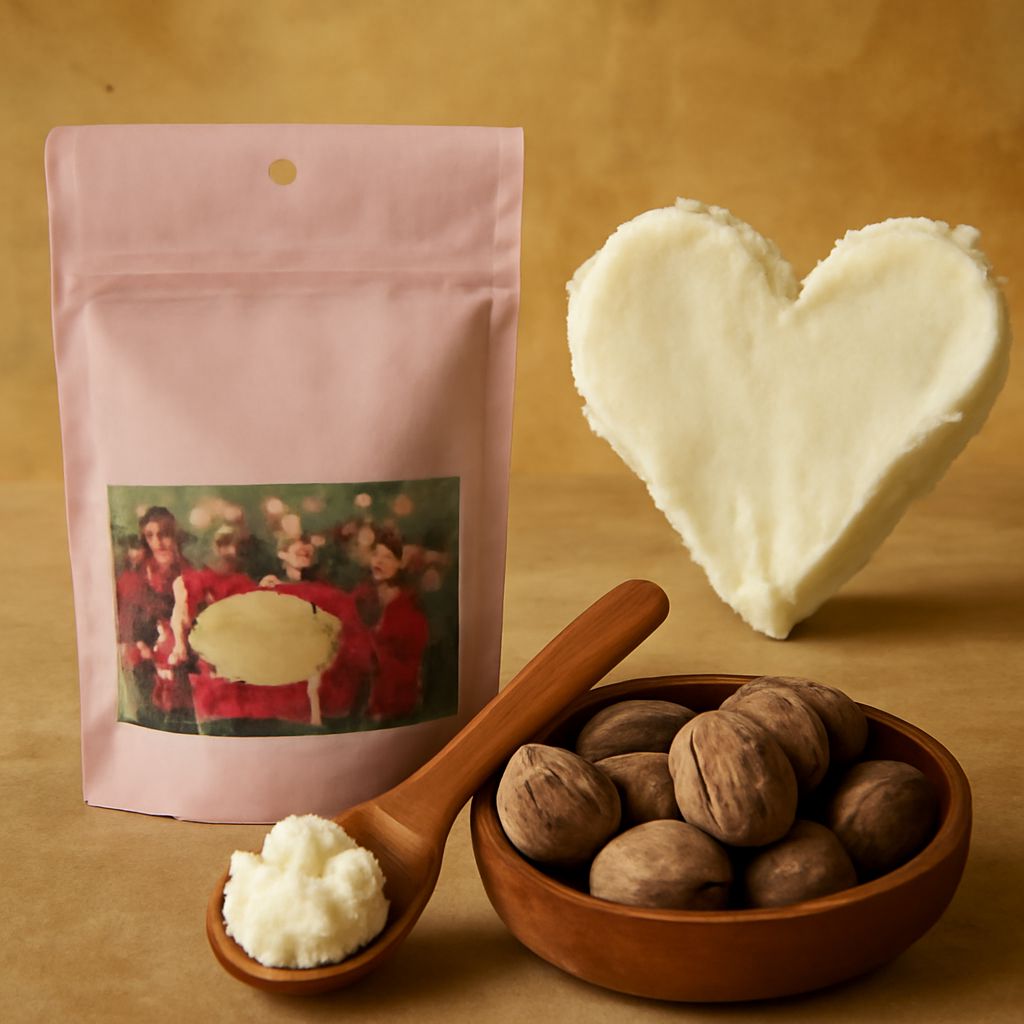
In the realm of natural skincare, shea butter stands out as a versatile powerhouse. Extracted from the nuts of the African shea tree, this nourishing substance has been used for centuries to treat a variety of skin ailments. But what makes shea butter so good for skin, and how can you harness its benefits in your daily routine? This guide explores the many wonders of shea butter, offering insights and recipes to help you achieve healthier, more radiant skin.
What Makes Shea Butter Good for Skin?
Shea butter’s reputation as a skincare staple is well-deserved. Its potency lies in its unique composition, rich in fatty acids and vitamins. The high concentration of vitamins A and E promotes circulation and healthy skin cell growth, making it an effective anti-aging agent. The presence of natural fatty acids contributes to its moisturizing prowess, leading to softer and more supple skin. Additionally, shea butter contains cinnamic acid, which provides anti-inflammatory properties, helping to soothe irritated skin.
How Does Shea Butter Benefit Your Skin?
Shea butter benefits the skin in numerous ways. Its deep moisturizing capabilities make it ideal for combating dryness and flakiness. By forming a protective barrier on the skin’s surface, shea butter locks in moisture, preventing dehydration. Its anti-inflammatory properties make it suitable for reducing redness and swelling associated with conditions like eczema and psoriasis. Furthermore, shea butter’s natural sun protection factor, though minimal, offers extra defense against UV damage, contributing to its role in skincare.
Are There Specific Benefits of Shea Butter for Different Skin Types?
Shea butter is remarkably versatile, offering benefits tailored to various skin types. For dry skin, its rich texture provides intensive hydration, restoring the skin’s natural barrier and alleviating discomfort. Those with oily skin can still enjoy shea butter’s benefits, as it does not clog pores but rather balances sebum production. Sensitive skin types will appreciate its gentle nature, which reduces irritation and soothes inflammation. Even individuals with combination skin can find balance, using shea butter strategically on dry or irritated areas.
How Can You Incorporate Shea Butter into Your Skincare Routine?
Integrating shea butter into your skincare regimen can be seamless and rewarding. Start by using it as a daily moisturizer, applying a small amount to damp skin for optimal absorption. Shea butter can also be used as a nourishing night cream, allowing its reparative properties to work overnight. For an added boost, mix shea butter with essential oils or other natural ingredients to tailor the treatment to your skin’s specific needs. Its versatility extends to lip balm, cuticle cream, and even as a base for homemade face masks.
What Are Some Easy Shea Butter Recipes for Skin?
Creating shea butter recipes for skincare is both simple and satisfying. One popular recipe combines shea butter with coconut oil and a few drops of lavender essential oil for a soothing body lotion. For a facial treatment, mix shea butter with honey and a touch of lemon juice to create a brightening mask. To exfoliate, blend shea butter with sugar and a splash of vanilla extract, crafting a luxurious body scrub that leaves skin silky smooth.
How to Make a Whipped Shea Butter Recipe for Skin
Whipping shea butter creates a light, airy texture that is easy to apply and absorbs quickly into the skin. To make whipped shea butter, start by melting a cup of shea butter and half a cup of coconut oil in a double boiler. Once melted, remove from heat and let it cool slightly. Add a few drops of your favorite essential oils and then whip the mixture with a hand mixer until fluffy. Transfer to a clean jar and enjoy your homemade whipped cream, perfect for keeping skin hydrated and nourished throughout the day.
Safety Recap: When preparing shea butter recipes, ensure all tools are clean to avoid contamination. Consider patch testing on a small skin area if you have sensitive skin to prevent potential reactions.





Leave a Reply