
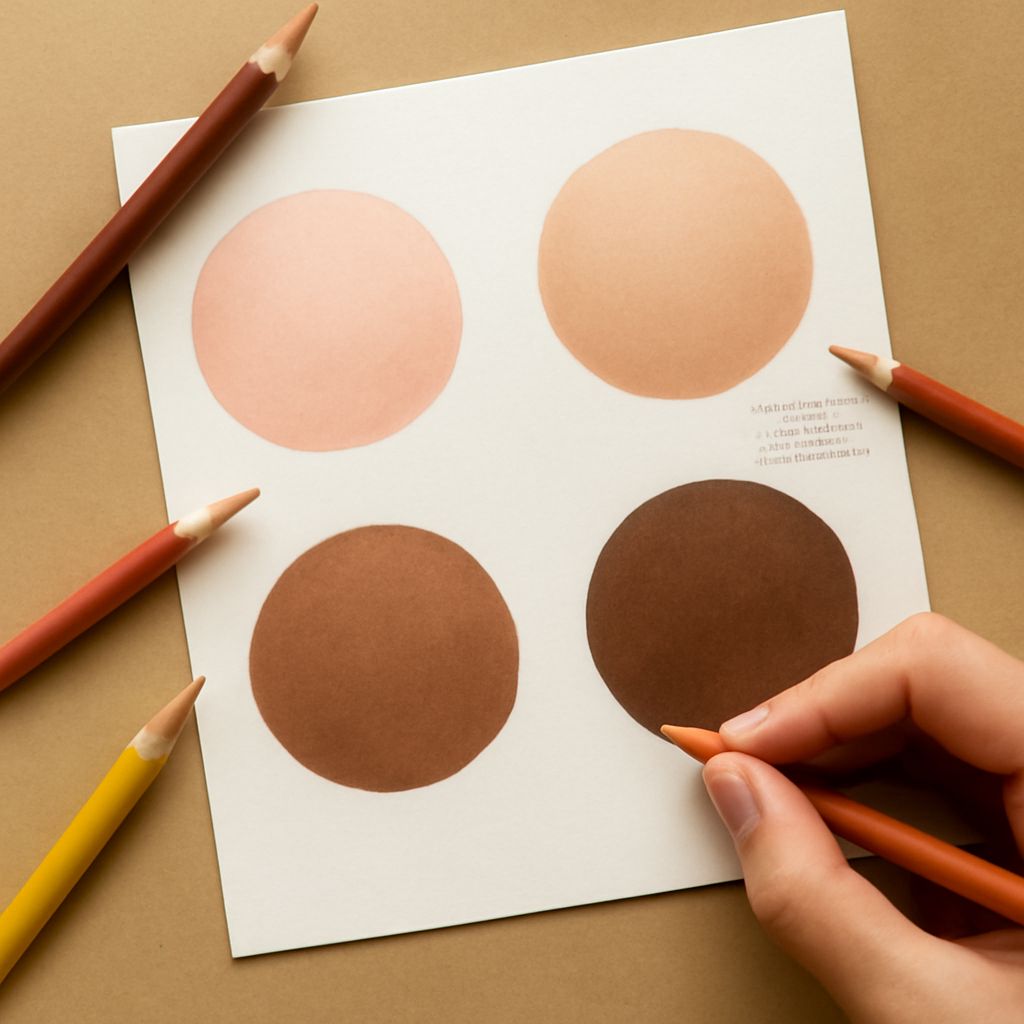
Many people are concerned about how to thicken skin naturally as they age. This concern often arises because thicker skin tends to be more resistant to damage and signs of aging. For individuals interested in improving their skin’s resilience, combining lifestyle changes, dietary adjustments, and topical treatments can be an effective solution. Additionally, for artists looking to refine their craft, understanding how to make skin color with colored pencils can enhance the realism of their artwork.
Why is Thicker Skin Important?
Thicker skin is an integral part of the body’s defense mechanism. It not only offers protection against environmental factors but also reduces the visible signs of aging. As we age, our skin naturally becomes thinner due to the loss of collagen and elastin, leading to increased fragility and the appearance of fine lines and wrinkles. Ensuring that your skin remains thick and healthy can help delay these signs and improve overall resilience.
How to Thicken Skin with Lifestyle Changes
Adopting certain lifestyle changes can significantly impact skin thickness. Regular exercise is crucial, as it promotes better blood circulation, which in turn boosts collagen production. Engaging in activities such as yoga or strength training can be particularly beneficial.
Additionally, ensuring adequate hydration is essential. Drinking plenty of water keeps the skin hydrated from within, contributing to its plumpness and strength. Protecting the skin from excessive sun exposure by using sunscreen can also prevent the breakdown of collagen, thereby maintaining skin thickness.
Dietary Tips for Thicker Skin
A balanced diet plays a pivotal role in maintaining skin health. Consuming foods rich in collagen-boosting nutrients, like vitamin C, zinc, and copper, can enhance the skin’s structural integrity. Citrus fruits, nuts, and leafy greens are excellent sources of these nutrients.
Incorporating omega-3 fatty acids found in fish or flaxseeds into your diet can also aid in keeping the skin elastic and hydrated. Moreover, antioxidants, which are abundant in berries and green tea, help combat oxidative stress, preserving collagen and elastin fibers.
How to Make Skin Thicker with Topical Treatments
Topical treatments can provide significant benefits in making skin thicker. Retinoids, derived from vitamin A, are well-known for their ability to enhance collagen production and improve skin texture. However, they can cause irritation, so it’s crucial to use them under dermatological guidance, especially if you have sensitive skin.
Peptides are another effective topical ingredient that supports skin’s natural repair processes. Regular use of peptide-rich serums or moisturizers can lead to firmer, thicker skin over time. Additionally, hyaluronic acid helps retain moisture, resulting in plumper-looking skin.
How to Make Skin Color with Colored Pencils
For artists, mastering how to make skin color with colored pencils involves understanding color theory and blending techniques. Start by selecting a range of pencils that mirror skin tones, including shades of peach, brown, and pink. Layering these colors gently can create a realistic base.
Using light pressure and circular motions will help blend the colors seamlessly. Artists often find that starting with the lightest shade and gradually adding darker tones enhances depth and realism. Experimentation with different color combinations will yield the best results for creating a natural skin tone.
How to Color Skin with Colored Pencils for a Realistic Effect
Achieving a realistic effect when coloring skin involves not only choosing the right colors but also applying the appropriate techniques. Begin by sketching lightly to outline the skin area. Then, use your chosen base color to fill in the area with light, even strokes.
To enhance realism, add shadows and highlights. Introduce a darker pencil for contours and areas that naturally appear in shadow, such as under the cheekbones or around the neck. Conversely, use a white or cream-colored pencil to add highlights on places where the skin would naturally reflect light. Blending is key; using a blending stump or a soft brush can help create a smooth transition between colors.
Next steps: Whether you’re aiming to thicken your skin naturally or perfect your skin coloring techniques with colored pencils, consistency is key. Regularly incorporate lifestyle changes, dietary habits, and topical treatments into your routine for optimum skin health. For artists, continuous practice and exploration of new techniques will improve your skill in achieving realistic effects. Remember to always prioritize safety, especially when using new skincare products, to avoid irritation or adverse reactions.



Leave a Reply