
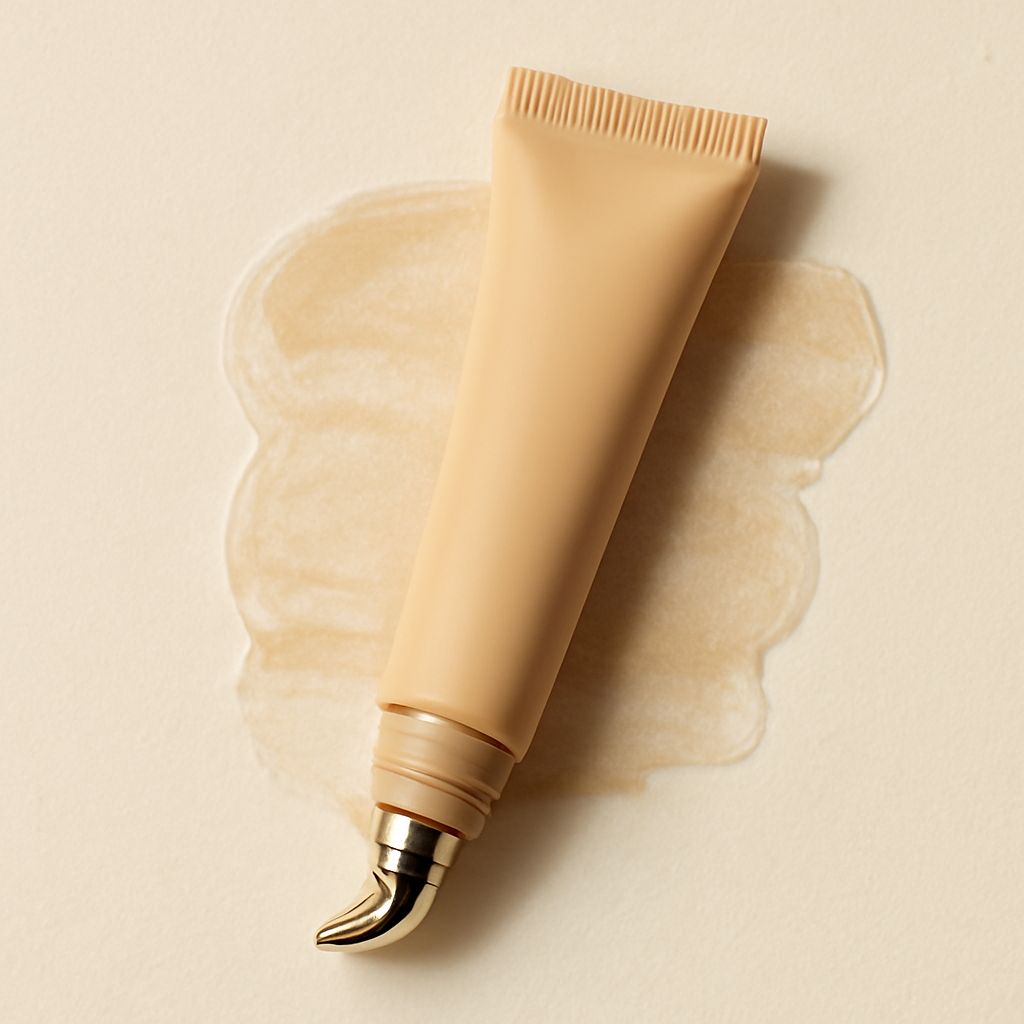
Many people struggle with acne and often wonder if it is contagious. This belief, although widespread, is actually a myth. Acne is not caused by infectious agents, but rather by a combination of factors such as genetics, hormones, and certain lifestyle choices. Understanding these aspects can better equip you in managing acne effectively without the fear of it being contagious.
In our quest for healthy skin, we also hear terms like “dewy skin” and are inundated with various skincare products. This article will explore what it means to have dewy skin, the safety of silicone in skincare products, and even touch on topics like the impact of skin tone on skincare choices. Through these discussions, we aim to dispel myths and provide you with practical tips for achieving and maintaining healthy skin.
Is Acne Contagious or Just a Myth?
One of the most common misconceptions is that acne is contagious. This false belief can lead to unnecessary stress and social anxiety. Acne is primarily caused by excess oil production, clogged pores, bacteria, and inflammation. While bacteria play a role, these are not the contagious kinds. Acne cannot be spread from person to person, making it crucial to focus on effective personal skincare routines rather than distancing from others.
What is Dewy Skin and How to Achieve It?
The term “dewy skin” often circulates in beauty circles, referring to a complexion that looks naturally hydrated, glowing, and fresh. Achieving this look involves maintaining a proper skincare routine that focuses on hydration and the right products. Layering moisturizers, serums, and sunscreen can help create that luminous sheen without looking oily. Using products specifically designed to boost hydration, like those containing hyaluronic acid, can aid in maintaining dewy skin.
What is a Laptop Skin and How Does It Relate to Skin Care?
The concept of a laptop skin might seem unrelated, but parallels exist in the protective, aesthetic, and functional roles both laptop skins and skincare products play. Just as a laptop skin shields your device from scratches and provides a personal touch, skincare products protect the skin’s surface while allowing for individual expression and care. Both serve as preventive measures against external damage, highlighting the importance of protection in different contexts.
Is Silicone Safe for Skin?
Silicone is a common ingredient in many skincare and cosmetic products, known for its ability to create a smooth texture and barrier on the skin. The safety of silicone for skin is often questioned, but research suggests it is generally safe for all skin types. Silicones are non-comedogenic, meaning they do not clog pores, making them suitable for acne-prone skin. However, individuals with sensitive skin should always conduct a patch test when trying new products to ensure they do not experience irritation.
What Color is Asian Skin and Why Does It Matter?
Asian skin can vary greatly in color, ranging from fair to deep brown. Understanding the unique characteristics of Asian skin, such as its higher melanin content and potential for hyperpigmentation, is important for selecting the right skincare products. The color of Asian skin matters because it can influence the choice of skincare and makeup products, ensuring they complement and enhance rather than cause issues like mismatched foundations or irritation.
Practical Tips for Healthy Skin
Maintaining healthy skin involves a combination of good skincare habits and a balanced lifestyle. Here are some practical tips:
- Cleansing: Use a gentle cleanser twice a day to remove dirt, oil, and makeup without stripping the skin.
- Moisturizing: Keep your skin hydrated with a moisturizer suitable for your skin type.
- Sun Protection: Always use sunscreen to protect against harmful UV rays, which can contribute to skin aging and discoloration.
- Balanced Diet: Consuming a balanced diet rich in vitamins and antioxidants can support skin health from the inside out.
- Hydration: Drink plenty of water to maintain the skin’s moisture levels.
Remember, what works for one person may not work for another due to different skin types and conditions. Consulting a dermatologist for personalized advice can be a helpful step if you have specific skin concerns.
Safety Recap: When using new skincare tools or products, especially those containing silicone or for sensitive areas, perform a patch test to avoid adverse reactions. Keep sharp tools out of the reach of children and use them with care to prevent injury.




Leave a Reply