
In the quest for optimal skin health, questions about sunscreen’s endurance, skin healing, and acne treatments often arise. Understanding how long sunscreen lasts on skin is crucial for effective UV protection. Meanwhile, zinc’s effect on acne and the resilience of sperm on skin are topics that intersect with the broader narrative of skin care and protection. From the time it takes to skin a deer to the healing timeline of injuries, each query reflects a unique concern about skin’s adaptability and care.
This article delves into these diverse yet interrelated topics, offering insights and solutions for maintaining healthy skin. By exploring each question, such as how long does sperm live on skin, we aim to provide a well-rounded understanding of skin longevity and treatment efficacy. Let’s explore these subjects to enhance your skin care routine and knowledge.
Understanding Sunscreen Effectiveness
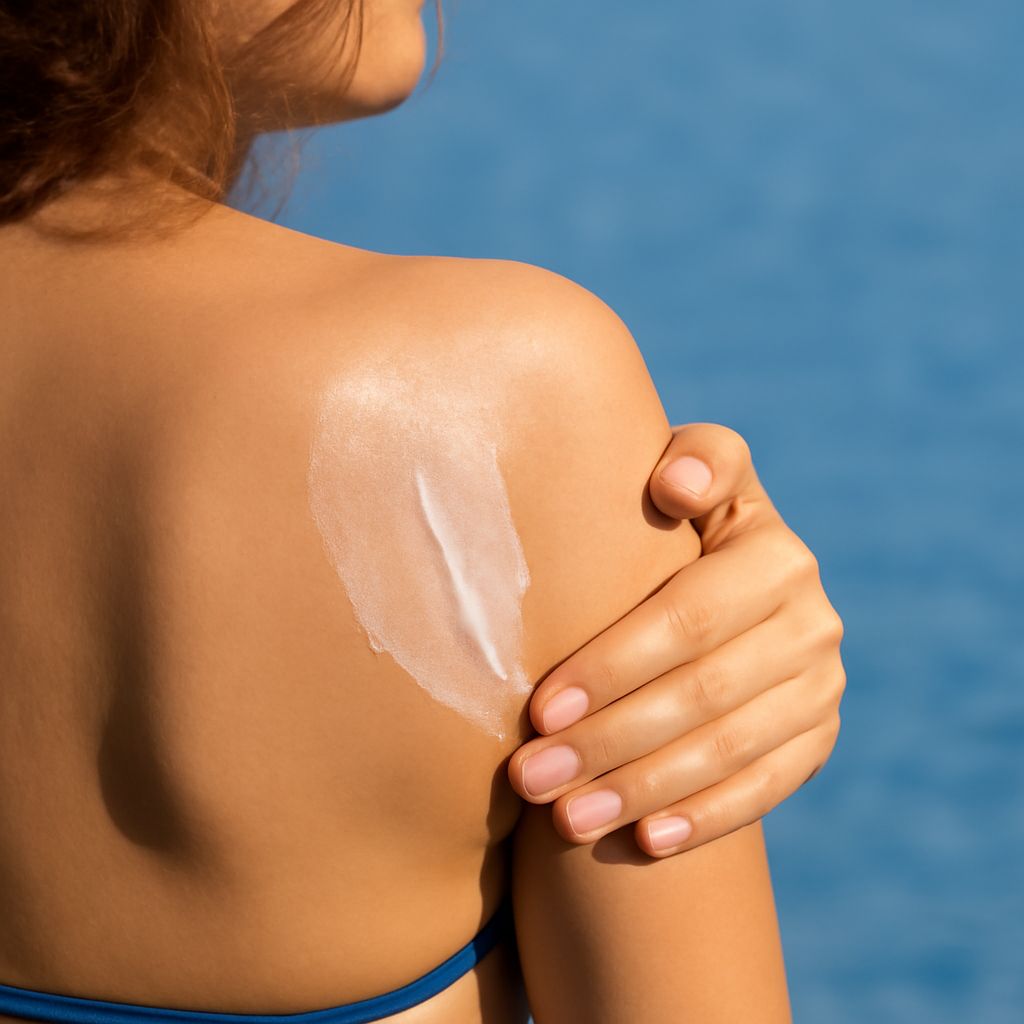
Sunscreen is a vital component of any skin care regimen, designed to protect against harmful UV rays. However, understanding its effectiveness over time is essential. Generally, sunscreen maintains its protective qualities for about two hours. Factors like swimming, sweating, and even towel drying can diminish its effectiveness, necessitating reapplication to ensure continuous protection. As a rule, it’s advisable to reapply every two hours or immediately after swimming or excessive sweating.
The SPF (Sun Protection Factor) rating also plays a role. Higher SPF numbers offer longer protection but still require regular reapplication. Moreover, the type of sunscreen—whether chemical or physical—affects its longevity on the skin. Chemical sunscreens absorb UV radiation, whereas physical sunscreens deflect it. Both types need reapplication to maintain optimal efficacy.
How Long Does Sperm Live on Skin?
When considering the lifespan of sperm on skin, it’s important to note that sperm generally cannot survive long outside the body. On skin, sperm typically dies once the seminal fluid has dried. This is because sperm requires specific conditions—such as warmth and moisture—that skin does not provide. The typical survival time is usually just a few minutes, as sperm cells are highly sensitive to environmental changes.
While the concern over sperm viability on skin is understandable, its short lifespan reduces the likelihood of prolonged presence or viability. For those interested in conception or prevention, understanding sperm’s resilience within the body versus on external surfaces is key.
How Long Does It Take to Skin a Deer?
Skinning a deer involves a detailed process that varies based on skill level and tools. For experienced hunters, the task might take about 20 to 30 minutes, while beginners may require up to an hour. Proper technique is crucial to ensure efficiency and safety. Sharpened tools and knowledge of deer anatomy can significantly reduce the time needed.
When skinning any animal, always exercise caution to avoid injury from sharp tools. Proper sanitation is also essential to prevent the spread of bacteria and ensure that the process supports both safety and efficiency.
How Long for Skin to Heal After an Injury?
Skin healing is a complex process influenced by the injury’s severity, location, and an individual’s overall health. Minor cuts and abrasions may heal within a week, while deeper wounds can take several weeks or even months. The healing process involves several stages, including hemostasis, inflammation, proliferation, and remodeling.
Adequate care, such as cleaning the wound and applying appropriate dressings, can facilitate healing. Additionally, maintaining a balanced diet rich in vitamins and minerals like vitamin C and zinc can further support the skin’s recovery processes.
How Long Does Zinc Take to Clear Acne?
Zinc is a popular supplement for acne treatment due to its anti-inflammatory and immune-boosting properties. The time zinc takes to clear acne can vary greatly among individuals. Some may notice improvements within a few weeks of consistent supplement use, while others might require a couple of months.
Aside from supplements, topical zinc applications can also aid in reducing acne’s severity by targeting inflammation directly on the skin. However, individual responses can vary, so it’s essential to monitor skin changes and consult with a dermatologist if necessary.
Tips for Maintaining Healthy Skin
Maintaining healthy skin requires a comprehensive approach that includes protection, hydration, and nourishment. Regular use of sunscreen is critical to prevent UV damage. A balanced diet rich in antioxidants, vitamins, and minerals such as zinc can support skin health from the inside out.
Furthermore, staying hydrated, getting enough sleep, and managing stress are pivotal for skin health. Consistent skin care routines, tailored to your specific skin type, can enhance both appearance and resilience. Remember, while external products are beneficial, internal health significantly impacts skin vitality.
Safety Recap: When engaging with skin care tools or treatments, prioritize safety by using sharp tools carefully and recognizing skin sensitivities. Always conduct patch tests with new products and consult professionals when needed.




Leave a Reply