
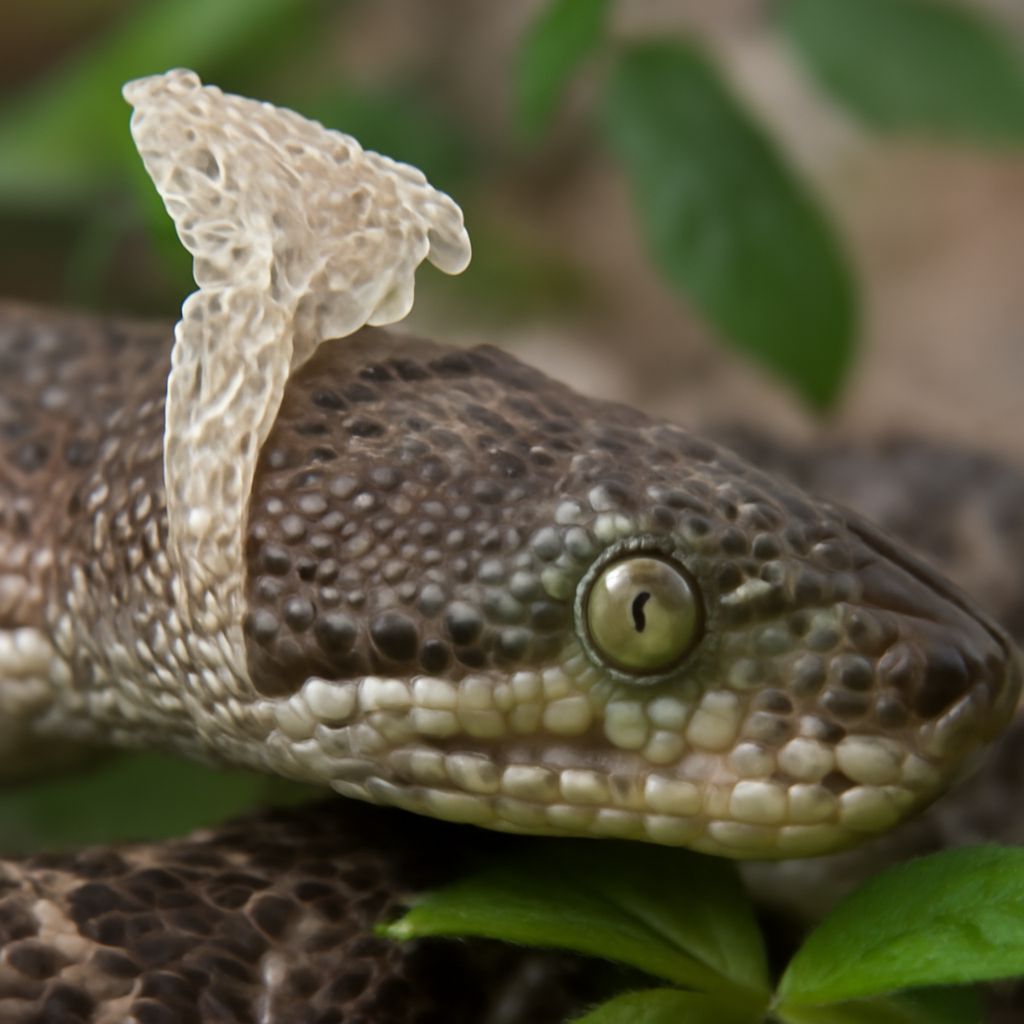
In the intricate web of the animal kingdom, shedding is a fascinating process that many creatures undergo. From arachnids to reptiles, shedding plays a crucial role in growth and renewal. While spiders and alligators may seem worlds apart, they share this common biological phenomenon. Additionally, understanding how antioxidants help skin can also provide insights into maintaining healthy skin. But can bananas cause acne? Let’s explore the myths and facts surrounding these topics.
How Do Spiders Shed Their Skin?
Spiders undergo a process known as molting to shed their skin. This is a vital phase of their growth cycle, allowing them to expand beyond the confines of their exoskeleton. During molting, a spider will typically stop feeding and find a safe location to begin shedding. The old exoskeleton splits open, and the spider carefully emerges, leaving its previous skin behind. This process not only allows spiders to grow but also helps them to regenerate damaged or lost limbs. Molting is a critical aspect of spider development, occurring multiple times throughout their lifespan.
Do Alligators Shed Their Skin Like Spiders?
Contrary to arachnids, alligators shed their skin differently. While spiders molt their entire exoskeleton at once, alligators gradually shed skin scales in pieces. This process is more akin to peeling or flaking rather than a complete molting. As alligators grow, their skin naturally renews itself, with old skin sloughing off to reveal fresh layers underneath. This continuous shedding helps to maintain healthy skin by removing parasites and old cells, contributing to the alligator’s overall well-being.
The Role of Shedding in Rattlesnakes
Much like spiders and alligators, rattlesnakes also shed their skin through a process known as ecdysis. This is essential for their growth and health, allowing them to rid themselves of old, worn skin and parasites. Before shedding, a rattlesnake may appear dull and its eyes may become cloudy, indicating that it’s nearing a molt. The snake will then seek out rough surfaces to assist in the removal of its old skin, which generally peels away in one continuous piece. Shedding not only facilitates growth but also plays a role in the rattlesnake’s ability to adapt its coloration for camouflage.
What Do Antioxidants Do for Skin Health?
Antioxidants are powerful compounds that play a significant role in skin health by combating oxidative stress and reducing damage caused by free radicals. These molecules protect skin cells from damage that can lead to premature aging, inflammation, and various skin conditions. Regular intake of antioxidants, whether through diet or topical applications, can enhance skin appearance by improving texture and elasticity. Vitamins C and E, as well as other antioxidants, are commonly found in skincare products, helping to promote a youthful glow and protect against environmental damage.
Can Bananas Cause Acne? Exploring the Myths
The belief that bananas cause acne is a common myth without substantial scientific backing. Bananas are rich in vitamins and minerals, including vitamin C and potassium, which are beneficial for overall health, including skin. However, some argue that their high glycemic index could potentially exacerbate acne symptoms in predisposed individuals. While there is no direct evidence linking bananas to acne development, moderation is key. Maintaining a balanced diet with a variety of fruits and vegetables is essential for optimal skin health.
Pro Tips Recap: Shedding is a natural and essential process for many creatures, promoting growth and health. For effective skincare, incorporate antioxidants into your routine to protect against damage and aging. While bananas are nutritious, be mindful of their consumption if you’re concerned about acne. Always prioritize a balanced diet and consult with a dermatologist for personalized skin advice.



Leave a Reply