
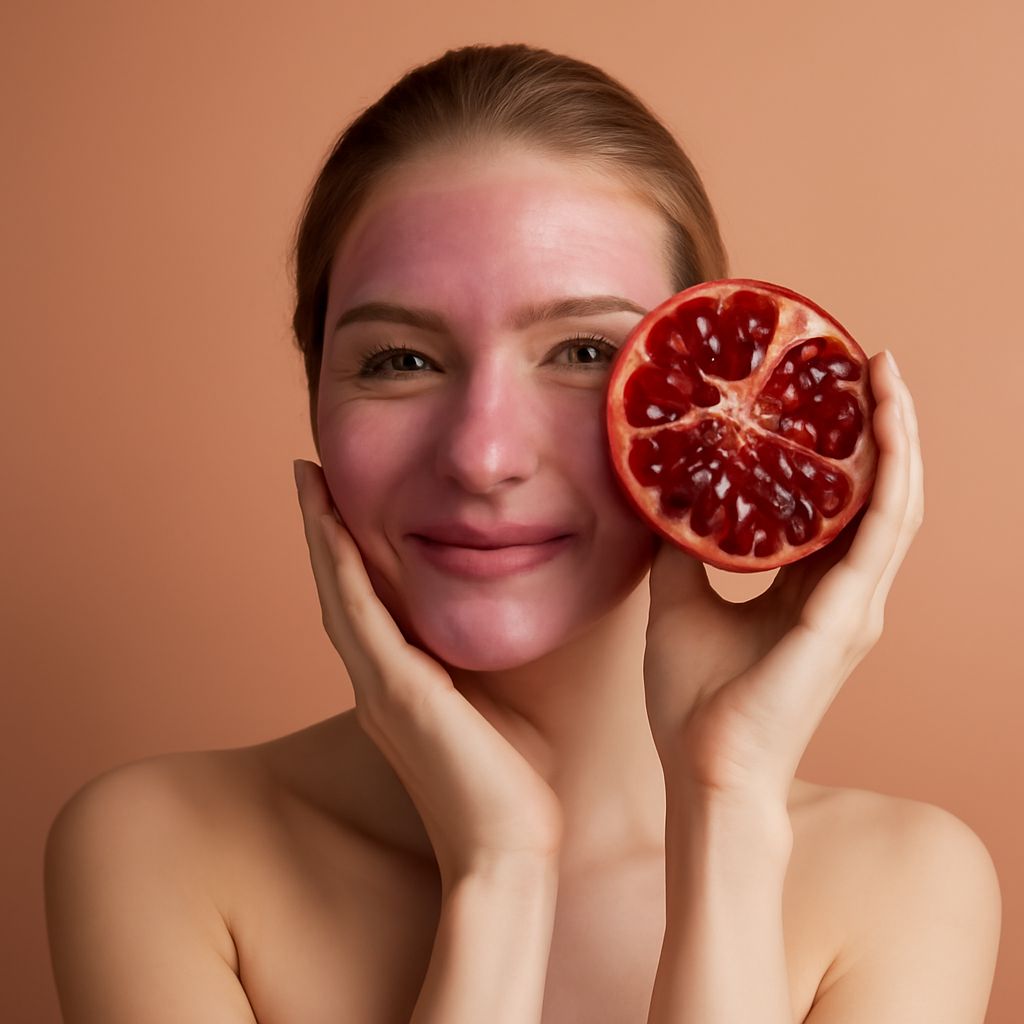
Many individuals search for natural solutions to achieve radiant and healthy skin. While the market is flooded with synthetic products, nature provides us with powerful resources like pomegranates and L-Lysine, which are beneficial for skin health. By understanding the advantages of using pomegranate juice and lysine for your skin, one can make informed decisions that enhance their natural glow while avoiding harmful chemicals.
Pomegranates are revered not only for their delicious taste but also for their rejuvenating effects on the skin. Complementing this, L-Lysine, an essential amino acid, plays a crucial role in maintaining skin vitality. This article will explore how these natural elements can transform your skincare routine, highlighting their unique properties and benefits.
Why Pomegranates are Good for Your Skin
Pomegranates are packed with antioxidants that are incredibly beneficial for your skin. These antioxidants help combat free radicals, which cause damage and premature aging. The high vitamin C content in pomegranates aids in the production of collagen, a protein essential for firm, youthful skin.
Furthermore, pomegranate juice is highly hydrating, making it an excellent addition to your skincare regimen. The juice’s natural compounds improve skin elasticity and promote a radiant complexion. Regular use of pomegranate-based products can lead to noticeable improvements in skin texture and appearance.
How L-Lysine Benefits the Skin
L-Lysine is an essential amino acid that the body cannot produce on its own, necessitating intake through diet or supplements. L-Lysine benefits for skin include its role in collagen synthesis, which is crucial for maintaining the skin’s structure and elasticity. This amino acid also helps in the repair of damaged skin tissues, promoting faster healing.
Additionally, L-Lysine has been observed to have antiviral properties, which may help in managing cold sores and other skin infections. By including L-Lysine in your diet, you support your skin’s natural defense mechanisms and enhance its overall health.
The Role of Lysine in Skin Health
Lysine for skin health extends beyond just its structural benefits. This amino acid helps in the absorption of calcium, vital for both skin and bone health. It also plays a role in the production of enzymes and hormones that support healthy skin function.
Moreover, lysine benefits for skin are augmented by its ability to reduce stress-induced breakouts. By stabilizing the skin’s barrier function, lysine aids in retaining moisture and protecting against external aggressors, ensuring your skin remains smooth and supple.
Comparing L-Lysine and Pomegranate Benefits for Skin
While both pomegranate and L-Lysine offer significant advantages for skin health, their mechanisms differ. Pomegranate benefits for skin largely stem from its antioxidant properties and ability to promote collagen production naturally through its vitamin and mineral content. In contrast, L-Lysine provides structural support through collagen synthesis and enhances the skin’s healing processes.
Combining these two natural ingredients can offer a comprehensive approach to skin care, targeting both the surface appearance and underlying health of the skin. This synergy can result in not only healthier-looking skin but also a stronger, more resilient complexion.
How to Incorporate Pomegranate Juice for Skin
Incorporating pomegranate juice into your skincare routine can be done in several simple yet effective ways. Drinking pomegranate juice regularly can provide internal benefits, promoting overall skin health from within. Additionally, you can apply pomegranate juice topically for a refreshing and hydrating facial treatment.
- Add pomegranate juice to your morning smoothie for an antioxidant boost.
- Use pomegranate-infused skincare products for targeted benefits.
- Create a homemade pomegranate face mask by mixing the juice with honey for additional moisturizing properties.
Practical Tips for Using L-Lysine for Skin
Integrating L-Lysine into your skincare regimen can be achieved through dietary adjustments and topical applications. Consuming foods rich in lysine, such as eggs, fish, and legumes, can naturally increase your intake of this essential amino acid. Lysine supplements are also widely available for those needing an extra boost.
- Consider taking L-Lysine supplements after consulting with a healthcare provider, especially if you have dietary restrictions.
- Look for skincare products that contain lysine as an active ingredient, enhancing their effectiveness in promoting skin health.
- Be mindful of possible skin sensitivities; perform a patch test when trying new lysine-based products to avoid adverse reactions.
Key takeaways: Pomegranates and L-Lysine are powerful allies in achieving radiant, healthy skin. By leveraging the antioxidant properties of pomegranate and the structural benefits of L-Lysine, you can enhance your skincare routine naturally. Always consider individual skin sensitivities when incorporating new ingredients.





Leave a Reply