
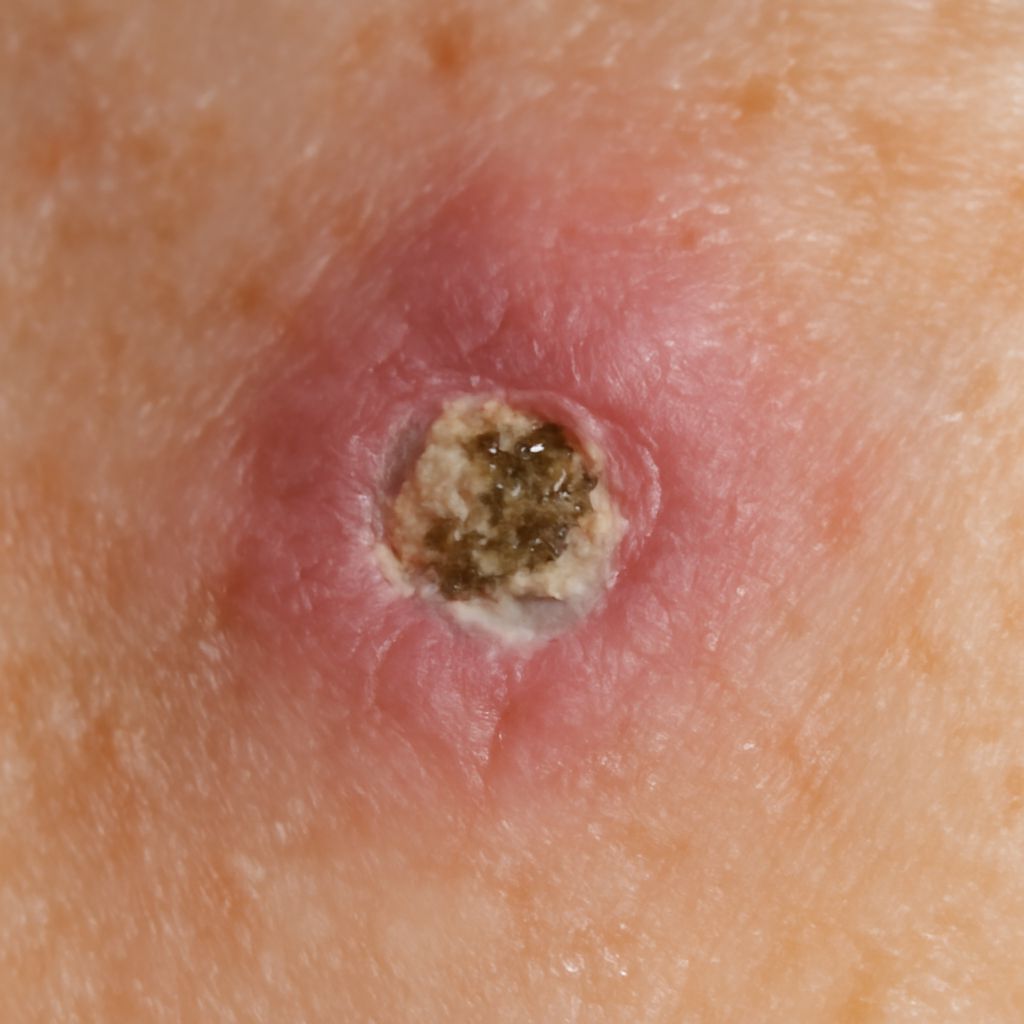
Skin health is an integral part of overall well-being, yet it’s often overlooked until problems arise. One of these problems is the emergence of precancerous skin spots. Identifying these skin lesions early is crucial for effective management and prevention of potential progression to skin cancer. Fortunately, medical science provides solutions not only for identifying these spots through ICD 10 codes but also for treating and managing them strategically. This article explores the nuances of precancerous skin cells and provides insights on their treatment and prevention.
What Are Precancerous Skin Spots?
Precancerous skin spots, often referred to as actinic keratosis, are areas of skin that have undergone changes that might lead to cancer if left untreated. These lesions typically appear as rough, scaly patches on the skin exposed to the sun. While not all skin lesions are dangerous, it is essential to monitor any unusual markings on the skin to determine if they are precancerous.
How Can You Identify a Precancerous Skin Lesion?
Identifying skin lesions that might be precancerous involves observing changes in the skin’s appearance and texture. Look for spots that are red or brown, rough to the touch, and persist over time. Regular skin checks can help detect these lesions early. Additionally, consulting a dermatologist can offer professional assessment and advice on whether a lesion requires treatment.
Why Is It Important to Address Precancerous Skin Cells Early?
Addressing precancerous skin cells early is crucial because it reduces the risk of them developing into skin cancer. Early intervention can prevent the progression of actinic keratosis to squamous cell carcinoma, a common form of skin cancer. Furthermore, timely treatment of precancerous spots can minimize the need for more invasive procedures later on, promoting better skin health and overall wellness.
What Is the ICD 10 Code for a Skin Lesion?
The ICD 10 code for a precancerous skin lesion is an essential tool in the healthcare system. For actinic keratosis, the ICD 10 code is L57.0. This coding helps healthcare providers document and track the treatment of skin lesions systematically. Using the correct code ensures that patients receive appropriate care and facilitates communication between healthcare professionals about the patient’s condition.
How Are Precancerous Skin Lesions Treated?
Treatment for precancerous skin lesions varies depending on the lesion’s size, location, and severity. Common treatments include cryotherapy, which involves freezing the lesion with liquid nitrogen, and topical medications that can help remove abnormal skin cells. In some cases, laser therapy or surgical removal might be necessary. Consulting with a healthcare provider specializing in dermatology is crucial to determine the best treatment approach for individual cases.
Can Precancerous Skin Conditions Be Prevented?
Preventing precancerous skin conditions involves adopting protective measures against sun exposure. Regular use of sunscreen, wearing protective clothing, and avoiding peak sun hours can significantly reduce the risk of developing actinic keratosis. Furthermore, routine skin checks and healthy lifestyle choices contribute to maintaining skin health and preventing lesions.
Pro Tips Recap: To manage precancerous skin spots effectively, prioritize early identification and intervention. Regular skin checks and professional consultations are key. Understand and utilize the correct ICD 10 codes for skin lesions to ensure comprehensive care. Treatment options vary, so seek advice tailored to your specific needs. Prevention is possible with sun protection and healthy habits. Always consult a dermatologist for skin concerns—especially when dealing with potential precancerous conditions, and exercise caution when using sharp tools or products that might affect skin sensitivity.



Leave a Reply