
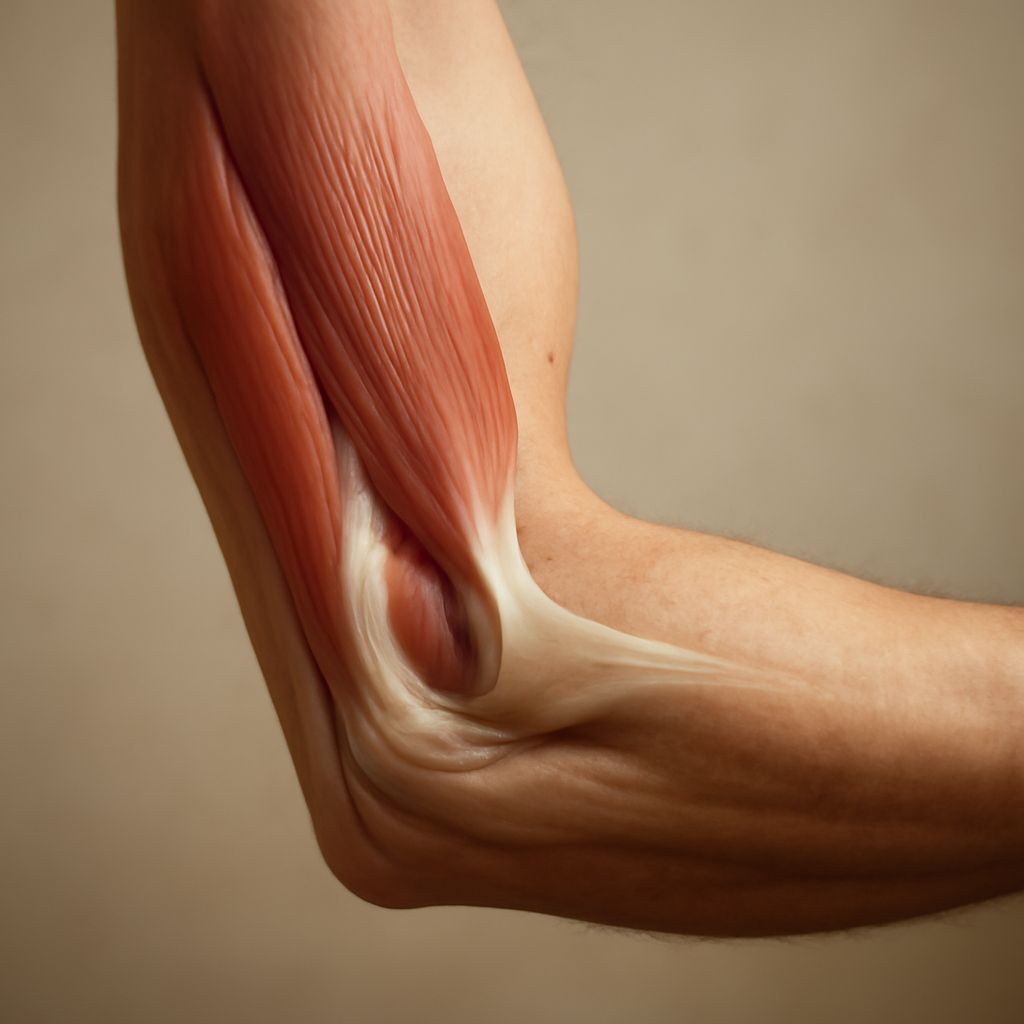
When we think about skincare, we often focus on the face, hands, or feet, neglecting the unique characteristics of our elbow skin. This fascinating area, sometimes questioned as “what is elbow skin called,” is medically referred to as the “olecranal skin.” Despite its seemingly inconspicuous role, olecranal skin has distinct properties that make it worth our attention. In this article, we’ll delve into the intricacies of this unique type of skin, why it deserves your care, and how you can best maintain it.
Understanding why you should love the skin you’re in is not just about aesthetics; it’s about appreciating the incredible functions and resilience of your skin. The skin on your elbows, in particular, reflects how dynamic and adaptable our bodies are. Let’s explore how the skin on your elbow differs from other skin areas and how you can nurture it to stay healthy and supple.
What is the Skin on Your Elbow Called?
The skin on your elbow is known as the “olecranal skin.” This term might not be commonly used in everyday conversation, but it highlights the anatomical uniqueness of the area. Elbow skin, or olecranal skin, acts as a flexible covering that protects the joint underneath while allowing for a wide range of motion. Its elasticity is crucial in preventing injury and accommodating the constant bending and stretching that elbows undergo.
Why Should You Love the Skin You’re In?
Taking time to appreciate your skin, including the often overlooked olecranal skin, encourages a holistic view of health and wellness. Loving the skin you’re in means acknowledging its role as a barrier against environmental damage, a regulator of temperature, and a sensory interface. It is a testament to how our bodies can adapt gracefully to the demands of daily life.
The elbows, in particular, require special attention because they’re prone to dryness and roughness due to frequent activity and exposure. Embracing the natural state of your skin, including its imperfections, fosters a positive self-image and encourages better self-care practices.
How Does Elbow Skin Differ from Other Skin?
Elbow skin is distinct from other parts of the body due to its thickness and resilience. This area contains more collagen and elastin fibers, contributing to its flexibility and strength. Unlike the softer, more delicate skin on your face, olecranal skin is tougher to withstand pressure and friction from bending and resting on hard surfaces.
Moreover, the sebaceous glands, which produce natural oils that keep the skin hydrated, are fewer in number around the elbows. This can lead to dryness and scaling if not properly cared for. Thus, understanding these differences is pivotal for targeted skincare routines that can effectively maintain the health of your elbow skin.
How Can You Take Care of the Skin on Your Elbow?
Caring for your elbow skin involves a combination of hydration, exfoliation, and protection. Start by incorporating a routine of regular moisturizing. Choose thick, emollient creams or ointments that can penetrate the dense skin and provide long-lasting hydration. Ingredients such as shea butter, glycerin, and hyaluronic acid are particularly beneficial.
Exfoliation is another key aspect. Gently exfoliating the elbows once or twice a week helps remove dead skin cells and smoothens the texture. Be cautious to use scrubs that are not too abrasive to avoid irritation.
Lastly, protection from the elements is essential. Wearing long sleeves in harsh weather conditions or applying sunscreen can prevent environmental damage. Just as importantly, remember that the skin is sensitive to contact with harsh chemicals found in cleaning products. Using protective gloves can mitigate this risk.
In conclusion, taking care of your skin, including the less visible olecranal skin, is about more than just appearance; it’s about maintaining the body’s first line of defense. By embracing and nurturing the skin you’re in, you contribute to your overall health and well-being.
Safety Recap: When caring for your elbows, remember to choose non-abrasive exfoliants and moisturizers to avoid irritation. Protect your skin from harsh weather and chemicals for lasting health. Always consult a dermatologist if you notice any unusual changes in your skin condition.




Leave a Reply