
In the quest for clear skin, many have turned to traditional and modern remedies, hoping to find a reliable solution to acne. One ancient practice, oil pulling, has resurfaced with claims of alleviating acne symptoms. Meanwhile, contemporary favorites like BHA treatments and oils such as rosehip and borage offer promising benefits for acne-prone skin. But with conflicting opinions on mineral oil’s role, it’s essential to navigate these options carefully.
This article explores the effectiveness of oil pulling for acne, the benefits of BHA, and the potential of rosehip, borage, and mineral oils in managing acne. By understanding these remedies, you can make informed decisions for healthier skin.
How Does Oil Pulling Help with Acne?
Oil pulling, a traditional Ayurvedic practice, involves swishing oil in the mouth to detoxify the body. The theory is that it helps remove toxins, potentially lessening systemic inflammation that may contribute to acne. The process typically uses oils like coconut or sesame, which have antimicrobial properties, possibly reducing bacteria linked to acne.
While limited scientific evidence supports its direct impact on acne, many anecdotal reports suggest improvements in skin clarity. As part of a holistic approach, oil pulling can complement other treatments to enhance skin health.
What is BHA and How Does It Target Acne?
Beta-Hydroxy Acid (BHA), most commonly known as salicylic acid, is a renowned ingredient in acne treatment. Unlike other exfoliants, BHA penetrates deeply into the pores, breaking down oil and debris, which is essential for acne-prone skin.
BHA offers anti-inflammatory and antibacterial benefits, reducing redness and preventing future breakouts. Its ability to exfoliate within the pores makes it particularly effective for blackheads and whiteheads, providing a clear complexion over time when used consistently.
Can Rosehip Oil Fade Acne Scars Effectively?
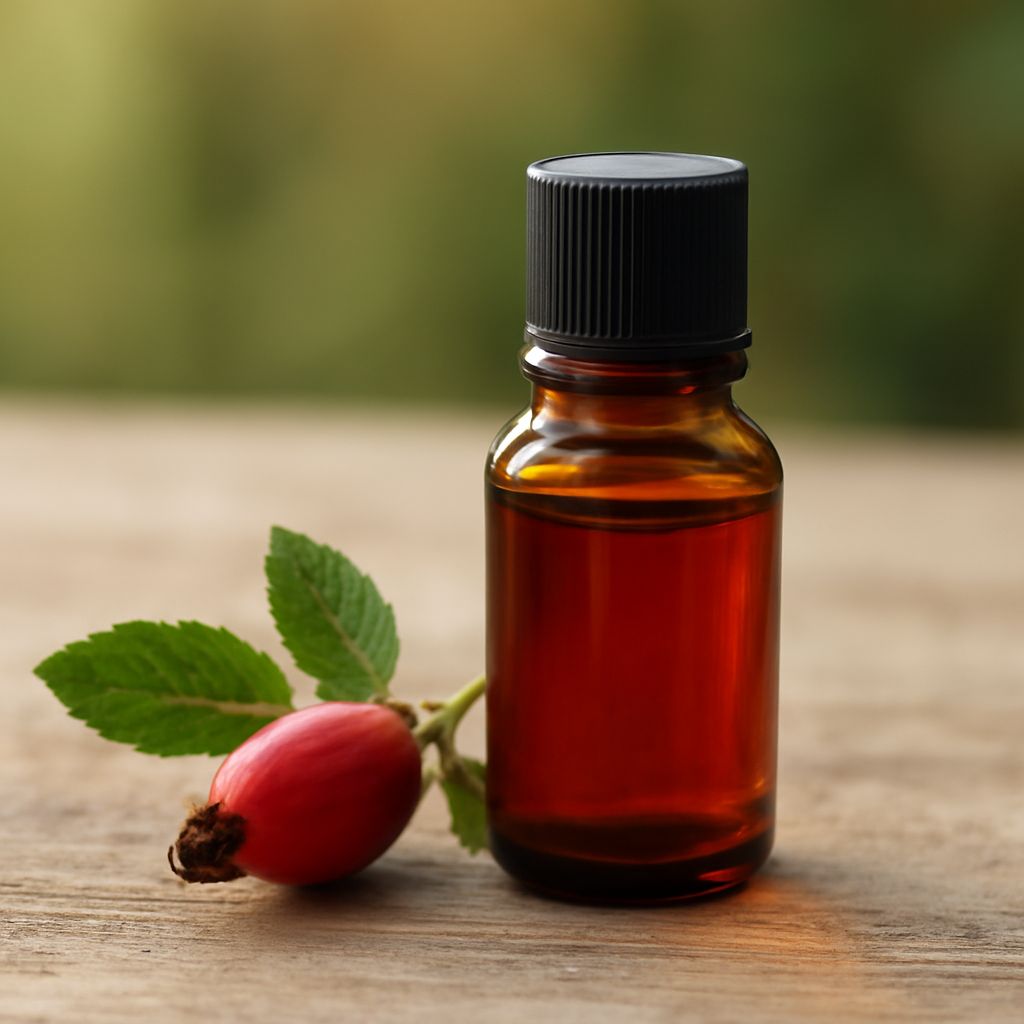
Rosehip oil, derived from the seeds of the wild rose bush, is celebrated for its skin-regenerative properties. Rich in essential fatty acids and vitamins A and C, it supports skin repair and regeneration, making it a popular choice for fading acne scars.
Regular application of rosehip oil can improve skin texture and tone, reducing hyperpigmentation and scarring associated with acne. Its anti-inflammatory properties also help calm active breakouts, promoting an even skin tone. While results can vary, many users report significant improvements in scar visibility.
Why Borage Oil is a Game Changer for Acne-Prone Skin
Borage oil, extracted from the seeds of the borage plant, is a powerful addition to acne care due to its high concentration of gamma-linolenic acid (GLA). This omega-6 fatty acid is known for its anti-inflammatory properties, which can soothe irritated, acne-prone skin.
Incorporating borage oil into your skincare routine can help balance sebum production, reduce inflammation, and promote healing. Its light texture makes it suitable for daily use, particularly beneficial for those with sensitive skin that reacts to harsher treatments.
Is Mineral Oil Good or Bad for Acne?
The debate around mineral oil in skincare is ongoing. Mineral oil is a byproduct of petroleum, often highlighted for its ability to lock in moisture. However, its occlusive nature can trap dirt and bacteria, potentially aggravating acne for some individuals.
While refined mineral oil is non-comedogenic and generally safe, it may not suit everyone, particularly those with oily or acne-prone skin. It’s crucial to patch-test and observe how your skin reacts to determine if mineral oil is beneficial or detrimental to your specific skin type.
Comparing Natural Oils: Which is Best for Acne Treatment?
When choosing natural oils for acne treatment, it’s essential to consider skin type and specific concerns. Rosehip oil is ideal for scar fading, while borage oil excels in reducing inflammation and balancing sebum. Meanwhile, coconut oil, often used in oil pulling, has antibacterial properties but can be comedogenic, potentially clogging pores.
For those uncertain about mineral oil, lightweight alternatives like jojoba or grapeseed oil offer non-comedogenic hydration. Ultimately, the best oil will depend on individual skin needs and responses, highlighting the importance of experimentation and patience in skincare.
Safety Recap: When incorporating any oil-based treatment, conduct a patch test to ensure skin compatibility. Those using sharp tools or products like BHA should be cautious and consult with a dermatologist if irritation occurs. Always prioritize skin sensitivity and adapt routines as needed to maintain healthy, clear skin.




Leave a Reply