
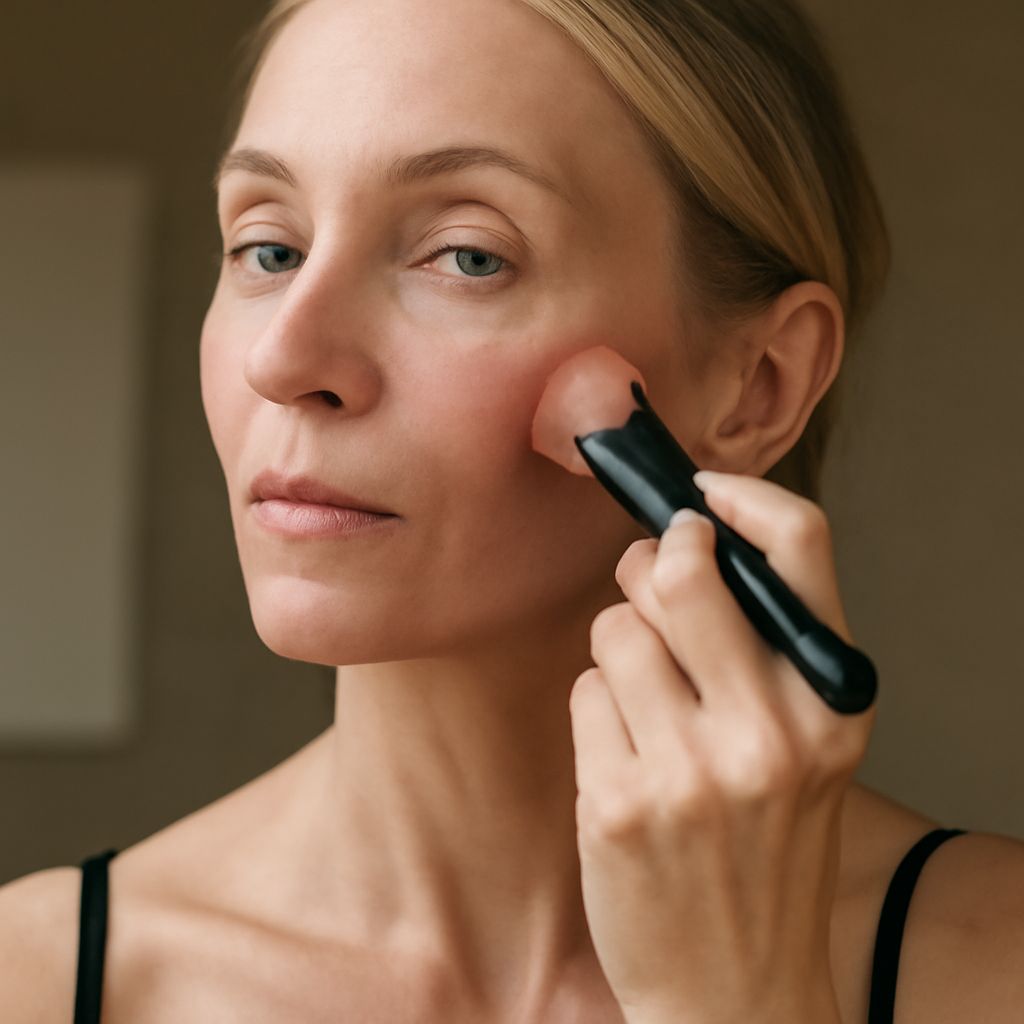
Acne can be a frustrating and persistent skin condition that affects individuals of all ages. For some, like social media personality Supreme Patty, it becomes a visible and often criticized part of their public persona. Similarly, the renowned actress Cameron Diaz battled with acne, bringing attention to its widespread impact. While these figures highlight the struggle with acne, they also underscore the importance of finding effective solutions. Understanding the underlying causes, such as low progesterone levels, and exploring treatments like calcium D glucarate or avoiding ingredients like isopropyl palmitate, might offer relief for many.
What is Supreme Patty Acne?
Supreme Patty, known for his daring and often extreme social media antics, has openly shared his journey with acne. His condition, dubbed “Supreme Patty acne” by fans, is characterized by the typical symptoms of acne vulgaris: inflamed pimples, blackheads, and occasional cysts. While genetics and lifestyle choices play significant roles, his transparency has shed light on the emotional and social challenges associated with severe acne. It highlights a universal struggle faced by many, affirming that even those in the public eye are not immune to this common skin condition.
How Cameron Diaz Dealt with Acne Issues
Cameron Diaz, despite her glamorous Hollywood image, has candidly discussed her own battles with acne. In her book, “The Body Book,” Diaz reveals how poor dietary choices and stress contributed to her skin issues. By switching to a healthier diet rich in vegetables, whole grains, and lean proteins, she noticed a marked improvement in her skin’s clarity. Her story is a testament to the power of internal factors such as diet and stress management in combating acne, encouraging others to look beyond topical treatments alone.
Is Low Progesterone a Cause of Acne?
Hormones, particularly progesterone, play a crucial role in skin health. Low progesterone levels can lead to hormonal imbalances that exacerbate acne symptoms, particularly in women. This imbalance often leads to an increase in androgens, which stimulate the skin’s oil glands, resulting in clogged pores and acne flare-ups. For those suspecting hormone-related acne, consulting with a healthcare provider for hormone testing might be beneficial. Balancing hormones through lifestyle changes or medical interventions could prove effective in managing acne symptoms.
Can Calcium D Glucarate Help with Acne?
Calcium D glucarate is a supplement touted for its potential detoxification benefits, possibly aiding those with acne. It works by supporting the body’s natural detox processes, which can help balance hormone levels and reduce estrogen dominance—a known trigger for acne. While not a panacea, incorporating calcium D glucarate into one’s regimen might be beneficial for those with hormone-related acne issues. However, it is essential to consult a healthcare professional before starting any new supplement to ensure it is appropriate for your specific needs.
The Impact of Isopropyl Palmitate on Acne
Isopropyl palmitate is an ingredient commonly found in cosmetic and skincare products. While it offers moisturizing benefits, it can be comedogenic, meaning it may clog pores and exacerbate acne for some individuals. Those with acne-prone skin should be cautious and check product labels to avoid potential irritants. Opting for non-comedogenic products may help minimize acne flare-ups and improve overall skin health. Conducting a patch test before fully incorporating a new product into your routine is a prudent practice.
Natural Remedies and Lifestyle Changes for Acne
In addition to topical treatments and supplements, natural remedies and lifestyle changes can play a significant role in managing acne. Regular exercise helps reduce stress and improve circulation, promoting healthier skin. Adequate hydration and a balanced diet rich in antioxidants can support overall skin health and reduce inflammation. Additionally, incorporating gentle skincare practices, such as using non-comedogenic cleansers and avoiding harsh scrubs, can prevent further irritation. By adopting these holistic approaches, individuals may find a reduction in acne symptoms and an improvement in skin appearance.
Bottom line: Acne management often requires a multi-faceted approach that considers both internal and external factors. By understanding the potential causes, such as low progesterone and the impact of certain skincare ingredients like isopropyl palmitate, individuals can make informed choices. Exploring dietary supplements like calcium D glucarate and embracing lifestyle changes may provide significant improvements, offering hope to those seeking relief from persistent acne.



Leave a Reply