
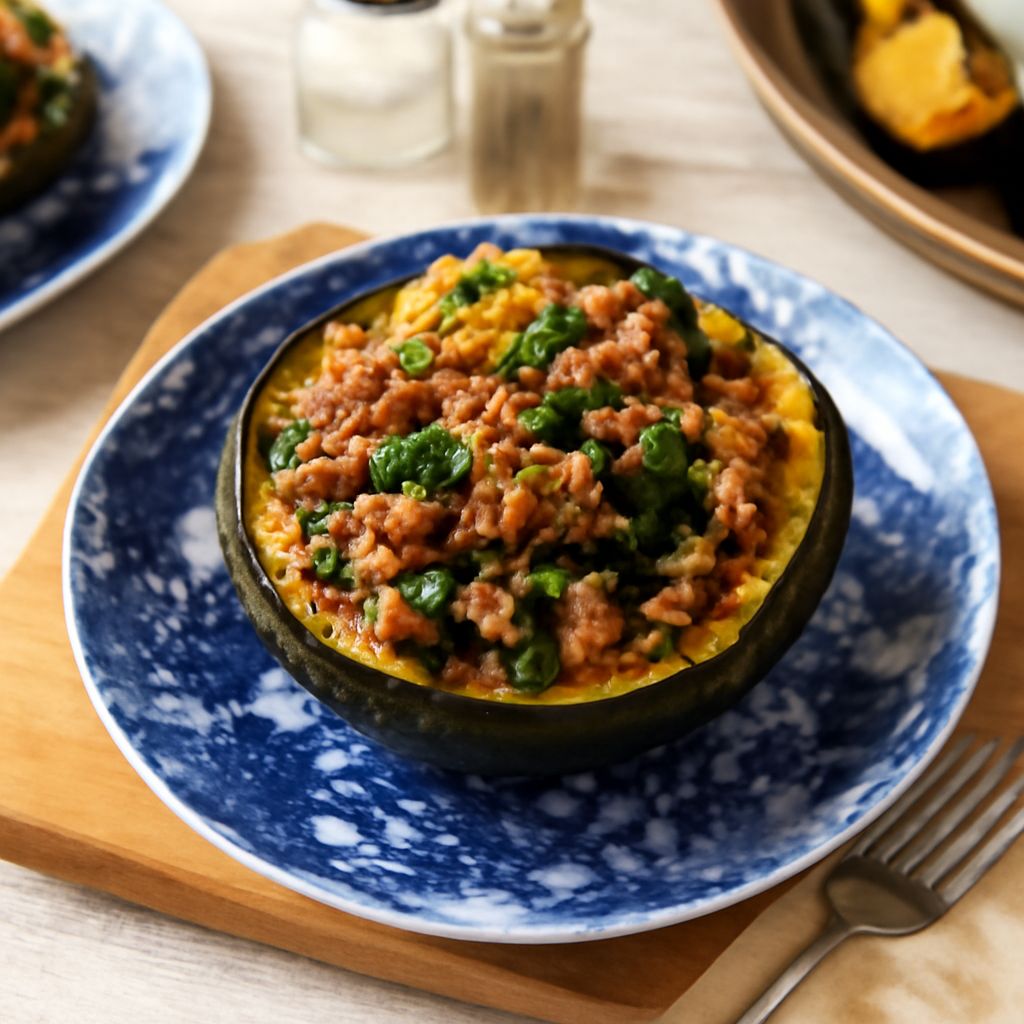
In the world of culinary exploration, understanding which parts of a vegetable are edible can open up new avenues for taste and nutrition. Many people ponder over the question, “Can you eat acorn squash skin?” or wonder about the edibility of other vegetable skins such as eggplant and pumpkin. The solution to this query not only broadens one’s cooking repertoire but also taps into the health benefits hidden within these often-discarded parts.
While some vegetable skins are tough and unappealing, others can be surprisingly palatable and rich in nutrients. This article will guide you through the edibility of acorn squash, eggplant, and pumpkin skins, as well as offer tips for making the most of these nutritious outer layers.
Is Acorn Squash Skin Edible?
The acorn squash is a staple in many kitchens due to its sweet flesh and versatility in cooking. But what about its skin? The skin of an acorn squash is indeed edible, though its texture may not appeal to everyone. When cooked properly, the skin becomes tender enough to enjoy along with the squash’s flesh.
One important consideration is the freshness of the squash. Younger acorn squashes tend to have thinner, more palatable skins, while older ones may develop a tougher exterior. Therefore, selecting a fresh squash is essential if you plan to eat the skin.
Can You Eat Eggplant Skin Safely?
Eggplants boast a vibrant, glossy skin that can vary in thickness depending on the variety. The good news is that eggplant skin is not only safe to eat but also packed with nutrients. However, some larger varieties might have tougher skins, which could be unpleasant when consumed raw.
If you are sensitive to the slight bitterness of eggplant skin, consider smaller eggplants as they usually have a milder taste and thinner skin. Cooking methods such as roasting or grilling can further soften the skin and mellow any bitterness, making it a delightful addition to your dish.
How to Prepare Acorn Squash Skin
Preparing acorn squash skin for consumption is straightforward. Begin by washing the squash thoroughly to remove any dirt or pesticides. Cutting the squash into wedges or slices can help ensure even cooking. When roasting, seasoning the squash skin with olive oil, salt, and pepper enhances its flavor and texture.
Alternatively, you can steam or boil the slices, though these methods might result in a softer texture. The key is to cook the squash until the skin is tender and easy to pierce with a fork. Once cooked, enjoy it as a part of your dish or as a flavorful side.
Benefits of Eating Eggplant Skin
Eggplant skin contains a wealth of nutrients, including antioxidants like nasunin, which contributes to its dark purple hue. These antioxidants are known to protect cells from damage and may offer anti-inflammatory benefits. Additionally, eggplant skins are a good source of dietary fiber, which aids in digestion and promotes satiety.
Eating eggplant skin can contribute to overall health by providing essential vitamins and minerals. Its fiber content also supports a healthy weight by helping you feel fuller for longer periods.
Exploring the Edibility of Pumpkin Skin
When it comes to pumpkins, their thick, tough skins might seem inedible at first glance. However, with the right preparation, even pumpkin skin can be transformed into a tasty, nutritious component of a meal. Smaller varieties, such as sugar pumpkins, have thinner skins that are more suitable for consumption.
Cooking the pumpkin with the skin on can enhance its flavor profile. Roasting is a popular method that caramelizes the sugars in the skin, offering a sweet, nutty taste. Always ensure pumpkins are thoroughly cleaned before preparing to avoid any residual dirt or pesticides.
Tips for Cooking with Vegetable Skins
Cooking with vegetable skins involves a few key practices to ensure both safety and flavor. Here are some tips to enhance your experience:
- Wash Thoroughly: Regardless of the vegetable, always wash skins under running water to remove contaminants.
- Choose the Right Cooking Method: Skins often benefit from roasting or grilling, which can enhance flavor and texture.
- Season Generously: Skins can be bland, so don’t shy away from seasoning with herbs, spices, and oils.
- Experiment with Sizes: Smaller vegetables often have thinner skins that are easier to cook and eat.
- Mind the Texture: If a skin remains too tough, consider pureeing the cooked vegetable to incorporate it smoothly into dishes.
Pro Tips Recap: Embrace the skins of acorn squash, eggplant, and pumpkin to unlock new flavors and nutrients. Always ensure thorough cleaning and choose appropriate cooking methods, aiming for tenderness and enhanced flavor. When prepared correctly, these often-overlooked parts can become a delectable and healthy addition to your meals. Always consult with a healthcare provider if you have concerns about food allergies or sensitivities, especially when trying new foods.





Leave a Reply