
Hyperpigmentation and wrinkles are common skin concerns that can affect your overall appearance and confidence. Many individuals seek effective treatments to achieve smoother and more radiant skin. One popular solution is the chemical peel, which can significantly improve these skin conditions. Choosing the best chemical peel for hyperpigmentation, as well as understanding its use for wrinkle treatment, can be key in achieving desired results.
In this comprehensive guide, we will explore what a chemical peel for hyperpigmentation involves, how it works, the best options available, and how it can also address wrinkles. Additionally, we will delve into natural and homemade alternatives, providing safety tips and aftercare advice to ensure you get the most out of your treatment.
What is a Chemical Peel for Hyperpigmentation?
A chemical peel is a dermatological procedure used to improve and smooth the texture of the skin. It is particularly effective in treating hyperpigmentation, a condition characterized by dark patches on the skin caused by an excess of melanin. Chemical peels work by removing the outermost layers of the skin, promoting the growth of new, evenly pigmented tissue.
How Does a Chemical Peel Work?
Chemical peels involve the application of a chemical solution to the skin, which causes controlled injury to the chosen layers of skin. As the skin heals, the damaged outer layers are shed, revealing newer, healthier skin underneath. The depth and strength of the peel can be adjusted depending on the skin issue being addressed, ranging from superficial to deep treatments.
What is the Best Chemical Peel for Hyperpigmentation?
The best chemical peel for hyperpigmentation depends on the severity of the condition and individual skin type. Glycolic acid peels are often recommended for mild hyperpigmentation, as they are effective yet gentle. For more severe cases, a trichloroacetic acid (TCA) peel may be suggested, offering deeper penetration and more dramatic results. Consultation with a dermatologist can help determine the most appropriate peel type for your specific needs.
Can Chemical Peels Help with Wrinkles?
Chemical peels are not only effective for hyperpigmentation but also play a significant role in reducing wrinkles. By promoting collagen production and skin regeneration, peels can smooth fine lines and improve skin elasticity. While superficial peels may offer subtle improvements, medium to deep peels can provide more noticeable results, effectively addressing both wrinkles and pigmentation issues.
Exploring Natural Chemical Peel Options
For those seeking a more natural approach, there are chemical peels that use ingredients derived from nature. Enzyme peels, for example, use enzymes from fruits like papaya and pineapple to exfoliate the skin gently. These natural peels offer a milder alternative, making them ideal for sensitive skin or those looking for an organic treatment option.
How to Make a Homemade Chemical Peel
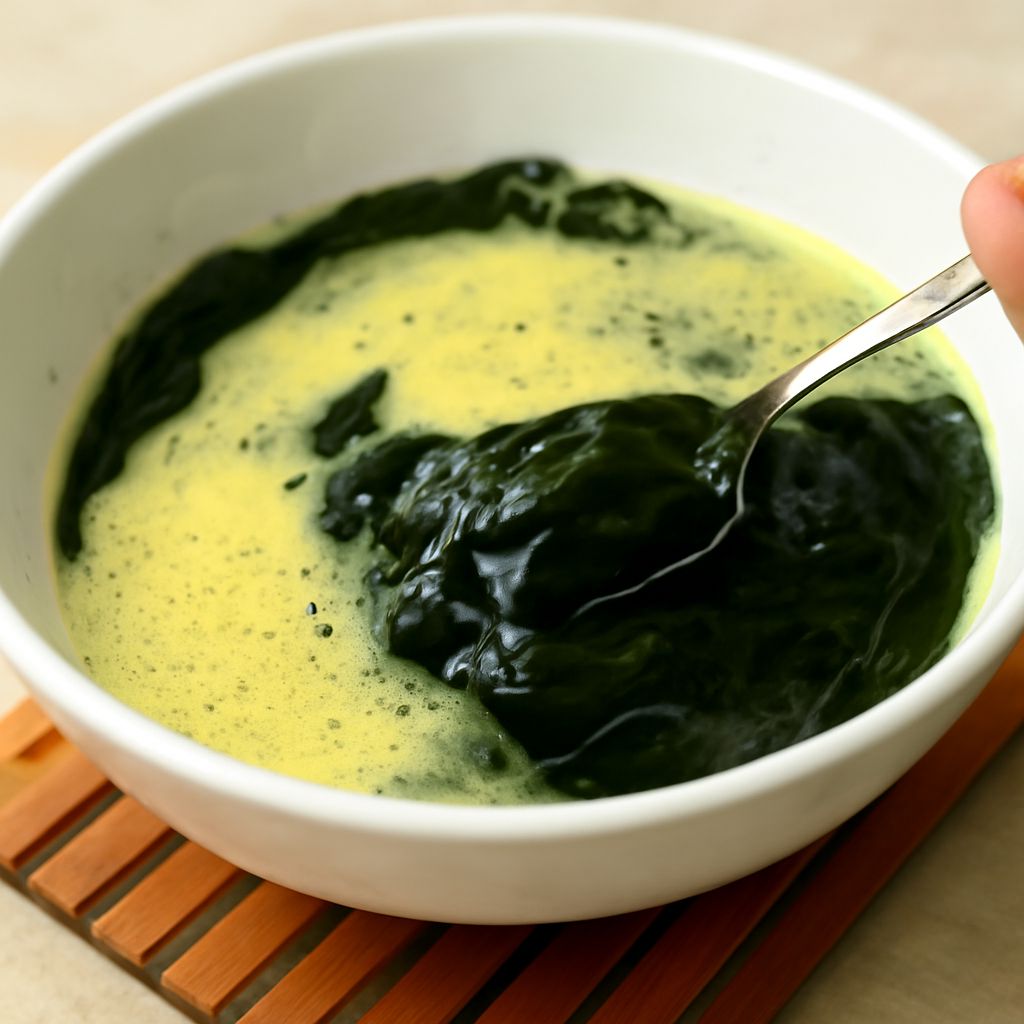
Creating a homemade chemical peel involves using natural ingredients that can aid in exfoliation and skin rejuvenation. A simple recipe includes ingredients like yogurt, which contains lactic acid, combined with lemon juice and honey. Mix these ingredients to form a paste, apply it to clean skin, and leave it on for 10-15 minutes before rinsing off. Homemade peels can be a cost-effective way to rejuvenate your skin, but it’s important to test for allergies and skin sensitivity beforehand.
Safety Tips and Aftercare for Chemical Peels
While chemical peels can offer significant benefits, it’s crucial to follow safety guidelines to minimize risks. Always consult with a qualified professional to determine the best peel for your skin type and concerns. Post-treatment, protect your skin with sunscreen, avoid direct sunlight, and follow any specific aftercare instructions provided by your dermatologist to promote healing and prevent complications. Be cautious when using homemade peels, and discontinue use if irritation occurs.
Pro tips recap: To maximize the benefits of chemical peels for hyperpigmentation and wrinkles, choose the right type of peel for your skin’s needs. Consider natural or homemade options if you prefer gentler solutions. Always prioritize safety by consulting professionals and following proper aftercare routines for healthy and radiant skin.




Leave a Reply