
As more individuals seek to take control of their beauty routines, DIY skin care has emerged as a popular trend. The allure of creating personalized treatments at home is matched by the potential for achieving radiant, healthy skin. However, to ensure the quality and effectiveness of these homemade products, understanding the role of skin packaging and how machines used in the process work is essential. This article explores the intersection of DIY skin care and the tools that support it, providing insights into achieving the much-coveted silk skin.
What is DIY Skin Care?
DIY skin care refers to the practice of creating beauty products at home using natural or readily available ingredients. This approach allows individuals to tailor their skin care routines to their specific needs, free from the preservatives and chemicals often found in commercial products. Whether you’re whipping up a simple face mask or a complex serum, the goal is to enhance skin health naturally.
Why is Skin Packaging Important?
The importance of skin packaging in the DIY skin care movement cannot be overstated. Good packaging helps preserve the integrity and effectiveness of your homemade products, protecting them from environmental factors such as light, air, and moisture that can degrade their quality. Proper skin packaging is crucial for maintaining the freshness and potency of your creations, ensuring they deliver the desired benefits.
How Does a Skin Packaging Machine Work?
Skin packaging machines play a vital role in the preservation process. These machines encase products in a clear film that molds tightly around them, effectively sealing out contaminants. The process involves placing the product on a cardboard backing, then covering it with a special film that is heated and vacuumed to fit securely around the product. This method not only extends the shelf life of products but also showcases them attractively, which can be beneficial if you’re sharing your DIY creations with others.
What is Silk Skin and How to Achieve It?
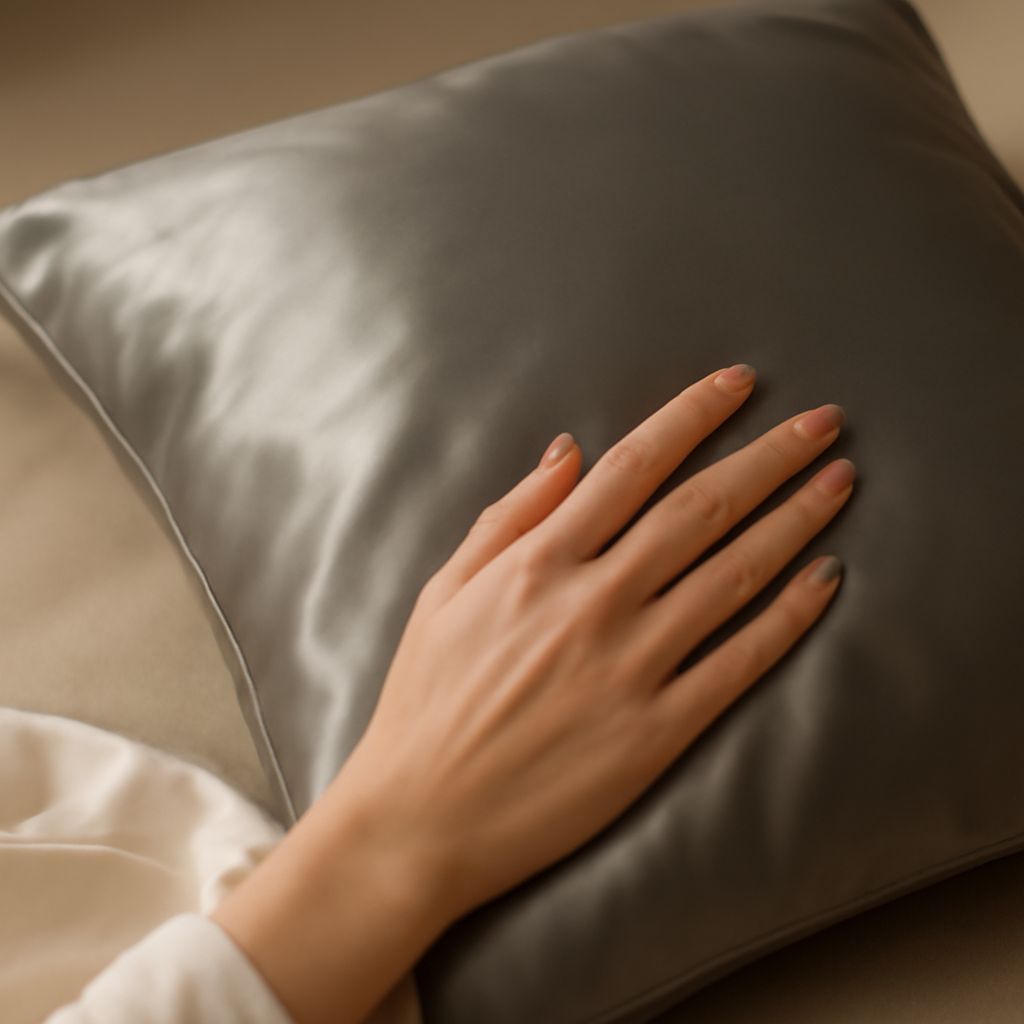
Silk skin is a term that describes skin that is smooth, soft, and radiant—much like the texture and appearance of silk fabric. Achieving this level of skin health requires a combination of hydration, exfoliation, and the use of nourishing ingredients. Regular moisturizing and gentle exfoliation help maintain a smooth surface, while ingredients like hyaluronic acid and vitamin C can enhance skin’s glow and elasticity.
Best Practices for Silk Skin Care
To maintain silk-like skin, it is important to follow certain best practices. Always use a gentle cleanser to avoid stripping the skin of its natural oils. Incorporate a hydrating serum or essence into your routine, focusing on ingredients that support skin health. Regular exfoliation, using methods appropriate for your skin type, will help remove dead skin cells and promote a smoother texture. Finally, protect your skin from UV damage with a broad-spectrum sunscreen, an essential part of any skin care regimen.
DIY Skin Care Recipes to Try at Home
For those eager to dive into DIY skin care, here are a few simple recipes to get you started:
- Honey and Oatmeal Face Mask: Combine one tablespoon of honey with two tablespoons of ground oatmeal. Apply to the face and leave on for 15 minutes before rinsing with warm water. This mask is excellent for soothing and moisturizing the skin.
- Green Tea and Aloe Vera Toner: Brew a cup of green tea and allow it to cool. Mix equal parts of green tea and aloe vera juice. Use this mixture as a toner to refresh and hydrate the skin.
- Coconut Oil and Sugar Body Scrub: Blend one cup of coconut oil with half a cup of sugar for a natural exfoliating scrub. Use it in the shower to slough away dead skin cells and reveal smoother skin.
Safety Recap: Always patch-test new ingredients to avoid adverse skin reactions. When using sharp tools like micro-needling devices, follow safety guidelines to prevent injury. Ensure your skin care tools and containers are sanitized to prevent contamination.



Leave a Reply