
When it comes to skin health, there are many factors that can have a significant impact, including exposure to chlorine and smoking. These elements can cause skin damage, but understanding the underlying effects can help in managing and mitigating them. Whether you’re curious about the phrase “skin that smoke wagon” or looking to learn what happens to your skin when you quit smoking, this guide offers insights into skin recovery and the importance of protective measures.
Understanding ‘Skin That Smoke Wagon’
The phrase “skin that smoke wagon” might evoke imagery from Westerns, but in the context of skin health and care, it’s about taking action. It prompts the consideration of what happens when external factors like smoking affect the skin. While the phrase itself may be metaphorical, the consequences are very real, and understanding them is crucial to maintaining healthy skin.
What Does Chlorine Do to Your Skin?
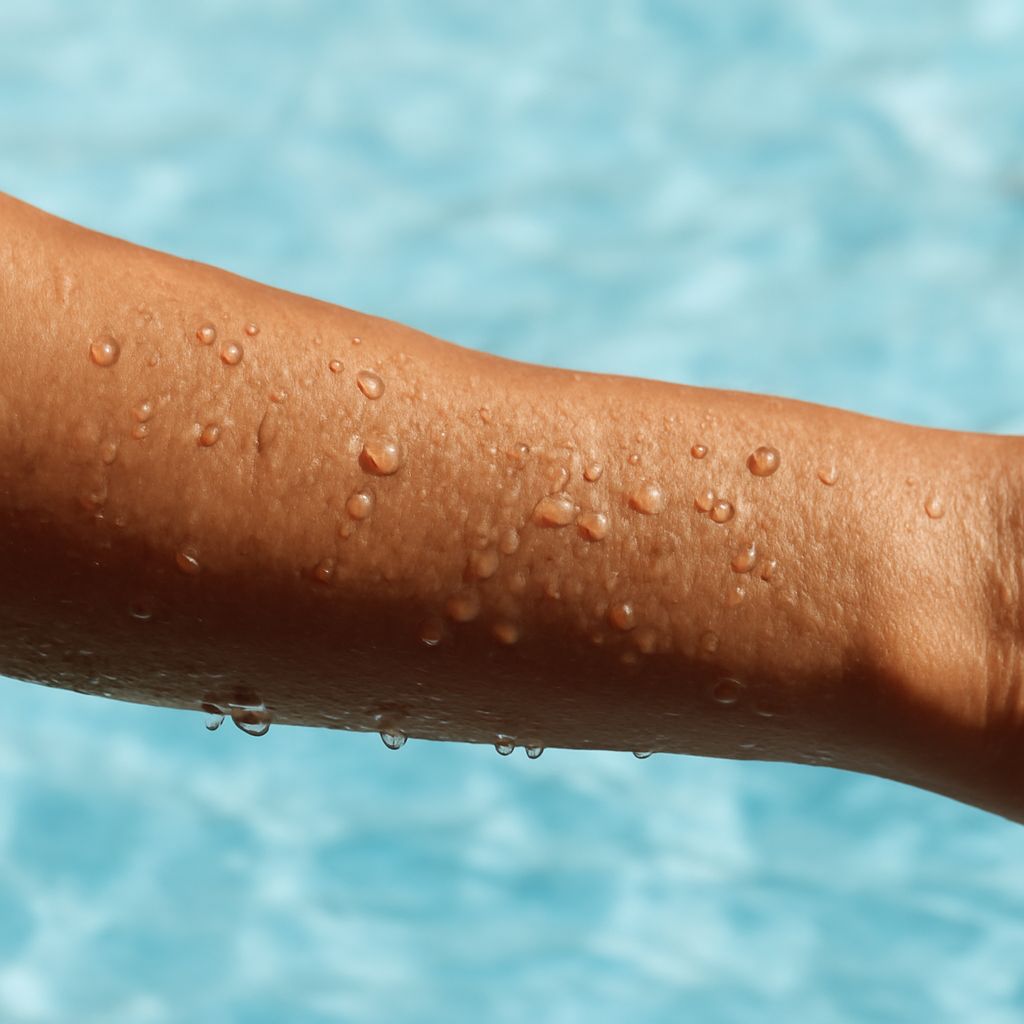
Chlorine is commonly found in swimming pools and is known for its disinfectant properties. However, frequent exposure to chlorine can lead to dry, irritated skin. The chemical strips away natural oils, leaving the skin vulnerable to damage and dehydration. Over time, this can result in rough patches and exacerbate conditions like eczema.
To protect your skin from chlorine, it’s advisable to rinse off thoroughly after swimming and apply a moisturizer to help restore the natural skin barrier. Using a pool-friendly lotion before swimming can also provide an extra layer of protection, minimizing chlorine’s adverse effects.
Effects of Smoking on Your Skin
Smoking is notorious for its detrimental effects on overall health, and the skin is no exception. The toxins in cigarette smoke damage collagen and elastin, two fundamental components that maintain skin’s firmness and elasticity. As a result, smokers often experience premature aging, characterized by wrinkles and a dull complexion.
Moreover, smoking reduces blood flow, depriving the skin of essential nutrients and oxygen. This leads to a sallow appearance and can delay wound healing. Smokers are also more prone to developing conditions like psoriasis and acne, further compromising skin health.
What Happens to Your Skin When You Quit Smoking?
The decision to quit smoking is beneficial for your entire body, including your skin. Once you stop smoking, your skin begins a recovery process. Improved circulation enhances blood flow, bringing more oxygen and nutrients to the skin. This revitalized supply promotes a healthier complexion and can help reverse some of the damage caused by smoking.
Within weeks, you may notice a reduction in skin dullness and an improvement in texture. Over time, as your body detoxifies and collagen production stabilizes, the elasticity and firmness of your skin can improve, leading to a more youthful appearance.
Skin Recovery After Quitting Smoking
Recovering your skin’s health after quitting smoking is a gradual process, but with dedication, significant improvements can be achieved. Hydration plays a key role in skin recovery; drinking plenty of water assists in flushing out toxins and maintaining moisture levels.
Adopting a skincare routine that includes antioxidants, such as vitamin C and E serums, can help repair damage and protect against environmental factors. Regular exfoliation, appropriate sun protection, and a balanced diet rich in fruits and vegetables will further enhance the recovery process.
Professional treatments like chemical peels and laser therapy may also expedite skin regeneration by promoting collagen production and reducing the appearance of fine lines and pigmentation.
Skin That Smoke Wagon and See What Happens
Metaphorically speaking, to “skin that smoke wagon” is to confront the challenges to your skin health head-on. This means understanding the risks posed by environmental factors and lifestyle choices, such as smoking, and taking proactive steps to mitigate them.
It’s about making informed decisions and embracing a healthier lifestyle for better skin health. Whether it’s minimizing chlorine exposure or quitting smoking, the actions you take today can profoundly impact your skin’s future.
In summary, both chlorine and smoking can adversely affect your skin, but understanding their effects allows for protective and restorative measures. Quitting smoking notably improves skin health over time, while consistent skincare practices can aid in recovery and maintenance.
Key takeaways: Prioritize protective measures to shield your skin from chlorine and smoking. Quitting smoking leads to significant improvements in skin health. Embrace a routine of hydration, nutrition, and skincare to foster recovery and maintain a radiant complexion.



Leave a Reply