
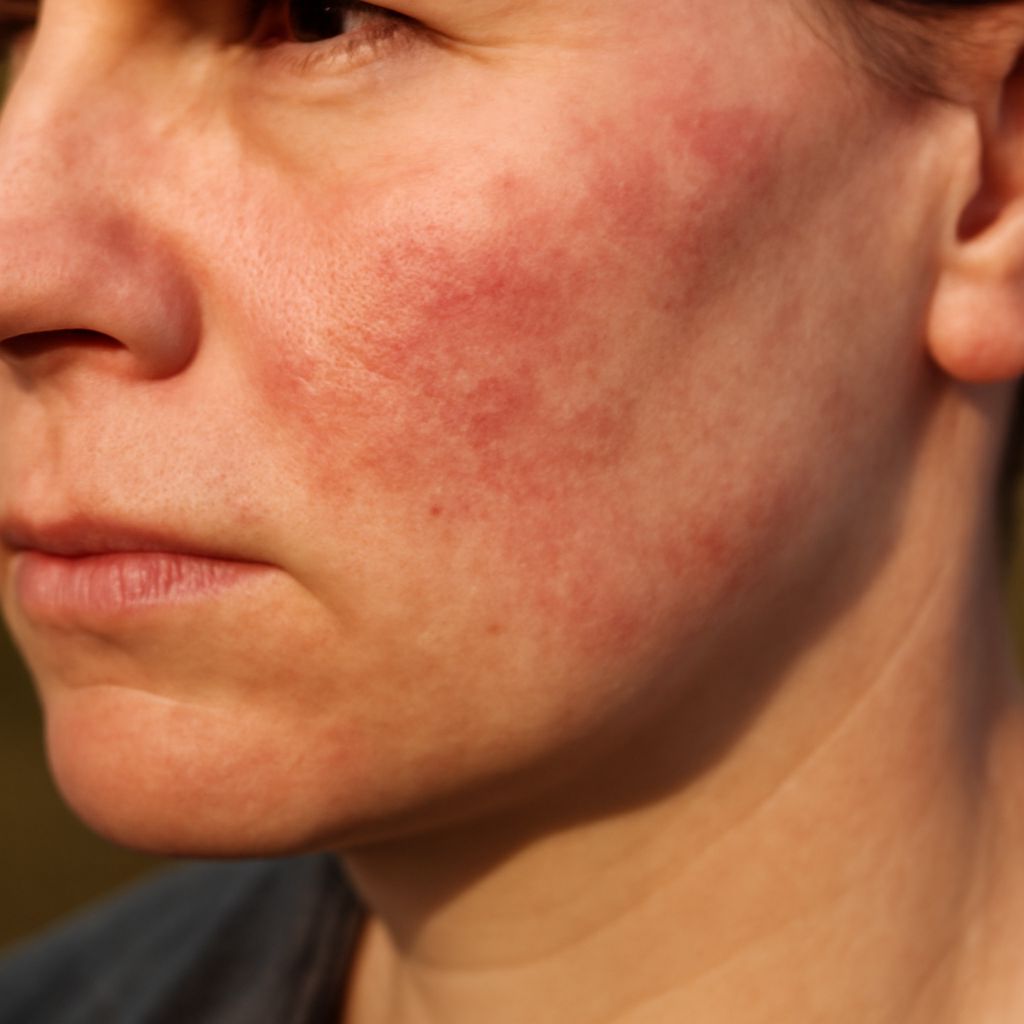
Lupus is a complex autoimmune disease that can manifest in various parts of the body, including the skin. This condition creates unique challenges for those affected, as skin lupus symptoms can not only affect appearance but also cause discomfort and affect quality of life. Understanding and managing lupus skin conditions is essential for anyone seeking relief and a better understanding of their health. With proper knowledge, individuals can effectively tackle these symptoms, seek appropriate treatment, and improve their overall well-being.
What are the common skin lupus symptoms?
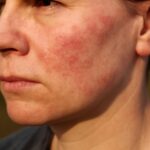
Skin lupus symptoms can range widely in appearance and severity. Common signs include redness, inflammation, and rashes that may appear on the face, neck, or other sun-exposed areas. These symptoms often resemble other dermatological conditions, making it crucial to differentiate them accurately. Symptoms such as discoid lesions, which are thick and scaly patches, and subacute cutaneous lesions, which are red and sometimes ring-shaped, can be indicative of lupus. These skin manifestations might not only affect one’s physical appearance but also lead to discomfort and irritation.
How does lupus affect the skin?
Lupus impacts the skin through an overactive immune system response that mistakenly targets healthy tissue. This autoimmune activity can lead to inflammation and damage to the skin cells, resulting in various symptoms. Photosensitivity is another problem associated with lupus, where exposure to ultraviolet light from the sun or artificial sources exacerbates skin issues and can lead to flare-ups. Given the complexity of how lupus affects the skin, it is important for patients and healthcare providers to monitor skin changes closely to manage the condition effectively.
What are the types of lupus skin conditions?
There are several types of lupus skin conditions, each with distinct characteristics. Discoid lupus erythematosus is characterized by coin-shaped lesions that can scar if not treated properly. Subacute cutaneous lupus erythematosus, on the other hand, presents with red, scaly patches that may not scar but can be quite bothersome. Acute cutaneous lupus erythematosus often appears during systemic lupus flares and manifests as a butterfly-shaped rash across the cheeks and nose. Understanding the specific type of lupus skin condition is vital for tailoring an appropriate treatment plan.
How to manage lupus skin symptoms effectively?
Managing lupus skin symptoms requires a comprehensive approach that combines lifestyle changes, medical treatments, and preventive measures. Sun protection is paramount; wearing broad-spectrum sunscreen and protective clothing can reduce photosensitivity and flare-ups. Topical corticosteroids and other medications may be prescribed to reduce inflammation and alleviate symptoms. Additionally, lifestyle adjustments such as stress management and a balanced diet can support overall health and help mitigate skin lupus symptoms. Regular consultations with healthcare professionals are essential for monitoring progress and adjusting treatment as needed.
When should you consult a dermatologist for lupus skin issues?
Consulting a dermatologist is crucial when skin lupus symptoms become persistent, severe, or worsen despite home care and preventive measures. Dermatologists can perform specialized tests and biopsies that help in diagnosing lupus skin conditions accurately. Moreover, they can offer tailored treatment plans and guidance on the use of medications that address specific symptoms. Early consultation can prevent complications such as scarring and long-term damage, ensuring better outcomes for those affected by lupus. It is advisable to seek professional advice at the onset of new or changing symptoms to manage the condition effectively.
Safety Recap: Protecting the skin from sun exposure is essential for managing lupus skin conditions. Those with lupus should use sunscreen, wear protective clothing, and consult healthcare providers regularly to monitor skin health. Always follow prescribed treatments to avoid complications.

Leave a Reply