
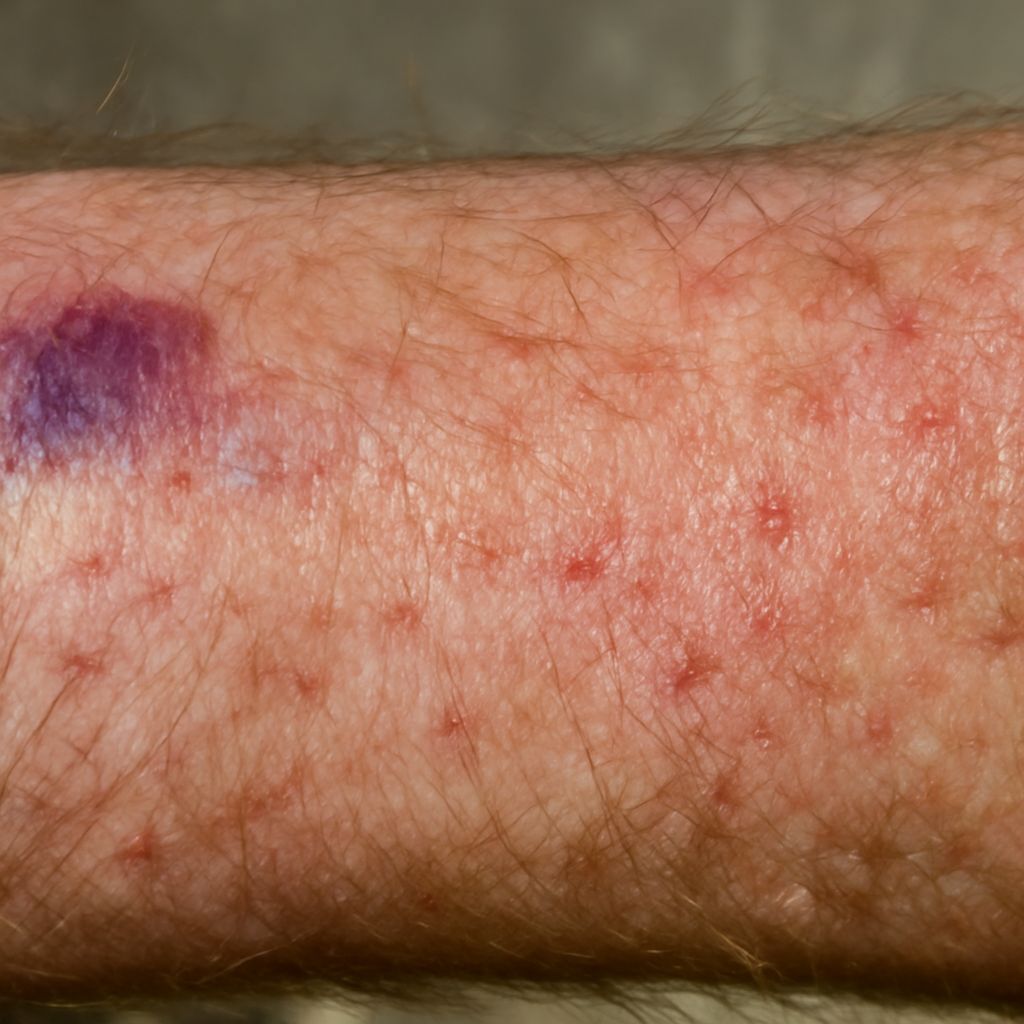
Discovering unusual changes in your skin can be concerning, especially when you notice purple spots appearing seemingly out of nowhere. These blood spots on skin can range from small dots to larger blotches, leaving many wondering about their origin and significance. Understanding these purple marks on skin is crucial for identifying potential health concerns and knowing when to seek appropriate medical care.
Fortunately, not all purple blotches are reasons for alarm. By exploring the various causes and available treatments, individuals can gain clarity and take steps toward maintaining their skin health. Let’s delve into the nature of these purple skin changes and how you can address them.
What Are Purple Spots on Skin?
Purple spots on the skin, also known as purpura, refer to discolorations that occur when small blood vessels burst, allowing blood to pool under the skin. These spots can vary in size and are typically red, purple, or brownish in color. Such discolorations do not blanch when pressed, distinguishing them from other types of rashes or skin conditions.
These spots can appear anywhere on the body and may be accompanied by other symptoms, depending on the underlying cause. While they can be harmless, it’s essential to monitor their appearance and any accompanying signs for a comprehensive understanding of their implications.
Why Do Blood Spots on Skin Appear?
Blood spots on the skin can result from various factors, ranging from minor injuries to more serious health issues. One common cause is trauma, such as a bump or bruise, which causes capillaries to break and blood to leak. Additionally, certain medical conditions and medications can contribute to the development of these spots. Examples include infections, blood clotting disorders, and medications like blood thinners.
Other contributing factors might include nutritional deficiencies, such as a lack of vitamin C or K, which play crucial roles in blood vessel integrity and healing. It’s important to consider lifestyle and environmental factors when assessing the cause of these skin changes.
What Conditions Cause Purple Marks on Skin?
Various health conditions can lead to the formation of purple marks on the skin. Some of the most common include:
- Thrombocytopenia: A condition characterized by low platelet levels, leading to increased bleeding and bruising.
- Vasculitis: Inflammation of blood vessels that can cause purple blotches due to compromised vessel walls.
- Henoch-Schönlein purpura: A condition more common in children, resulting in purple spots, joint pain, and abdominal discomfort.
- Leukemia: A type of cancer affecting blood and bone marrow, which can cause purple blotches as a symptom.
These conditions range in severity, and early detection through awareness of symptoms can aid in securing timely medical intervention.
How to Diagnose Purple Blotches on Skin?
Diagnosing the cause of purple blotches on the skin involves a combination of medical history review, physical examination, and possibly additional tests. A healthcare professional may inquire about recent injuries, medications, or family history of bleeding disorders. Physical examination helps evaluate the spots’ characteristics and distribution.
In some cases, further diagnostic tests, such as blood tests, imaging, or skin biopsies, might be necessary to determine the underlying cause. These assessments help identify or rule out conditions like clotting disorders or systemic diseases, guiding appropriate treatment strategies.
What Treatments Are Available for Purple Spots on Skin?
The treatment for purple spots on the skin largely depends on the underlying cause. For cases resulting from minor injuries, time and rest are often sufficient for healing. Elevating the affected area and applying cold compresses can reduce swelling and discomfort.
When purple marks are symptomatic of medical conditions, addressing the root cause is essential. Treatment may involve medication adjustments, supplementation of vitamins, or targeted therapies for specific diseases. For instance, corticosteroids might be prescribed for inflammatory causes, while immunosuppressants could be used for autoimmune-related purpura.
Ultimately, collaboration with a healthcare professional ensures tailored treatment approaches that consider individual health contexts and needs.
When to See a Doctor for Blood Spots on Skin?
While not all blood spots require immediate medical attention, certain scenarios warrant a doctor’s visit. If purple spots appear suddenly without an apparent cause, are widespread, or are accompanied by other symptoms such as fever, fatigue, or unexplained weight loss, consulting a healthcare provider is advisable.
Additionally, if the spots do not improve over time or are recurrent, medical evaluation can help identify potential underlying health issues. Prompt attention is crucial for serious causes like clotting disorders or blood cancers.
Pro tips recap: Monitor any changes in your skin carefully, pay attention to accompanying symptoms, and seek medical advice when necessary. Early diagnosis and treatment can lead to better outcomes. Remember, maintaining a balanced diet, managing stress, and following a skincare routine are essential steps toward healthy skin. Safety note: If using any sharp tools for skincare or medications, practice caution to prevent injuries and adverse reactions. Always consult a healthcare professional before making significant changes to your health regimen.




Leave a Reply