
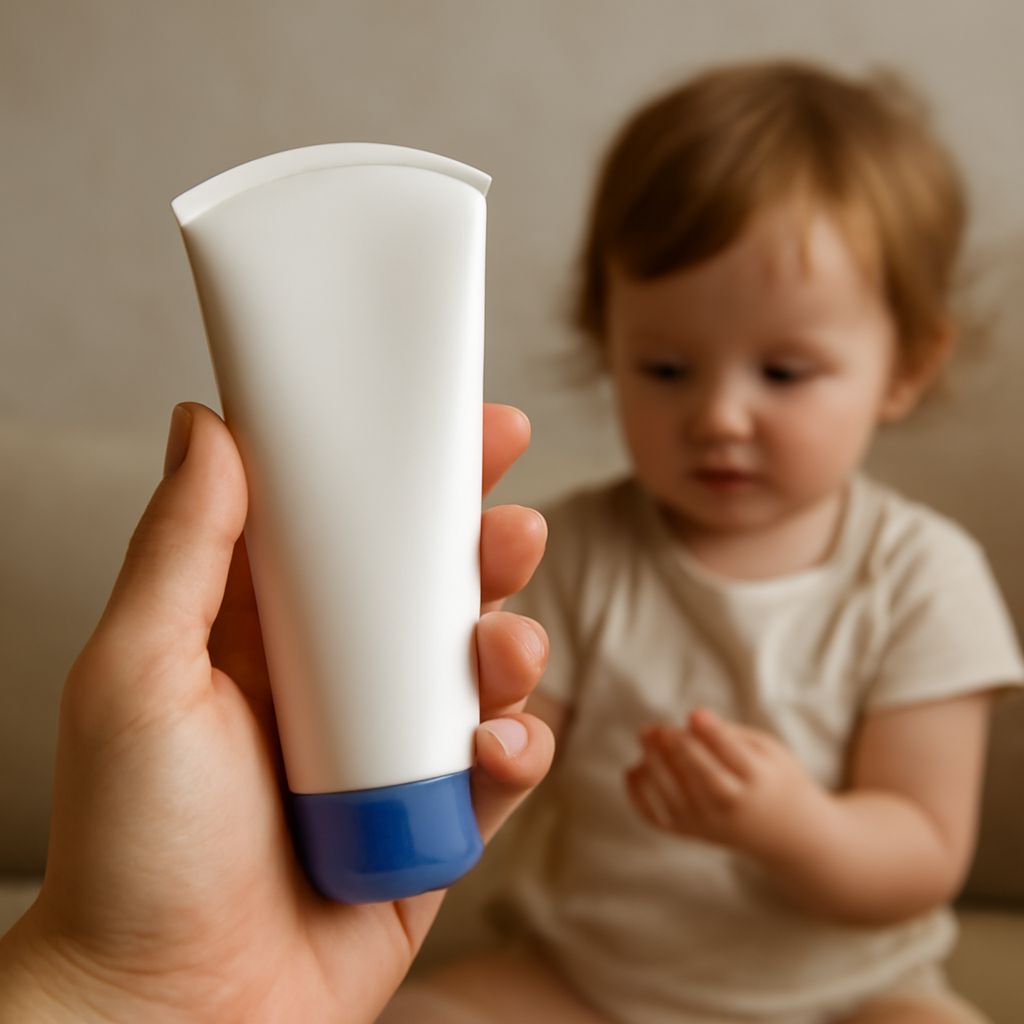
Living with eczema can be a constant struggle, as this chronic condition creates persistent discomfort through inflamed, itchy patches of skin. Although there is no cure, effective eczema skin care can significantly alleviate symptoms and enhance quality of life. By understanding the importance of choosing the right skin cream for eczema, individuals can find much-needed relief and support their skin’s health.
With the right approach, managing eczema becomes less daunting. This article will explore the impact of eczema, the significance of dedicated skin care, how to select the best skin cream for eczema, and various daily routines and natural remedies that can help. Additionally, we’ll discuss when it might be necessary to seek professional advice from a dermatologist.
Understanding Eczema and Its Impact
Eczema, also known as atopic dermatitis, is a skin condition characterized by red, inflamed, and often extremely itchy skin. It most commonly appears in children but can persist into adulthood. The exact cause of eczema remains unknown, but it is linked to both genetic and environmental factors.
The impact of eczema extends beyond physical discomfort. Individuals often experience emotional distress due to the visible nature of the condition, potentially leading to self-esteem issues. Understanding these effects is crucial for managing not only the symptoms but also the psychological aspects of eczema.
Why Eczema Skin Care Matters
Effective eczema skin care is essential because it helps maintain the skin’s barrier function, preventing further irritation and infection. Regular moisturizing and protection from irritants are key components of managing this condition. Proper care can reduce flare-ups, lessen itching, and improve overall skin health.
Without dedicated skin care, eczema can worsen, leading to more severe symptoms and complications. By focusing on specific skin care practices, individuals can gain control over their condition and minimize its impact on daily life.
Choosing the Right Skin Cream for Eczema
Selecting the appropriate skin cream is crucial for eczema management. Look for products specifically labeled for eczema or sensitive skin, as these are formulated to provide the necessary hydration and protection without causing irritation.
- Ingredients to seek: Choose creams with emollients like ceramides and hyaluronic acid, which help restore the skin barrier.
- Ingredients to avoid: Avoid products containing fragrances, alcohol, or harsh preservatives, as these can exacerbate symptoms.
- Texture and application: Opt for thicker creams or ointments that offer longer-lasting moisture, especially during colder months.
Daily Routines for Eczema Skin Care
Consistency is key when it comes to eczema skin care. Establishing daily routines can greatly enhance skin health and prevent flare-ups.
- Moisturizing: Apply a suitable skin cream immediately after bathing to lock in moisture. Consistent use, even when symptoms aren’t present, is vital.
- Bathing habits: Use lukewarm water and gentle, unscented cleansers to avoid irritating the skin further.
- Clothing choices: Wear soft, breathable fabrics like cotton to reduce skin irritation and friction.
- Environmental adjustments: Maintain a humid environment at home, especially during dry seasons.
Natural Remedies and Alternatives
Some individuals seek natural alternatives to traditional eczema treatments. While these methods can offer relief, it’s essential to approach them with caution and knowledge.
- Coconut oil: Known for its anti-inflammatory properties, coconut oil can provide moisture and soothe irritation.
- Aloe vera: Aloe can cool the skin and reduce itching, making it a popular natural choice.
- Oatmeal baths: Colloidal oatmeal has been shown to relieve itching and calm inflamed skin when added to bathwater.
While natural remedies can complement traditional treatments, they should not replace prescribed medications without consulting a healthcare professional.
When to Consult a Dermatologist
While many cases of eczema can be managed with over-the-counter products and lifestyle changes, some situations require professional intervention.
- If symptoms worsen or do not improve with standard care, a dermatologist can provide targeted treatment options.
- Persistent infections or severe flare-ups may require prescription medications to control.
- For personalized advice and advanced management strategies, especially when dealing with psychological impacts, professional consultation is advisable.
Bottom line: Eczema can be challenging, but with the right skin care strategies and timely medical advice, individuals can achieve significant relief. Prioritizing skin health through proper moisturizing and protective routines is essential for managing this condition effectively.





Leave a Reply