
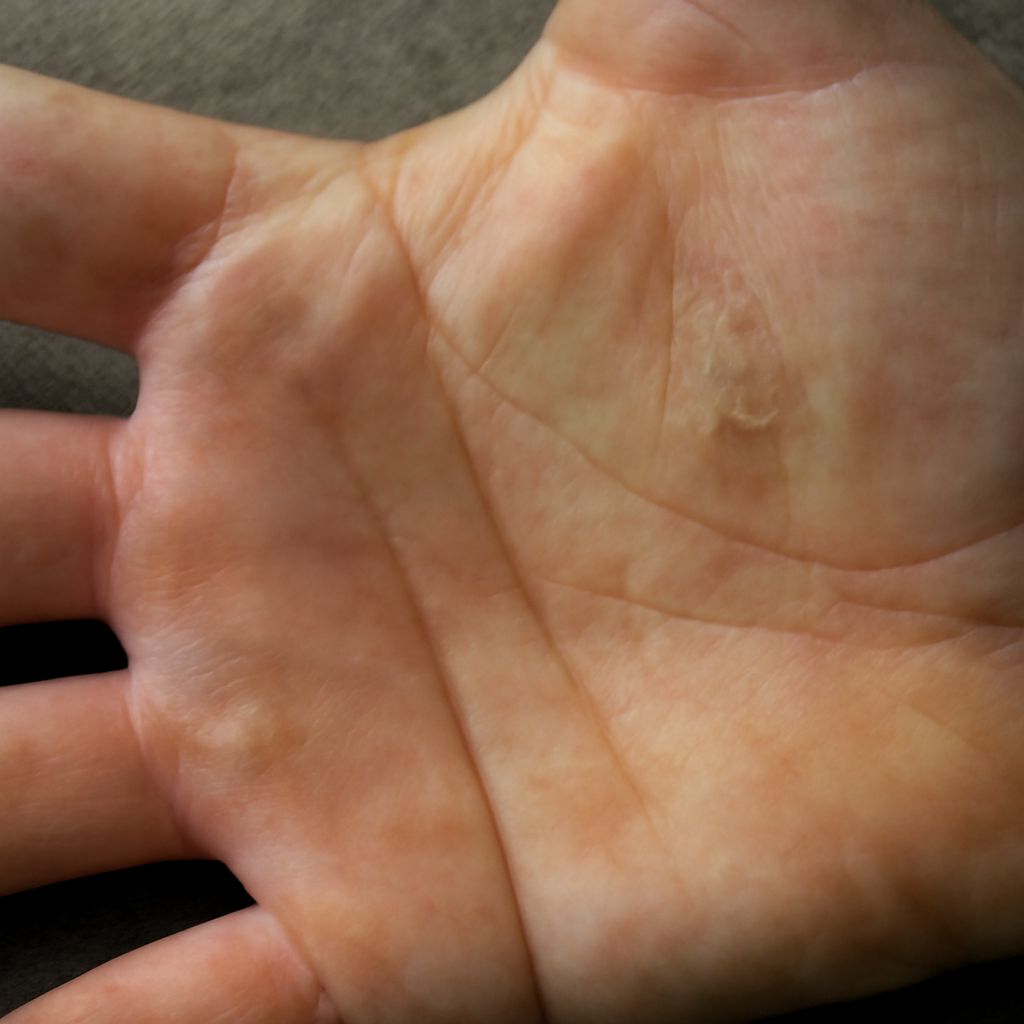
Being diagnosed with a rare skin disease can be a bewildering and isolating experience. Many people and healthcare professionals are unfamiliar with these uncommon skin conditions, which can lead to delayed recognition and uncertainty about how to proceed. However, better awareness, accurate diagnosis, and modern treatments are making it increasingly possible to effectively manage even the rarest skin diseases.
Understanding the unique features of rare skin conditions is essential for patients, caregivers, and clinicians alike. In this article, we’ll explore what makes a skin disease “rare,” highlight some of the most frequently diagnosed rare skin diseases, examine their causes and symptoms, and review the latest approaches in diagnosis, treatment, and support.
What are rare skin diseases and how are they defined?
A rare skin disease, also known as an uncommon skin condition, is generally defined by its low prevalence in the population. In the United States, a disease is considered rare if it affects fewer than 200,000 people at any given time. In the European Union, the threshold is fewer than 1 in 2,000 individuals. This rarity often means that there is limited research, as well as fewer clinicians with experience in diagnosing or treating these disorders.
These conditions encompass a broad range of presentations, including genetic syndromes, autoimmune diseases, and unusual skin growths or rashes. Examples include epidermolysis bullosa, which causes fragile, blistering skin, and xeroderma pigmentosum, a disorder leading to extreme sensitivity to sunlight. Other rare dermatologic diseases involve pigment changes, persistent ulcers, or thickening of the skin.
Because these rare skin diseases are uncommon, patients often struggle to find information or support. Misdiagnosis or underdiagnosis is frequent, especially since many symptoms initially mimic more common skin ailments such as eczema, psoriasis, or allergic reactions.
Ultimately, rare skin conditions cover a spectrum of disorders that require special awareness and expertise. Their definition is based on how infrequently they are encountered in clinical practice, yet their impact on individuals and families can be profound.
Which rare skin conditions are most commonly diagnosed?
Despite being classified as rare, some skin conditions are more likely than others to be seen in specialist dermatology clinics. Among the better-known rare skin diseases are epidermolysis bullosa, which leads to severe blistering from minor trauma, and congenital ichthyoses, a group of inherited disorders resulting in thick, scaly skin from birth.
Other rare skin disorders often diagnosed include pemphigus vulgaris, an autoimmune blistering disease, and Stevens-Johnson syndrome, a severe reaction usually triggered by medications. Cutaneous T-cell lymphoma, a rare type of skin cancer, may also present with persistent rashes or plaques that do not respond to standard treatments.
Conditions like scleroderma, which causes hardening and tightening of the skin, or lichen planus, involving itchy, purplish skin lesions, are less common but still recognized by specialists. Some genetic conditions, such as kindler syndrome or Hailey-Hailey disease, present with distinct patterns of skin fragility and inflammation.
While each of these rare skin conditions is diagnosed infrequently, their impact is significant and often lifelong. Early recognition and referral to experienced dermatologists are crucial for optimal outcomes.
What causes rare skin diseases to develop?
The causes of rare skin diseases are as varied as the disorders themselves. Many of these uncommon conditions have genetic, autoimmune, or environmental origins. Genetic mutations play a central role in diseases like epidermolysis bullosa or xeroderma pigmentosum, where inherited alterations affect the structure or function of the skin.
Autoimmune mechanisms are implicated in some rare skin disorders, including pemphigus vulgaris and bullous pemphigoid, where the body’s immune system mistakenly attacks healthy skin components. These autoimmune diseases may be triggered by infections, medications, or other unknown factors in genetically susceptible individuals.
Environmental triggers also contribute to the development of certain rare skin conditions. For example, exposure to sunlight can cause severe reactions in patients with porphyrias or xeroderma pigmentosum. Infections, allergens, or even certain cancers can provoke rare dermatologic syndromes.
Although the origins of many rare skin diseases are now better understood, ongoing research is needed to clarify the complex interplay of genetic and environmental factors. Improved understanding of these causes may eventually lead to more targeted therapies and prevention strategies.
How do symptoms of rare skin conditions appear and progress?
The symptoms of rare skin diseases vary widely, but some patterns are characteristic. Many of these disorders manifest as persistent or recurring rashes, blisters, ulcers, or thickened skin. Inherited conditions like the ichthyoses often present with widespread scaling and dryness that can be seen from infancy, while autoimmune blistering skin diseases may develop abruptly in adulthood with severe painful erosions.
Some rare skin conditions progress gradually, with symptoms worsening over months or years. For example, scleroderma starts with swelling and tightness of the fingers and may eventually cause hardening and immobility. Others, such as neutrophilic dermatoses, can flare suddenly, causing red, swollen, and tender patches or nodules that heal slowly.
Itching, pain, and cosmetic concerns are common to many rare dermatologic diseases. Skin fragility, as seen in epidermolysis bullosa, leads to frequent wounds and increased risk of infection. In some syndromes, systemic symptoms—such as fever, joint pain, or eye involvement—may accompany the cutaneous findings.
The unpredictable progression of these conditions emphasizes the need for regular monitoring and individual management plans. Recognizing the subtle skin changes early can make a significant difference in treatment success and quality of life.
What are the options for diagnosing rare skin diseases?
Diagnosing rare skin diseases can be challenging due to their infrequency and overlap with more common skin problems. Accurate diagnosis usually begins with a detailed medical history, assessment of family background, and a thorough skin examination by a dermatologist.
In many instances, a skin biopsy is performed to examine tissue under a microscope. This can reveal characteristic patterns or cell types that help pinpoint the diagnosis. Immunofluorescence studies, which highlight immune proteins in the skin, are often crucial for confirming autoimmune blistering diseases like pemphigus or pemphigoid.
Genetic testing is increasingly used to identify specific mutations in inherited skin disorders. Blood tests may also be ordered to check for systemic involvement or underlying autoimmune processes. In rare cases, consultation with other specialists—such as geneticists, rheumatologists, or oncologists—may be necessary.
Because of the complexity involved, referral to specialized centers or rare disease clinics is recommended when rare skin conditions are suspected. These facilities often participate in registries and research, potentially providing access to the latest diagnostic tools.
How are rare skin conditions treated and managed?
Management of rare skin diseases is highly individualized and depends on the underlying cause, severity, and progression of the condition. For inherited disorders like epidermolysis bullosa, the primary focus is on wound care, infection prevention, and pain management. Gentle handling, use of non-adhesive dressings, and sometimes surgical interventions are necessary to maintain skin integrity.
Autoimmune rare skin conditions such as pemphigus vulgaris require medications to suppress the immune response. These may include corticosteroids, immunosuppressive drugs, and newer biologic therapies that target specific immune pathways. Monitoring for medication side effects and ongoing evaluation by a dermatologist is crucial during long-term therapy.
Some rare dermatologic diseases, like cutaneous lymphomas or scleroderma, may involve a combination of topical treatments, phototherapy, or systemic medications aimed at reducing symptoms and slowing disease progression. Supportive care—such as physical therapy, nutritional support, or counseling—is often part of a comprehensive management plan.
Because rare skin conditions can lead to significant skin fragility, irritation, or sensitivity, care is taken to avoid harsh soaps, abrasive materials, or unnecessary trauma. Patients should be aware of potential skin reactions to new treatments and report any concerning symptoms to their healthcare team promptly.
Where can patients and families find support for rare skin diseases?
Living with a rare skin condition can be emotionally and socially challenging for both patients and their families. Fortunately, several organizations and patient advocacy groups offer information, resources, and community support. Groups such as the National Organization for Rare Disorders (NORD), DebRA International (for epidermolysis bullosa), and the Ichthyosis Support Group provide educational materials and connect families with local specialists.
Online forums and social media communities can offer a way to share experiences and advice with others facing similar challenges. Many hospitals and rare disease centers host support groups where patients and caregivers can meet in person or virtually.
Accessing psychosocial support is vital for coping with the impact of a rare skin disease. Mental health professionals, social workers, and genetic counselors can help address anxiety, depression, and practical concerns related to the diagnosis.
Staying informed about new research, clinical trials, and treatment advances is also empowering. Regular communication with healthcare providers and involvement in patient registries may help individuals with rare skin conditions feel less isolated and more in control of their care.
Safety recap: When caring for rare skin diseases, always use gentle handling, avoid sharp instruments unless directed by a healthcare provider, and monitor for any skin reactions with new treatments. Consult a dermatologist or specialist for ongoing guidance and support.

Leave a Reply