
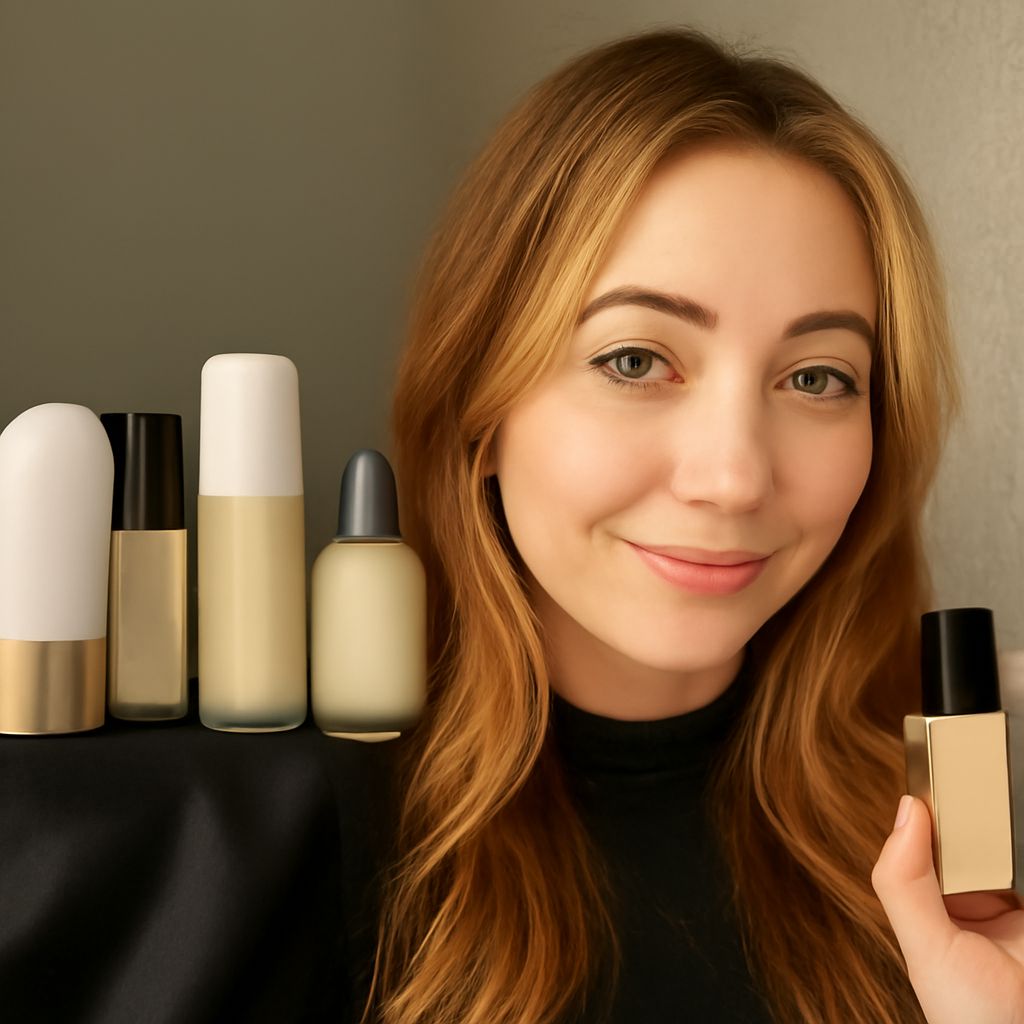
If you have a fair complexion, you know that finding the perfect foundation for pale skin can be a daunting task. The struggle to locate a truly light shade—one that flatters rather than masks your natural beauty—is real. Adding to the difficulty, many mainstream brands offer only a limited range for fair tones, often resulting in unnatural finishes or mismatched undertones. But the right match can transform your makeup routine, helping you achieve a flawless, radiant look that celebrates your unique fairness instead of covering it up.
The solution lies in understanding exactly what to look for in the best foundation for fair skin. From undertones to formulations, texture to coverage, making an informed choice ensures seamless blending and a complexion that glows. In this guide, we’ll walk you through the essentials of selecting, applying, and wearing foundation for pale skin, along with top 2024 product picks and expert advice to help you avoid common pitfalls.
Why Is Finding the Right Foundation for Pale Skin So Challenging?
People with lighter skin tones often face a unique set of problems when shopping for foundation. Many cosmetic lines still focus primarily on medium to tan hues, overlooking the broad spectrum of pale complexions. It’s not just about lightness—undertones such as pink, peach, or neutral make a significant difference, and mismatches can leave foundation looking stark, ashy, or even orange against pale faces.
Another hurdle is the formula’s opacity and finish. Heavier, high-coverage products can easily look cakey or mask-like on fair skin, accentuating dryness or fine lines. Some foundations that promise to be sheer or buildable may lack the capability to even out redness or hyperpigmentation, which can be more noticeable on pale complexions. This delicate balance between coverage and natural appearance makes the quest for the right foundation especially nuanced.
Additionally, oxidization—a process where foundation darkens after application due to skin’s natural oils—can be more noticeable on lighter skin, shifting a carefully chosen shade into an unflattering territory. For those with sensitive or reactive skin, certain pigments and ingredients can cause irritation, leading to redness or uneven results.
In short, finding a foundation for pale skin isn’t just about selecting the lightest bottle on the shelf. It requires attention to subtle details and a willingness to test and experiment until you land on a formula that enhances your natural beauty.
What Should You Look for in the Best Foundation for Fair Skin?
When searching for the best foundation to complement a fair complexion, start by examining the shade range. The most reputable brands now extend their lines to include a spectrum of very light tones, often with multiple undertone options—cool, warm, olive, and neutral. Before you buy, swatch a few shades on your jawline in natural daylight to see how they blend into your skin.
Texture and finish are equally important. For most pale skin types, a lightweight, luminous formula brings out natural radiance without appearing heavy. If your skin leans dry, opt for hydrating foundations that contain ingredients like hyaluronic acid or glycerin. Oily or combination skin may benefit from semi-matte or satin finishes, which reduce shine without dulling your natural glow.
Pay attention to coverage. While sheer creams and tinted moisturizers can work well for an everyday look, you might prefer a buildable foundation that allows for layering over redness or spots without losing a lifelike appearance. Long-lasting wear and SPF are also welcome perks, but always remove your makeup at night to let your skin breathe and recover.
Finally, consider the foundation’s ingredient list. Hypoallergenic and fragrance-free formulations are often best for sensitive pale skin. Look for products tested by dermatologists and avoid those with harsh alcohols or dyes, which might trigger irritation.
How Do You Choose the Perfect Shade and Undertone?
Selecting the right shade of foundation for fair skin starts with understanding your undertone. Cool undertones show hints of pink or blue, while warm undertones have a yellow, peach, or gold base. Neutral undertones fall somewhere in between. You can check the veins on your wrist—bluish veins often indicate a cooler undertone, while greenish veins suggest a warmer one. When in doubt, many foundation brands and beauty consultants now offer online quizzes or in-store matching services to help you navigate undertone selection.
Once you know your undertone, focus on how the foundation looks in different lighting. Swatch a small amount along your jawline, not your hand or wrist, and let it settle for a few minutes. Foundations for paler skin can appear slightly darker after they oxidize, so wait before making a final decision. Don’t be afraid to mix two shades to achieve a perfectly balanced match tailored to your complexion.
For the most natural look, your foundation should seamlessly disappear into your skin, neither lightening nor darkening your overall tone. If you’re between shades, aim slightly lighter; you can always warm up your complexion with bronzer or blush, but an overly dark base is difficult to correct.
Remember, the right undertone is just as important as the depth of color. Even the best foundation for fair skin will fall short if it doesn’t harmonize with your skin’s natural hues.
Top Recommended Foundation for Pale Skin in 2024
This year, several standout foundations have emerged as favorites among those with fair and very light skin tones. Leading the pack are products that offer inclusive shade ranges, gentle formulas, and seamless application.
Some top-rated choices include:
- NARS Sheer Glow Foundation: Praised for its vast spectrum of light shades and luminous finish, this foundation works especially well for those with dry or combination skin. Its buildable coverage makes it easy to customize your look.
- Fenty Beauty Pro Filt’r Soft Matte Longwear Foundation: This groundbreaking line boasts an impressive assortment of undertones and an ultra-lightweight texture, perfect for pale skin with oily tendencies.
- MAC Studio Fix Fluid SPF 15: Known for its extensive color selection, this formula suits both cool and warm undertones, offering reliable coverage without caking.
- L’Oréal True Match Super-Blendable Foundation: An affordable option with a wide range of fair shades, this drugstore staple provides a natural finish and adapts to your unique undertone.
- Ilia Super Serum Skin Tint SPF 40: Ideal for those who prefer sheer, breathable coverage and bonus sun protection, this clean formula is gentle on even the most sensitive pale complexions.
Remember to prioritize patch testing any new foundation to prevent irritation—particularly if your skin is sensitive or reactive. If you experience any discomfort, discontinue use and consult with a dermatologist or skincare professional.
How to Apply Foundation for a Natural Finish on Fair Skin
Preparation is the cornerstone of flawless foundation application. Begin by cleansing your face and applying a lightweight moisturizer suited to your skin type. This creates a smooth canvas and helps the foundation grip evenly. Those with drier complexions might benefit from a hydrating primer, while those with oilier skin could use a mattifying base for longer-lasting results.
Apply your chosen foundation using clean fingers, a makeup sponge, or a brush—each technique offers different effects. Brushes provide a polished look, while damp sponges yield the most natural, dewy finish. For pale skin, start with a small amount and build coverage gradually, focusing on areas with redness or uneven tone. Less is often more; over-applying can lead to a heavy, unnatural look.
Blend foundation outwards from the center of your face, paying special attention to the jawline and hairline for a seamless transition. Use a light hand to avoid disturbing your natural skin texture. If you need extra coverage, blend with gentle tapping motions rather than rubbing, which can lift product and cause streaks.
Finish with a translucent setting powder or a light spritz of setting spray to lock everything in place without dulling your fair skin’s natural luminosity. Always use clean tools, and wash brushes and sponges regularly to prevent breakouts or skin irritation.
Common Mistakes to Avoid When Using Foundation for Pale Skin
One of the most common errors is selecting a shade that’s too dark or too orange for your complexion. Even top foundations for pale skin come in a variety of undertones—take the time to swatch and compare before settling on one. Rushing this process often leads to a noticeable makeup line or an unnatural look.
Over-applying product is another frequent misstep. Because fair skin can be more transparent, it’s tempting to pile on coverage to mask imperfections. However, layering excessive foundation creates a mask-like effect and can emphasize dryness or fine lines. Instead, focus on targeted application and blend well for a barely-there finish.
Skipping skincare prep or failing to blend thoroughly at the hairline and jaw can disrupt the seamless appearance of your foundation. Take a few extra moments to moisturize, prime, and blend for optimal results. If you use tools like brushes or sponges, clean them often to avoid breakouts or irritation—especially important for sensitive pale complexions.
Finally, don’t rely solely on artificial lighting when checking your makeup. Always check your foundation in natural daylight to ensure the color and coverage are spot-on, as indoor lights can distort the true shade and undertone of your product.
Key takeaways: The secret to a flawless fair complexion lies in choosing a foundation that matches both your shade and undertone, with a formula that flatters pale skin. Take time to prep, apply, and blend carefully, and always prioritize gentle ingredients for sensitive complexions. With the right product and techniques, your true radiance will shine through.





Leave a Reply