
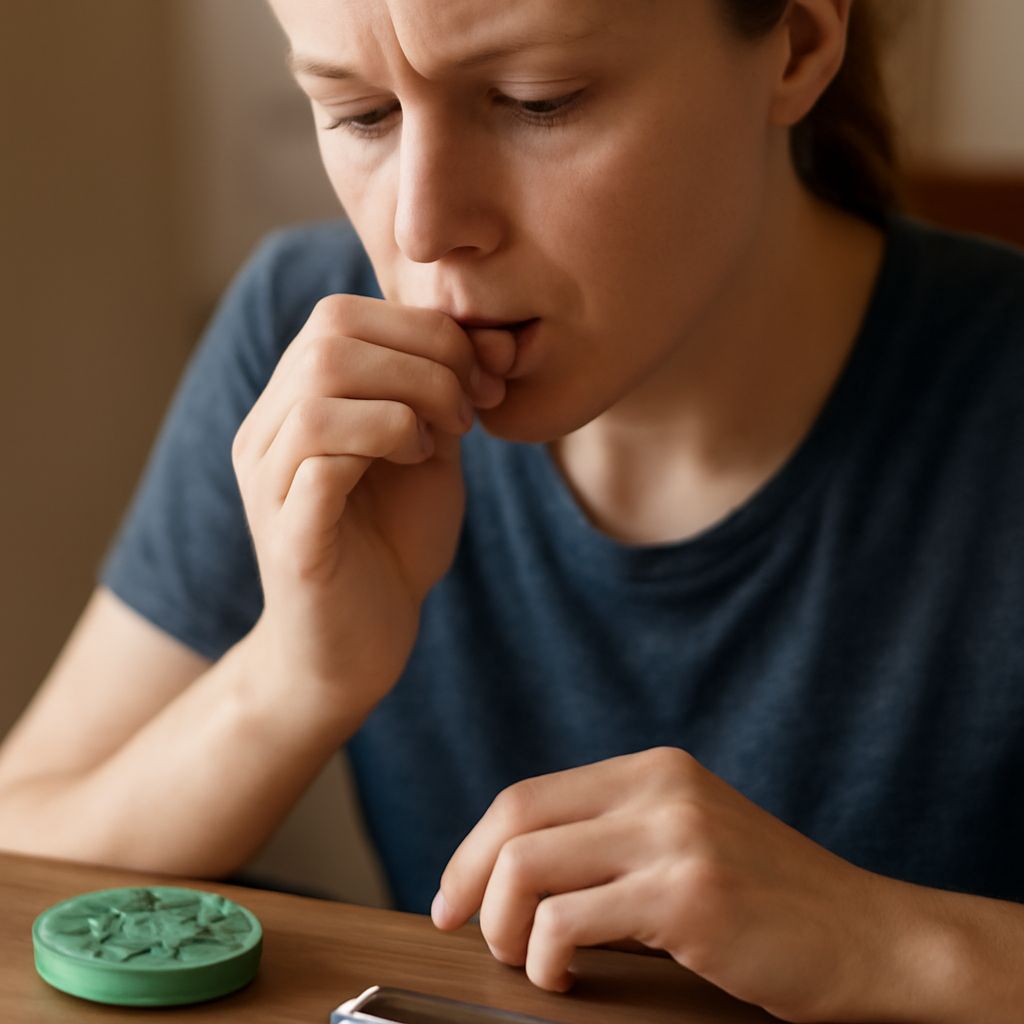
Biting the skin around nails is a common yet damaging habit that many individuals struggle with daily. This behavior not only damages the skin but can also lead to calloused and hard surfaces around the nails. Fortunately, dip acrylic nails offer a practical solution to this pervasive problem. By providing a protective barrier and promoting healthier habits, dip acrylic nails can significantly reduce the urge to bite and improve the health of your nails and surrounding skin.
If you’re dealing with the effects of biting skin around nails, it’s time to explore how acrylic dip nails can benefit you. Not only do they offer a layer of defense against biting, but they also contribute to maintaining the overall health of your nails and skin. Let’s dive deeper into understanding why people bite their nails and how dip acrylic nails can serve as a safeguard.
Why Do People Bite the Skin Around Their Nails?
The Psychology Behind Nail Biting
Nail biting, or onychophagia, often stems from stress, anxiety, or boredom. Many individuals find themselves biting the skin around their nails as a coping mechanism for dealing with these emotions. It can become a deeply ingrained habit that is challenging to break.
How Biting Affects Your Nails and Skin
Engaging in this habit can lead to a variety of problems, including infections and lasting damage to the cuticles. Biting the skin around the nails can also result in calloused skin, making your hands appear less healthy. Over time, this behavior can cause the nails to grow irregularly, further exacerbating the issue.
What Are Dip Acrylic Nails and How Do They Help?
Benefits of Acrylic Dip Nails
Dip acrylic nails are a popular choice for those looking to enhance their nail appearance while protecting their skin. The dip powder creates a strong, durable layer over the natural nail, discouraging biting by reducing the tactile sensation that often triggers the habit.
How to Apply Dip Acrylic Nails at Home
Applying dip acrylic nails at home can be a straightforward process with the right tools and techniques. Start by cleaning and prepping your nails, then apply a base coat. Dip each nail into the acrylic powder, ensuring an even coverage. Finish with a top coat for a glossy and protective finish.
How to Care for Hard and Calloused Skin Around Nails
Moisturizing Tips for Healthy Skin
Regular moisturizing is essential for maintaining healthy skin around the nails. Use a thick, nourishing hand cream daily, focusing on the cuticles and any areas prone to hard, calloused skin. Consistent hydration can prevent dryness and make the skin more resilient against damage from biting.
Preventing Hard Skin with Proper Nail Care
Implementing a regular nail care routine can significantly reduce the formation of hard skin. This includes regular filing, cuticle care, and ensuring your nails are not too long or too short. Proper nail care discourages biting by promoting a neat and tidy nail appearance, reducing the temptation to bite.
Can Acrylic Dip Nails Prevent Biting?
Using Acrylic Dip Nails as a Barrier
Acrylic dip nails act as a physical barrier, making it more difficult to reach the skin around the nails. By covering the nail with a durable layer, they help reduce direct access and sensation that often leads to biting behavior.
Long-Term Solutions for Nail Biters
While dip acrylic nails can play a crucial role in breaking the habit, it’s essential to address the underlying causes of nail biting for long-term success. Behavioral strategies, such as mindfulness and stress management, can be beneficial. Furthermore, seeking guidance from a healthcare professional can provide personalized strategies to overcome the habit.
Safety Note: When applying dip acrylic nails at home, be mindful of using sharp tools and harsh chemicals. Always follow product instructions and consider patch testing new products to ensure no adverse reactions occur, especially if you have sensitive skin.
Next Steps: To maintain healthy nails and skin, commit to a regular nail care regimen. Consider incorporating dip acrylic nails into your routine as a protective measure while addressing the psychological triggers behind the habit. Stay consistent with moisturizing and proper nail maintenance to promote healthier skin around your nails.




Leave a Reply