
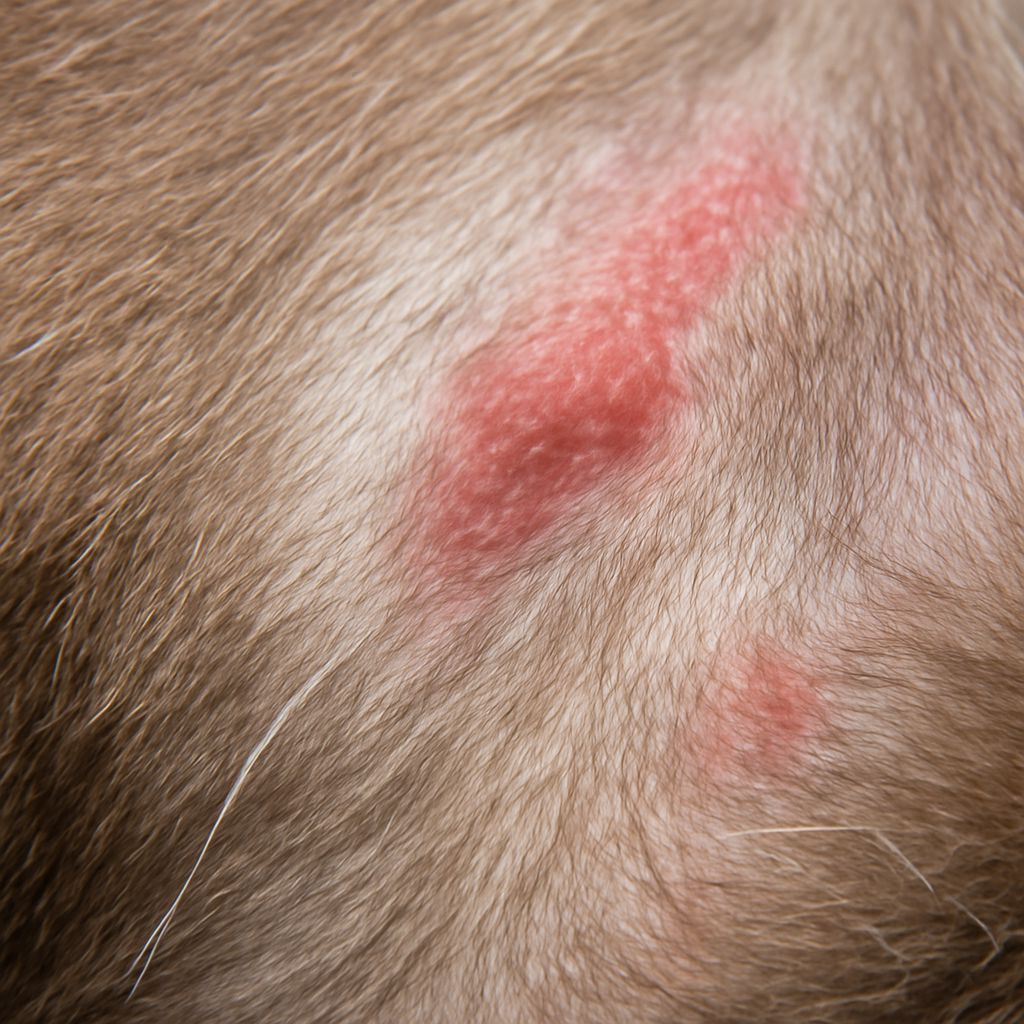
Our pets are cherished family members, and their health is important to us. When you notice white skin around a wound on your dog, it can be a cause for concern. This change in coloration could signify various underlying issues, from infections to allergies. Understanding the symptoms and taking appropriate measures can help ensure your dog remains happy and healthy.
In addition to milky white skin, red skin around the eyes or other areas on your dog might also appear, raising questions about their health. Through this article, we explore potential causes, identify symptoms, and offer solutions for managing these skin conditions in dogs. Whether you’re dealing with a minor issue or something more serious, this guide provides the information needed to take action.
What Causes White Skin Around a Wound in Dogs?
Common Causes
White skin surrounding a wound in dogs can be attributed to several factors. Infections are a primary cause, as bacteria or fungi can alter skin color. Additionally, allergic reactions may trigger similar changes, often accompanied by itching and irritation.
When to Seek Veterinary Help
If the white skin persists or is accompanied by other symptoms like swelling or discharge, it is advisable to consult a veterinarian. A professional diagnosis is crucial to rule out serious conditions and ensure appropriate treatment.
Home Care Tips
For minor issues, keeping the wound clean and dry can be beneficial. Applying a vet-recommended antiseptic can also help in preventing further infection. Regularly monitoring the wound for any changes is essential.
How to Identify Milky White Skin on Dogs
Symptoms to Look For
The presence of milky white skin can manifest alongside other symptoms such as dryness, flaking, or discoloration in other areas. It is important to note any behavioral changes, such as increased scratching or licking.
Possible Underlying Health Conditions
Conditions like vitiligo or certain autoimmune diseases might cause changes in skin pigmentation. These require a comprehensive examination by a veterinarian to determine the exact cause and appropriate treatment.
Treatment Options
Depending on the underlying issue, treatment may range from topical ointments to dietary changes. In some cases, managing environmental factors, such as allergens, can also be effective.
Why Is My Dog’s Skin Red Around the Eyes?
Common Allergies and Irritants
Red skin around the eyes is often a sign of allergies, which could be due to environmental factors like pollen or dust. Irritants such as smoke or certain cleaning products can also contribute to this condition.
Infections and Other Causes
Bacterial or fungal infections might lead to redness around the eyes. In some cases, blocked tear ducts or conjunctivitis could also be the culprits.
Preventive Measures
Ensuring your dog’s environment is clean and free of potential allergens can prevent the onset of redness. Regular grooming and eye care can also reduce the risk of infections.
Understanding Different Shades of White Skin on Dogs
Genetic Factors
In some instances, variations in skin color can be attributed to genetics. Breeds like Dalmatians or Boxers may naturally exhibit different shades of white skin.
Environmental Influences
Exposure to sunlight and other environmental elements can affect skin pigmentation. Protection from harsh weather conditions is important to maintain healthy skin.
When to Consult a Vet
If there is a sudden change in skin color or if the dog exhibits additional symptoms, a veterinary consult is recommended. Timely intervention can prevent further complications.
How to Remove White Out from Dog Skin Safely
Immediate Steps
Accidentally spilling white out on your dog can be alarming. Immediate action involves gently removing any excess with a damp cloth. Avoid rubbing the skin vigorously.
Safe Cleaning Techniques
Use mild soap and water to clean the affected area. Ensure that the soap is dog-safe to avoid irritation. Rinse thoroughly and pat dry with a clean towel.
Avoiding Harmful Chemicals
Do not use harsh chemicals or solvents to remove white out, as they can harm your dog’s skin. If you are unsure, seek advice from a veterinarian to prevent adverse effects.
When to Consult a Veterinarian for Skin Issues
Signs of Serious Conditions
Persistent skin changes, severe itching, or any signs of discomfort warrant a veterinarian’s attention. Early diagnosis can lead to better outcomes and prevent more serious health issues.
Importance of Professional Diagnosis
A veterinarian can provide a thorough examination and necessary tests to identify the root cause of skin issues. This professional insight is crucial for effective management and treatment.
Key takeaways: Observing and understanding changes in your dog’s skin is vital for their well-being. Timely intervention and professional advice can significantly improve outcomes. Always prioritize your dog’s comfort and health by seeking expert guidance when needed.





Leave a Reply