
Have you ever wondered, “Can you paint over acrylic nails while dealing with skin issues?” Whether you are experiencing over exfoliated skin or dealing with the discomfort of skin stitching, these concerns can complicate your beauty routine. As skin grows over stitches or manifests as raccoon skin, it becomes vital to understand these conditions and how they impact both skin and nail care.
Fortunately, there are solutions. With the right knowledge, you can restore the balance of your exfoliated skin, manage the healing process of skin stitches, and safely maintain your acrylic nails. Read on to explore effective remedies and preventive measures for each of these skin challenges.
What is Over Exfoliated Skin and How Can You Treat It?
Signs and Symptoms of Over Exfoliated Skin
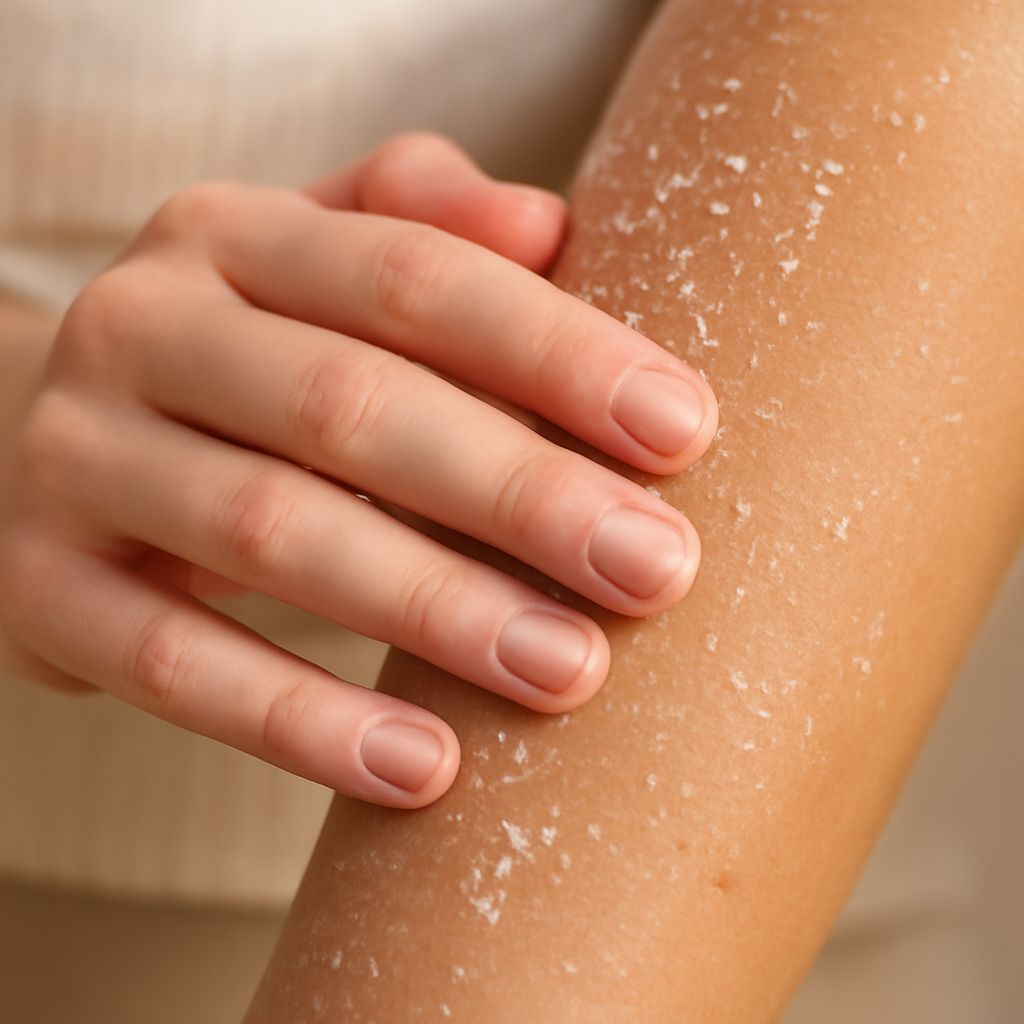
Over exfoliated skin often presents with redness, irritation, and increased sensitivity. This condition can occur when the protective barrier of the skin is compromised, leading to dryness and itchiness. Identifying these signs early is crucial in preventing further damage.
Effective Remedies for Over Exfoliated Skin
To treat over exfoliated skin, begin by reducing the frequency of exfoliation. Incorporate soothing and hydrating products, such as aloe vera and hyaluronic acid, into your skincare routine. Remember to always apply sunscreen to protect the sensitive skin from UV damage.
Can You Paint Over Acrylic Nails Safely?
Steps to Safely Paint Over Acrylic Nails
Yes, you can paint over acrylic nails, but it requires careful steps to ensure safety and longevity. Start by gently cleaning the acrylic surface to remove any oils. Then, apply a base coat to protect the acrylic and enhance polish adhesion.
Common Mistakes to Avoid
Avoid using acetone-based products directly on acrylic nails, as they can weaken the material. Additionally, refrain from excessive filing, which can thin the acrylic and damage the natural nail underneath.
What is Skin Stitching and How Does It Affect Healing?
Understanding the Skin Stitching Process
Skin stitching is a medical procedure used to close wounds and promote healing. The process involves sewing the skin with medical-grade sutures to ensure proper alignment and healing of the tissue.
Tips for Proper Care After Stitching
Proper care after skin stitching involves keeping the area clean and dry. Follow your healthcare provider’s instructions on dressing changes and avoid activities that might stress the stitches. This will help prevent infection and promote optimal healing.
Why Does Skin Grow Over Stitches and How to Manage It?
Causes of Skin Growing Over Stitches
Skin may grow over stitches if the sutures remain in place too long, causing the skin to start healing over them. This can lead to discomfort and potential complications if not addressed promptly.
Preventive Measures and Solutions
To prevent skin from growing over stitches, ensure timely removal of sutures as advised by a healthcare professional. If skin has already begun to grow over, consult a doctor to carefully remove the stitches and manage any ensuing issues.
What is Raccoon Skin and How Can It Be Treated?
Identifying Raccoon Skin Symptoms
Raccoon skin is characterized by dark circles around the eyes, often resulting from bruising or underlying medical conditions. Recognizing these symptoms early can aid in seeking appropriate treatment.
Treatment Options for Raccoon Skin
Treatment for raccoon skin involves addressing the underlying cause. Cold compresses can reduce swelling, while topical treatments might help fade discoloration. In some cases, medical evaluation is necessary to determine the root cause and appropriate interventions.
Safety Recap: When caring for your skin and acrylic nails, always prioritize safety. Use tools and products as directed, and be mindful of any skin sensitivities. If in doubt, consult a professional to ensure the well-being of your skin and nails.



Leave a Reply