
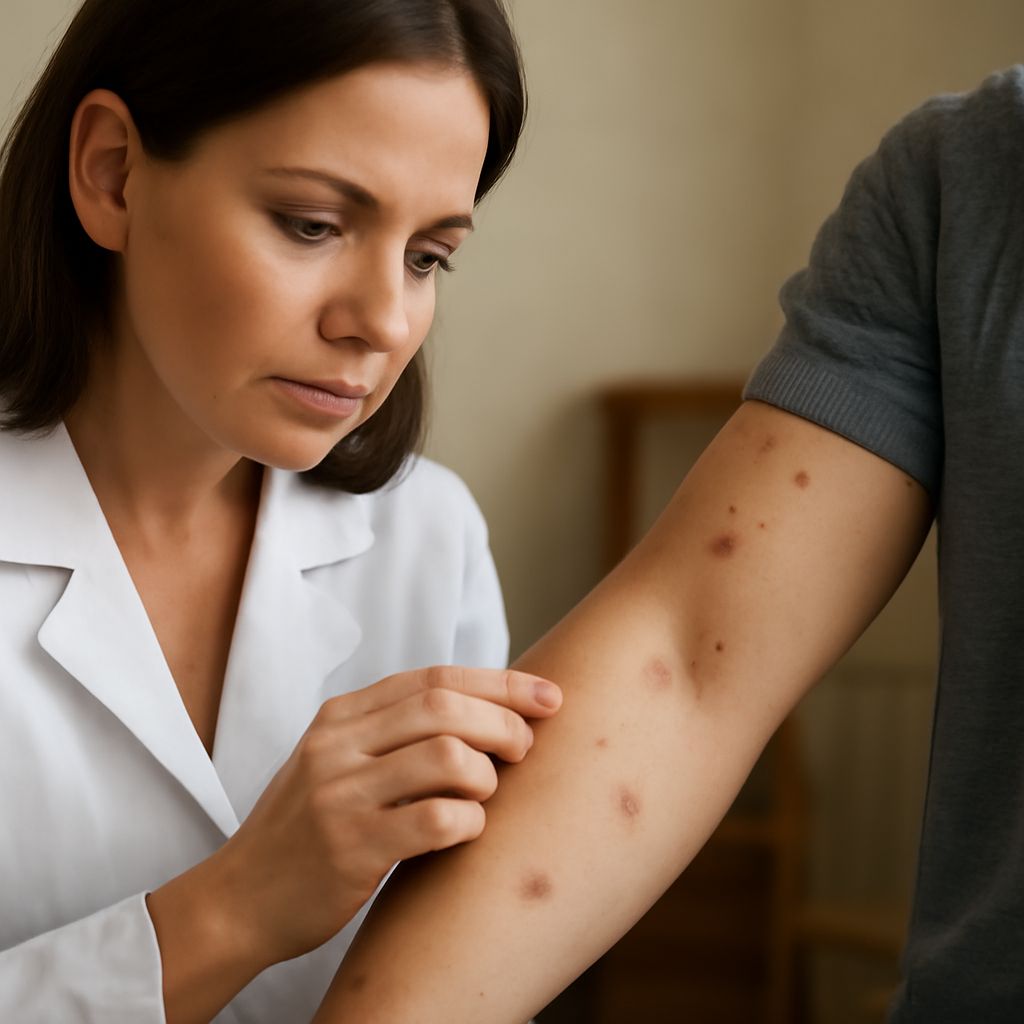
Encountering unfamiliar skin situations such as a white bump on skin, flesh colored bumps, or those elusive bumps under skin forehead can be a cause for concern. Understanding the different types of skin lesions and their causes can provide some peace of mind and guidance when it comes to managing these common skin conditions. This article explores the various types of skin lesions and offers solutions for identifying and addressing them effectively.
What Are the Different Types of Skin Lesions?
Defining Skin Lesions
Skin lesions refer to any abnormal growths or changes in the skin. These may manifest as bumps, patches, or sores, and can vary in color, size, and texture. While some lesions are benign and harmless, others may require medical attention.
Common Types of Skin Lesions
The most common skin lesions include moles, warts, and acne. Moles are generally benign but should be monitored for changes. Warts, caused by a virus, are usually harmless but can be bothersome. Acne, a ubiquitous skin issue, can range from small pimples to severe cysts. Other types of lesions include cysts, keratoses, and skin tags, each with distinct characteristics.
Why Do I Have a White Bump on My Skin?
Causes of White Bumps
A white bump on the skin can be attributed to several causes, including milia, cysts, and certain types of acne. Milia consists of tiny, white, hard bumps, often occurring around the eyes and on the cheeks. Cysts are sac-like pockets filled with fluid or other substances, and can develop under the skin or elsewhere in the body.
Treatment Options
Treating white bumps depends on the underlying cause. Milia commonly resolve on their own, but persistent cases may require a dermatologist’s intervention. Cysts might necessitate draining or removal if they become painful or infected. It’s crucial to avoid picking or squeezing these bumps to prevent infection.
What Causes Flesh Colored Bumps on Skin?
Identifying Flesh Colored Bumps
Flesh-colored bumps can be tricky to identify due to their subtle appearance. They often resemble the skin tone and may include conditions such as skin tags, moles, and seborrheic keratoses. These bumps are generally benign, but monitoring for any changes in size or color is advised.
Common Conditions
Skin tags, or acrochordons, are soft, small growths often appearing on the neck, armpits, or groin. Seborrheic keratoses are benign, wart-like growths that can vary in color. Proper diagnosis from a healthcare provider can ensure these bumps are harmless and not indicative of a more serious condition.
How Can I Identify Bumps Under Skin on Forehead?
Forehead Bumps Explained
Bumps under the skin on the forehead can arise from several factors, including acne, cysts, or lipomas. Acne-related bumps are often linked to hormonal changes or stress, while cysts and lipomas are generally benign growths of fatty tissue.
When to See a Doctor
While many forehead bumps are harmless, persistent or painful bumps should be evaluated by a doctor. If a bump changes in appearance, grows rapidly, or is accompanied by other symptoms like fever or pain, seeking medical advice is essential to rule out infections or other serious conditions.
What Are the Most Common Skin Lesions to Watch For?
Recognizing Common Lesions
Staying vigilant about skin changes involves recognizing common lesions such as moles, warts, and actinic keratoses. Regular skin checks help detect anomalies early, particularly those that could potentially develop into skin cancer, such as melanoma.
Preventive Measures
Preventive measures include using sunscreen, maintaining a healthy diet, and avoiding excessive exposure to environmental pollutants. Regular visits to a dermatologist for skin checks can also aid in early detection and treatment of suspicious lesions.
Key takeaways: Understanding and identifying skin lesions such as white bumps, flesh-colored growths, and bumps under the skin on the forehead are crucial for maintaining skin health. Regular monitoring and consulting with a healthcare provider can help address concerns effectively. Always prioritize skin safety and consult professionals for persistent or concerning skin issues.





Leave a Reply