
Many people notice changes in their skin as they age, including the development of various growths. These skin changes, often referred to as “barnacles,” raise concerns about their nature and whether they may pose any health risks. Understanding the types of skin growths such as raised brown spots, white skin tags, and waxy skin growths can help address these concerns and provide peace of mind. This article will delve into the causes, types, and treatments of these skin growths, offering a comprehensive guide to managing these common issues safely and effectively.
What Are Barnacles on Skin?
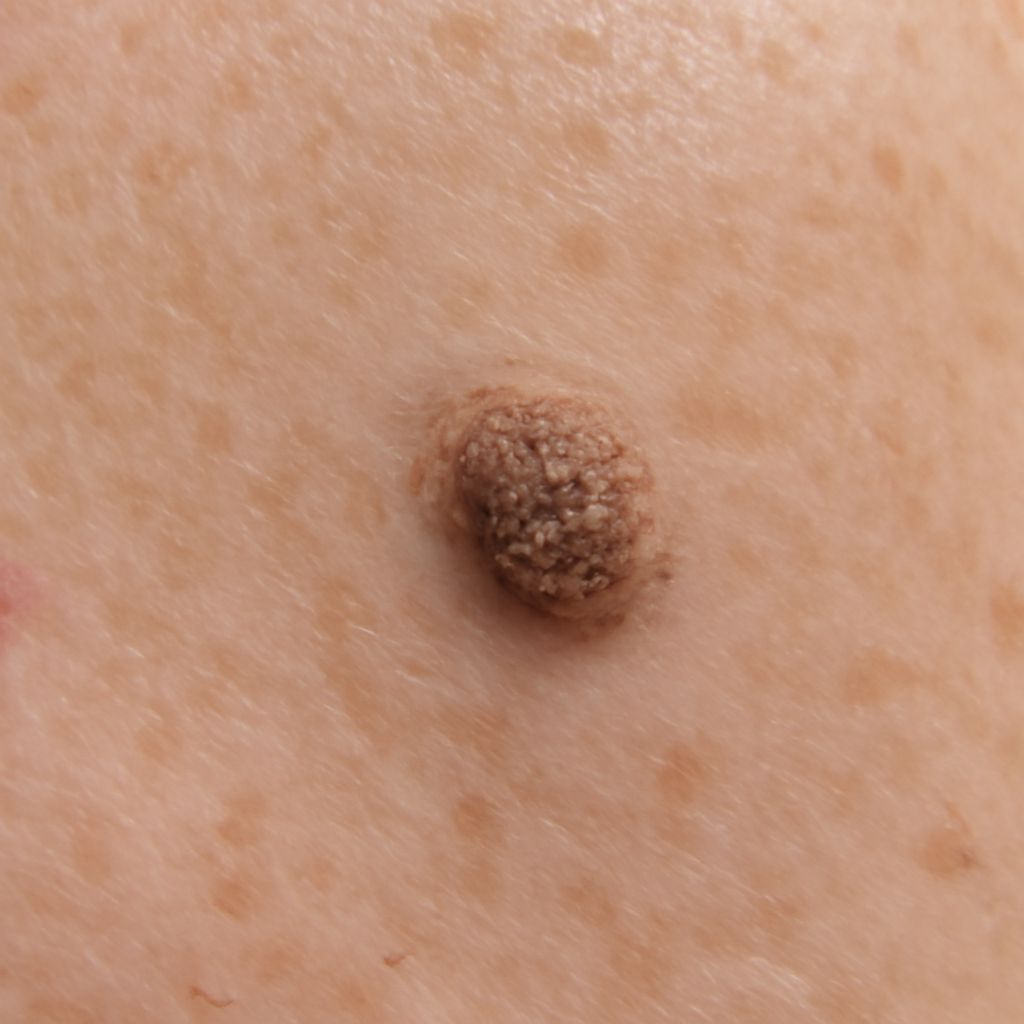
Barnacles on skin, medically known as seborrheic keratoses, are non-cancerous skin growths that appear as people age. These growths are typically brown, black, or light tan and have a waxy, scaly, slightly elevated appearance. They are often mistaken for warts but are generally harmless and primarily a cosmetic concern. Understanding these common growths can alleviate fears and help individuals distinguish between harmless spots and those requiring medical attention.
Are Raised Brown Spots on Skin Dangerous?
Raised brown spots are common and usually harmless, but they can cause distress due to their unappealing appearance. These patches are often seborrheic keratoses or lentigines, both benign in nature. However, it’s crucial to monitor any changes in size, shape, or color, as these could indicate a more serious condition like melanoma. Regular skin checks and awareness of the characteristics of normal versus atypical growths can aid in early detection and treatment of potential skin cancers.
How to Identify a White Skin Tag
White skin tags are small, soft, skin-colored growths that hang off the skin and are typically found on the neck, armpits, and other body folds. They are generally benign and result from skin rubbing against skin. Identifying skin tags is straightforward: they are usually soft to the touch, flesh-toned or slightly lighter, and protrude from the skin on a small stalk. While harmless, they can be removed if they become irritated or for cosmetic reasons.
Understanding Waxy Skin Growths
Waxy skin growths refer to seborrheic keratoses, which are most frequently associated with the term “barnacles.” These growths often have a rough, bumpy texture and a wax-like appearance. They can vary widely in color from light tan to dark brown or black, and their size can range from a fraction of an inch to over an inch across. Although they may look concerning, these growths are typically benign and do not require treatment unless they cause discomfort or cosmetic issues.
Treatment Options for Skin Barnacles and Other Growths
The treatment of skin barnacles and other growths largely depends on the type and associated symptoms. Common methods include cryotherapy, where liquid nitrogen is used to freeze off the growth, and curettage, which involves scraping the growth off the skin’s surface. Electrosurgery can also be employed, utilizing electric currents to remove the growth. It’s important to consult with a healthcare provider to determine the appropriate treatment based on individual cases and to ensure that any procedure is performed safely to prevent infection or scarring.
When to Consult a Dermatologist
It is advisable to consult a dermatologist if skin growths change in appearance, become painful, or show signs of bleeding. Any rapid changes in size or color should also prompt a visit to a healthcare professional, as these could be signs of a more serious condition. Regular skin examinations by a dermatologist can help monitor existing growths and identify new ones that may require further evaluation or treatment. Early consultation can lead to timely diagnosis and management, which is essential for maintaining healthy skin.
Key takeaways: Skin barnacles, including raised brown spots, white skin tags, and waxy growths, are common and often benign. Regular monitoring and consultation with a dermatologist can ensure that any changes are addressed promptly. Treatment options are available for those seeking removal for cosmetic or comfort reasons.



Leave a Reply