
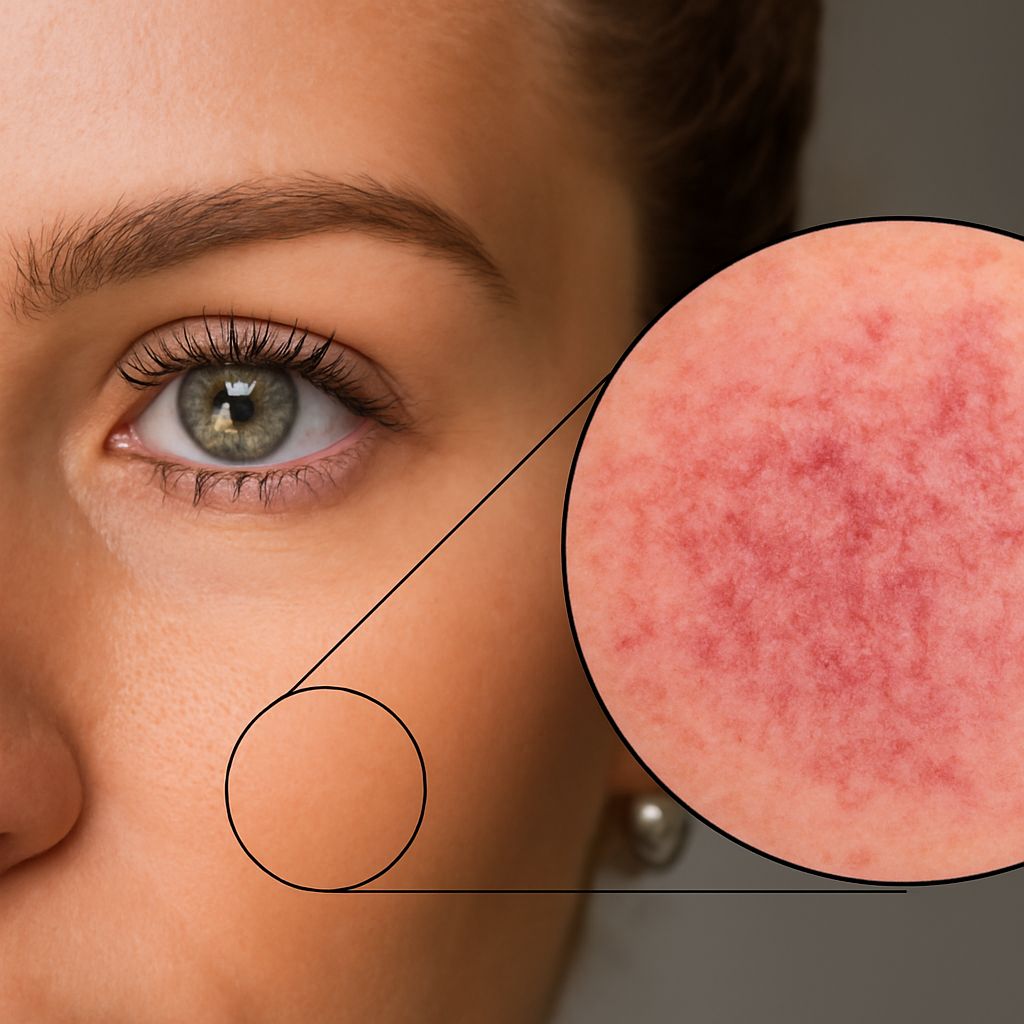
Many of us have looked in the mirror and noticed blotchy skin on our face or random red spots appearing seemingly out of nowhere. This can be concerning and often leaves us searching for answers. The good news is, understanding the underlying causes of these skin issues can lead us to effective solutions. Whether it’s due to environmental factors, lifestyle habits, or underlying health conditions, there are ways to address and improve the appearance of your skin.
In this article, we will explore what causes blotchy skin and random red spots on the skin, how to treat these conditions effectively, and when it might be necessary to seek medical advice. Additionally, we’ll discuss how certain lifestyle changes, like dietary modifications and improved skincare routines, can prevent these issues from recurring.
What Causes Blotchy Skin?
Blotchy skin can result from a variety of factors, ranging from benign to more serious underlying conditions. Commonly, blotchy or uneven skin tone is caused by changes in blood flow or inflammation. Environmental factors, such as sun exposure and harsh weather conditions, can also lead to blotchiness. Allergic reactions to certain skincare products or foods might trigger this condition as well.
Other potential causes include skin conditions such as eczema or rosacea, which can cause redness and patches. Hormonal changes, stress, and even genetics play a significant role in the appearance of blotchy skin. Understanding these triggers can help in choosing the right skincare treatments and preventive measures.
How Can I Treat Random Red Spots on Skin?
Treating random red spots on the skin depends on the underlying cause. For mild cases, over-the-counter products containing ingredients like hydrocortisone can reduce inflammation and redness. Moisturizers designed for sensitive skin can alleviate dryness and irritation, which often accompany red spots.
If the spots are due to an allergic reaction, identifying and avoiding the allergen is crucial. Antihistamines may provide relief in such cases. For conditions like acne or rosacea, specialized topical treatments prescribed by a dermatologist can help manage symptoms effectively.
Incorporating a consistent skincare routine that includes gentle cleansing and adequate sun protection is important. Consider using products with soothing ingredients such as aloe vera, chamomile, or green tea. These can calm irritated skin and reduce the appearance of redness over time.
When Should You Seek Medical Advice for Blotchy Skin on Face?
While many instances of blotchy skin can be managed with home care, there are occasions when it is advisable to seek medical advice. If you experience persistent or worsening symptoms, or if the skin condition is accompanied by pain or fever, it is best to consult a healthcare professional.
Particularly concerning signs include sudden changes in skin appearance, the development of blisters or open sores, or any symptoms that do not respond to over-the-counter treatments. A dermatologist can provide a comprehensive evaluation and recommend appropriate treatment options based on your specific skin condition.
Can Lifestyle Changes Help Prevent Blotchy Skin?
Dietary Modifications
Your diet can have a significant impact on your skin’s health. Consuming a balanced diet rich in antioxidants, vitamins, and minerals can support skin resilience and healing. Foods high in omega-3 fatty acids, such as salmon and flaxseeds, can reduce inflammation and promote a healthier complexion. Staying hydrated is equally important, as proper hydration helps maintain skin elasticity and clarity.
Skincare Routine
A well-planned skincare routine is essential for preventing blotchy skin. Start with a gentle cleanser that doesn’t strip your skin of its natural oils. Exfoliating once or twice a week can remove dead skin cells and promote even skin tone, but be careful not to overdo it, as this can cause irritation. Always follow up with a moisturizer suitable for your skin type.
Daily sun protection is a must. Use a broad-spectrum sunscreen with at least SPF 30, even on cloudy days, to protect your skin from UV rays that can exacerbate blotchiness. Additionally, using products with active ingredients such as niacinamide or vitamin C can brighten the skin and reduce discoloration.
Stress Management
Stress has a direct impact on your skin health, often exacerbating conditions like rosacea and eczema. Incorporating stress management techniques, such as yoga, meditation, or regular physical exercise, can help maintain a clear and healthy complexion. Prioritizing good sleep hygiene also supports skin renewal and repair.
In summary, addressing blotchy skin involves a combination of understanding the underlying causes, applying effective treatments, and making thoughtful lifestyle adjustments. By doing so, you can achieve a healthier and more even skin tone.
Safety Recap: When using skincare products or tools, always conduct a patch test to ensure compatibility with sensitive skin. Seek professional advice if symptoms persist or worsen, as certain conditions may require specialized treatments.





Leave a Reply