
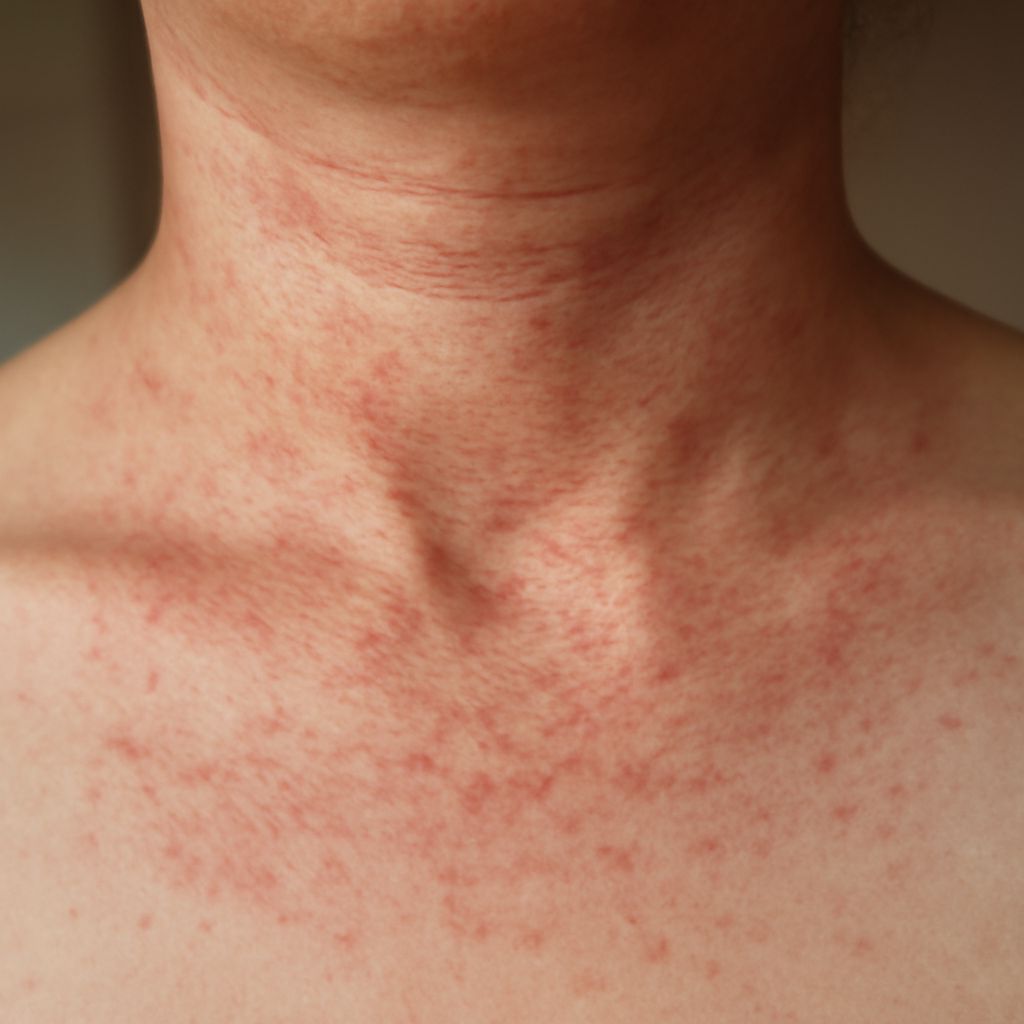
Experiencing itchy skin with no rash can be puzzling and discomforting, leading many to search for explanations and solutions. While a visible rash often accompanies skin itching, there are instances where the itchiness persists without any noticeable changes to the skin’s surface. In such cases, understanding the potential causes and finding effective remedies becomes crucial. This article will explore the underlying factors and provide practical advice for those dealing with this often perplexing condition.
What Does It Mean to Have Itchy Skin with No Rash?
Itchy skin without a visible rash is a condition that can be both frustrating and worrying. Typically, an itch is a body’s response to an irritant or underlying condition, signaling the need to investigate further. However, when itching occurs in the absence of any discernible rash, it can indicate a variety of potential causes that require careful examination.
What Are the Common Causes of Itchy Skin?
Several factors can contribute to itchy skin, even when a rash is not present. Environmental factors such as dry air, especially during winter, can lead to skin dehydration, causing itchiness. Allergens, present in soaps or detergents, can also trigger itchiness without visible signs. Additionally, stress and anxiety are known to exacerbate itching sensations, often making them feel more intense.
On a physiological level, hormonal changes, especially in women during pregnancy or menopause, can lead to alterations in skin sensitivity. Furthermore, certain medications might have itching as a side effect, necessitating a review of any recent prescriptions if itchiness persists without a rash.
How Can Itchy Skin Occur Without a Rash?
Itching that manifests without a rash can occur due to several non-visible factors. Sometimes, the nerves beneath the skin become activated without an external irritant or injury. This condition, known as neuropathic itch, is often due to nerve disorders or damage. Additionally, the skin’s natural barrier function can be compromised by environmental or internal factors, leading to a sensation of itchiness without any apparent change in appearance.
What Internal Conditions Can Lead to Itching Under the Skin?
Internal health issues can be significant contributors to itchiness beneath the skin’s surface. Conditions such as liver disease, kidney failure, or thyroid problems can manifest as itchy skin, often without a rash. These medical conditions alter the body’s internal processes, leading to systemic itching that requires professional medical evaluation.
Moreover, deficiencies in certain vitamins and minerals, such as iron or B12, can also contribute to the sensation of itchiness. In some cases, systemic diseases like diabetes can cause neuropathic itch due to nerve damage associated with the condition.
How to Find Relief for Itchy Skin with No Rash
Finding relief from itchy skin, especially when there’s no rash, involves a combination of self-care and professional assessment. First and foremost, maintaining skin hydration is crucial. Applying a high-quality moisturizer regularly can prevent the skin from drying out, reducing itchiness. Opt for fragrance-free products to minimize the risk of allergic reactions.
For those with persistent itchiness, consider using anti-itch creams or lotions containing ingredients like menthol or calamine, which have a soothing effect. Over-the-counter antihistamines can also provide relief by reducing the body’s histamine response, although they should be used cautiously and according to medical advice.
In cases where itchiness persists or is accompanied by other symptoms, seeking medical advice is recommended. A healthcare professional can conduct necessary tests to identify any underlying medical conditions contributing to the itch and provide appropriate treatment options.
Safety recap: When addressing itchy skin, especially without a rash, it is crucial to avoid over-scratching, which can damage the skin and lead to infections. Additionally, those with skin sensitivities should test new products on a small skin area before full application. Seek professional advice for persistent symptoms to ensure proper care and intervention.



Leave a Reply