
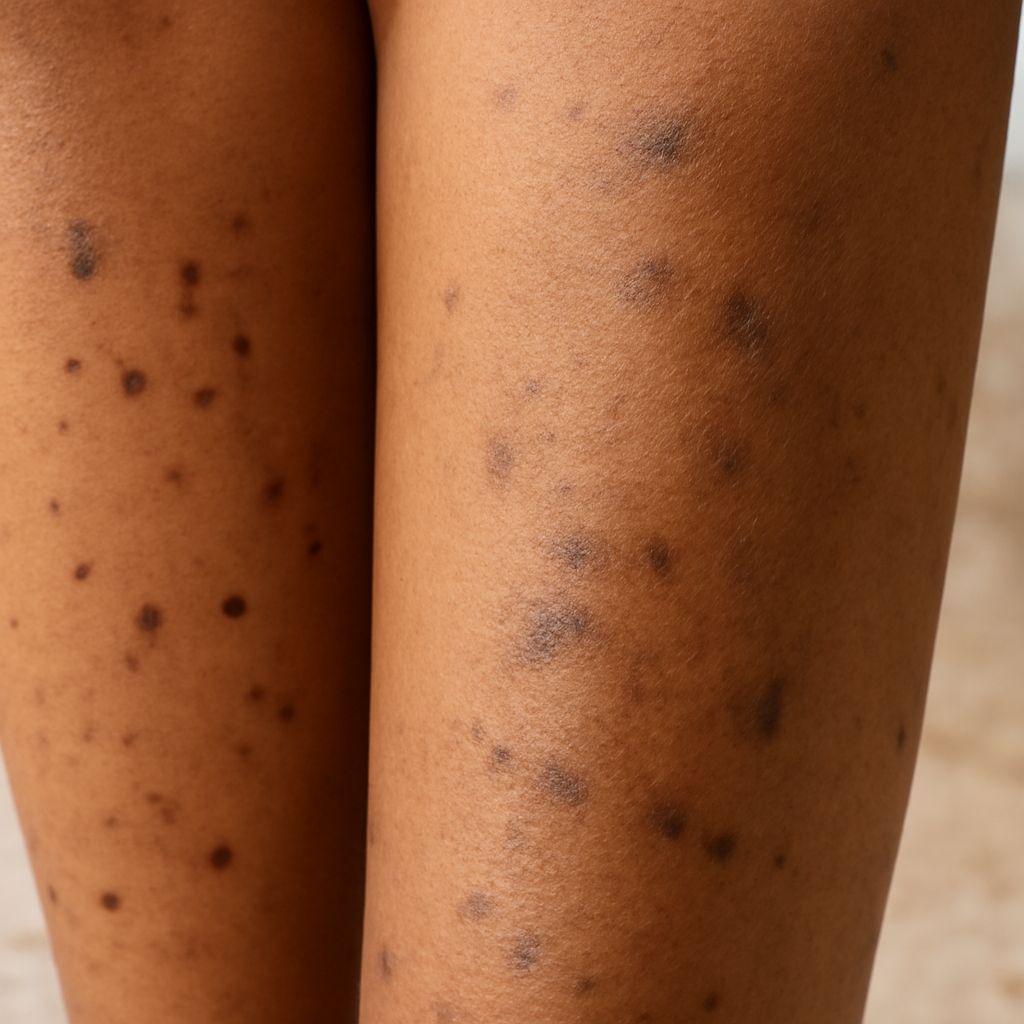
Brown spots on the skin, often referred to as hyperpigmentation, can be a source of concern for many. These dark skin spots can appear due to various reasons, ranging from harmless sun exposure to more serious underlying health issues. Understanding the causes and available treatments for these spots is essential for maintaining healthy skin. This article will explore what causes brown spots on the skin and how you can effectively prevent and treat them, ensuring your skin remains vibrant and healthy.
What Are Brown Spots on Skin?
Brown spots on the skin, also known as age spots, liver spots, or sun spots, are flat, rounded patches of skin that can vary in color from light brown to dark brown. They commonly appear on areas of the skin that receive the most sun exposure, such as the face, hands, shoulders, and arms. While these spots are typically harmless, their sudden appearance can be alarming, prompting individuals to seek out their causes and potential solutions.
What Causes Brown Spots on Skin?
The primary cause of brown spots is prolonged exposure to ultraviolet (UV) light, which accelerates the production of melanin in the skin. Over time, excessive sun exposure can lead to the formation of these dark spots as clusters of melanin become more concentrated. Additionally, factors such as aging, hormonal changes, and certain medications can increase melanin production, leading to the development of brown spots. Genetics also play a role, as some individuals are more prone to hyperpigmentation than others.
Are Brown Spots on Skin a Cause for Concern?
In most cases, brown spots on the skin are not a cause for concern and are primarily a cosmetic issue. However, it is essential to monitor these spots for any changes in size, shape, or color, as these could be signs of skin cancer, specifically melanoma. If a spot appears unusual or changes over time, it is crucial to seek a professional evaluation to rule out any serious conditions. Early detection of skin cancer is vital for effective treatment.
How Can You Prevent Brown Spots on Skin?
Preventing the formation of brown spots involves a proactive approach to skincare. The most effective prevention method is protecting your skin from UV exposure by using a broad-spectrum sunscreen with an SPF of at least 30. Wearing protective clothing, such as hats and long sleeves, and avoiding the sun during peak hours can also reduce your risk. Additionally, incorporating antioxidants into your skincare routine can help protect your skin from environmental damage, further preventing hyperpigmentation.
What Are the Treatment Options for Dark Skin Spots?
Various treatment options are available to reduce the appearance of dark skin spots. Topical treatments containing ingredients like hydroquinone, retinoids, or vitamin C can lighten spots over time. For more stubborn spots, dermatologists may recommend procedures such as chemical peels, microdermabrasion, or laser therapy, which can effectively target and reduce pigmentation. It is important to tailor treatments to your skin type and condition, and consulting with a skincare professional can help determine the best approach for you.
When Should You Consult a Dermatologist?
Consulting a dermatologist is essential if you notice any sudden changes in your brown spots or if they become painful or irritated. A dermatologist can provide a thorough examination and recommend the most appropriate treatment options. Additionally, if over-the-counter treatments are ineffective, professional advice can help explore alternative therapies. Regular check-ups with a dermatologist are also advisable for maintaining overall skin health and monitoring any new developments on your skin.
Key takeaways: Brown spots on the skin, primarily caused by sun exposure, are usually harmless but can be monitored for changes. Preventative measures like sunscreen can help, while various treatment options are available for reducing existing spots. Consult a dermatologist for any concerning changes or for tailored treatment plans.





Leave a Reply