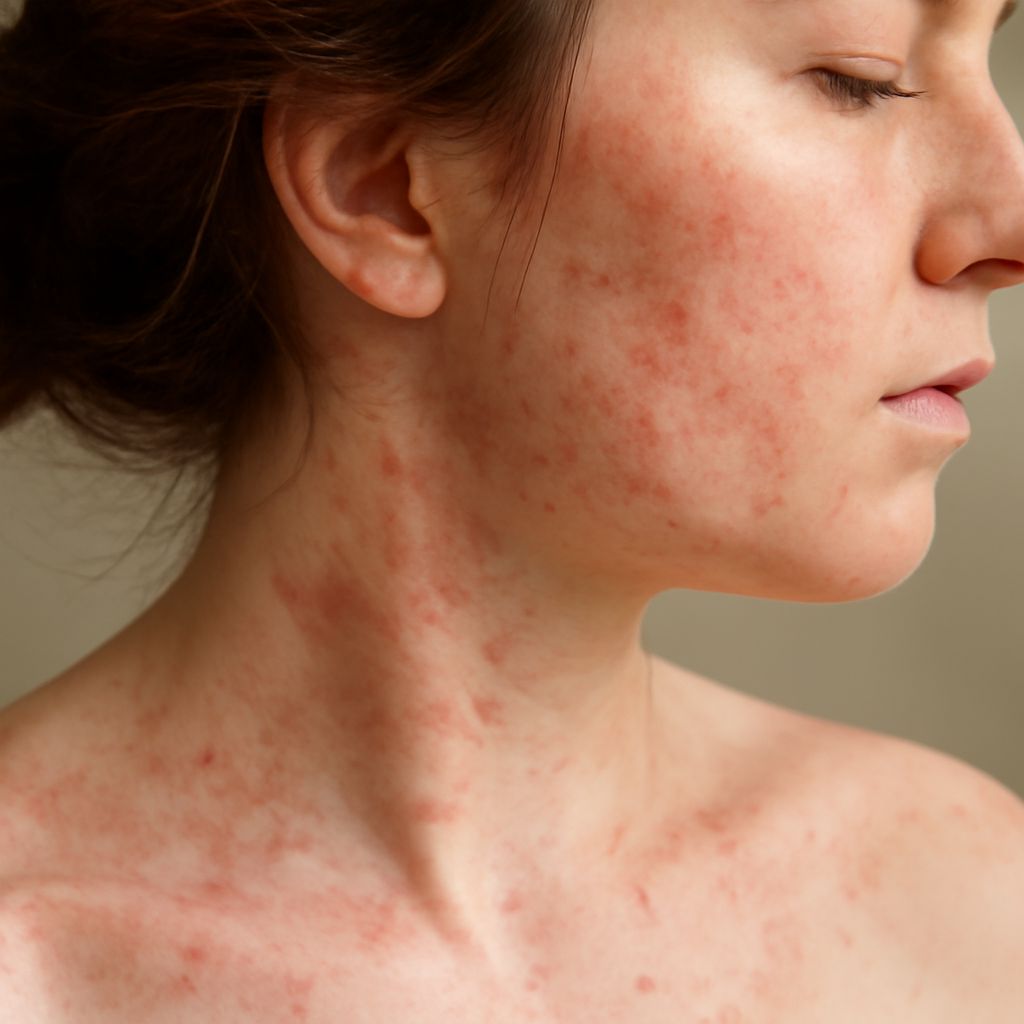
Skin rashes are a common dermatological concern that can arise from a variety of underlying conditions. For many individuals, identifying the exact cause of a skin rash can be challenging without the help of visual aids or expert advice. Thankfully, skin rashes images can serve as a practical resource for recognizing and understanding these conditions. By examining pictures of skin rashes, individuals can better pinpoint the nature of their symptoms and seek appropriate treatment. This guide explores hormonal skin rash pictures and menopause skin rash pictures to enhance understanding and support effective decision-making.
What Are Common Skin Rashes?
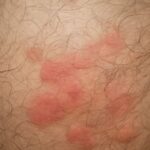
Rashes can present in numerous forms, each with distinct characteristics. Some of the most prevalent types include eczema, psoriasis, hives, and allergic reactions. Eczema often leads to itchy, inflamed patches of skin, while psoriasis can cause red, scaly plaques. Hives, typically triggered by allergens, manifest as raised, itchy welts. Allergic reactions can cause a variety of symptoms, from mild redness to severe blistering. Understanding these common rashes can aid in determining whether a rash requires professional evaluation or can be managed with over-the-counter remedies.
How to Identify Skin Rashes Using Images?
Identifying skin rashes using images involves comparing personal symptoms with visual examples. This practice is particularly useful when different rashes exhibit similar characteristics. For instance, images can help differentiate between heat rashes and contact dermatitis, which may appear alike but stem from different causes. It’s crucial to use reliable sources when seeking out pictures of skin rashes, ensuring that the images accurately represent the condition and are accompanied by professional descriptions. Skin rashes images provide a visual reference that can simplify the process of identification and facilitate informed healthcare decisions.
What Do Hormonal Skin Rashes Look Like?
Hormonal changes can significantly impact the skin, leading to various rashes. Hormonal skin rash pictures typically showcase conditions like acne, which can erupt during periods of hormonal fluctuation such as puberty, menstruation, and pregnancy. These rashes often appear as pimples, cysts, or nodules, primarily on the face, back, and chest. In some cases, hormonal imbalances may result in conditions like melasma, characterized by dark, discolored patches on the skin. By examining these images, individuals can better understand the influence of hormones on skin health and seek appropriate treatments that address the hormonal component.
How Are Menopause Skin Rashes Different?
Menopause brings about significant physiological changes, often affecting skin health. Menopause skin rash pictures may reveal conditions distinct from those related to other hormonal changes. The following sections explore the causes and treatments of menopause-associated rashes:
What Causes Menopause Skin Rashes?
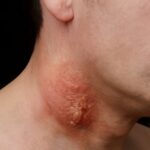
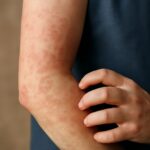
The hormonal shifts during menopause can lead to various skin issues. A decrease in estrogen levels often results in drier, thinner skin, which is more prone to irritation and rashes. These rashes might appear as rough patches or red, flaky areas, commonly affecting the face, neck, and limbs. Women going through menopause may also experience an increase in sensitivity to products or environmental factors, exacerbating these skin conditions. Understanding the causes can aid in managing symptoms effectively.
How Can You Treat Menopause-Related Rashes?
Managing menopause-related skin rashes typically involves addressing the root hormonal imbalance. Treatments may include hormone replacement therapy (HRT) to help stabilize estrogen levels. Additionally, maintaining skin hydration through emollient-based moisturizers is crucial. Using gentle, hypoallergenic skin care products can prevent further irritation. If over-the-counter solutions prove insufficient, consulting a dermatologist for tailored treatment options is advisable. Regular monitoring and proactive care can significantly improve skin condition during menopause.
When to Seek Medical Advice for Skin Rashes?
While many rashes are benign and resolve with simple interventions, certain situations warrant professional medical advice. Persistent rashes that do not improve with at-home care, or those accompanied by severe symptoms such as pain, swelling, or fever, should prompt medical consultation. Likewise, if a rash rapidly spreads or is suspected to result from an allergic reaction, seeking immediate attention is recommended. A healthcare provider can offer a precise diagnosis and recommend appropriate treatments, ensuring that any underlying health issues are addressed.
Key takeaways: Understanding and identifying skin rashes through visual aids can significantly enhance self-awareness and treatment efficacy. Hormonal and menopause-related rashes have unique characteristics and require targeted approaches for management. Always seek professional advice when in doubt, especially if symptoms persist or worsen.
Safety note: If skin irritation occurs while using any topical treatments, discontinue use and consult a healthcare professional to prevent further complications.
Leave a Reply