
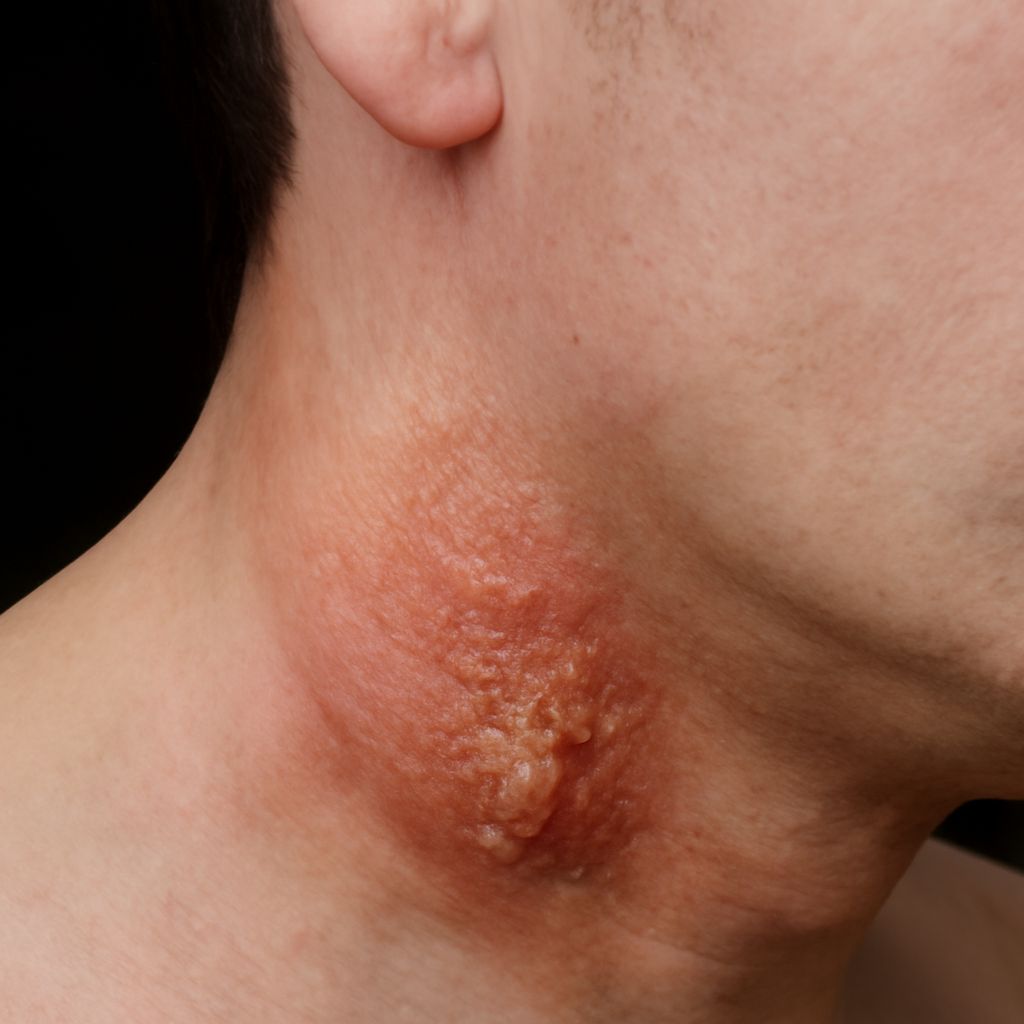
Boils on the skin are a common yet often misunderstood condition that can cause significant discomfort and concern. These painful lumps, often filled with pus, can appear on various parts of the body and are usually caused by bacterial infections. Understanding what causes boils on the skin and how to manage them effectively is crucial for maintaining healthy skin and preventing complications.
In this article, we will explore the causes, symptoms, and treatment options for boils. Whether you’re dealing with a single boil or multiple small boils on the skin, our guide will help you navigate this common skin condition safely and effectively.
What Is a Boil on Skin?
A boil, medically known as a furuncle, is a deep folliculitis, an infection of the hair follicle. It presents as a painful, swollen bump on the skin, often with a white or yellow center due to pus accumulation. Boils can appear anywhere on the body but are most commonly found on the face, neck, armpits, shoulders, and buttocks. They begin as small, red, tender lumps and can grow to the size of a golf ball in severe cases.
What Causes Boils on the Skin?
Boils are primarily caused by the bacterium Staphylococcus aureus, which commonly resides on the skin surface and inside the nose. When this bacterium infects a hair follicle or oil gland, it can lead to the formation of a boil. Various factors can increase the likelihood of developing a boil, including poor hygiene, cuts or abrasions on the skin, and a weakened immune system. Additionally, conditions like diabetes and skin conditions such as eczema can make individuals more susceptible to boils.
How to Identify Small Boils on Skin?
Small boils on the skin can be identified by their distinct characteristics. Initially, they may appear as small, red, and tender lumps. Over time, these lumps grow larger and become more painful. The center of a boil may turn white or yellow as pus accumulates under the skin. Unlike pimples, boils are generally larger, more painful, and deeper in the skin. If you notice these signs, it’s crucial to monitor the boil for any signs of spreading or worsening symptoms.
What Are the Symptoms of Skin Boils?
Symptoms of boils include a painful, swollen lump on the skin, redness, and warmth around the affected area. As the infection progresses, the center of the boil may fill with white or yellow pus, becoming more painful. In some cases, boils may be accompanied by fever and swollen lymph nodes. If several boils merge, this condition is called a carbuncle, which can lead to more severe symptoms and may require medical intervention.
How to Treat and Prevent Boils on Skin?
Effective treatment and prevention of boils involve a combination of proper hygiene and medical care. To treat a boil, apply warm compresses several times a day to help it drain naturally. Avoid squeezing or popping the boil, as this can spread the infection. Over-the-counter pain relievers can help manage discomfort. If a boil does not improve within a few days or if you have recurring boils, consult a healthcare professional for further evaluation and treatment, which may include antibiotics.
Preventing boils involves maintaining good skin hygiene, keeping wounds clean and covered, and managing underlying health conditions such as diabetes. Additionally, avoiding sharing personal items like towels and razors can reduce the risk of infection.
When to Seek Medical Attention for Skin Boils?
While many boils resolve on their own, some situations warrant medical attention. If a boil is extremely painful, persists for more than two weeks, or is accompanied by a fever, it’s essential to seek medical help. Additionally, if you notice red streaks spreading from the boil, or if you have boils that frequently recur, a healthcare professional should evaluate your condition to prevent further complications.
Safety Recap: If you utilize sharp tools for boil drainage or have sensitive skin, exercise caution and seek professional guidance. Avoid self-treatment that may exacerbate the condition. Always prioritize safety when managing skin health issues.


Leave a Reply