
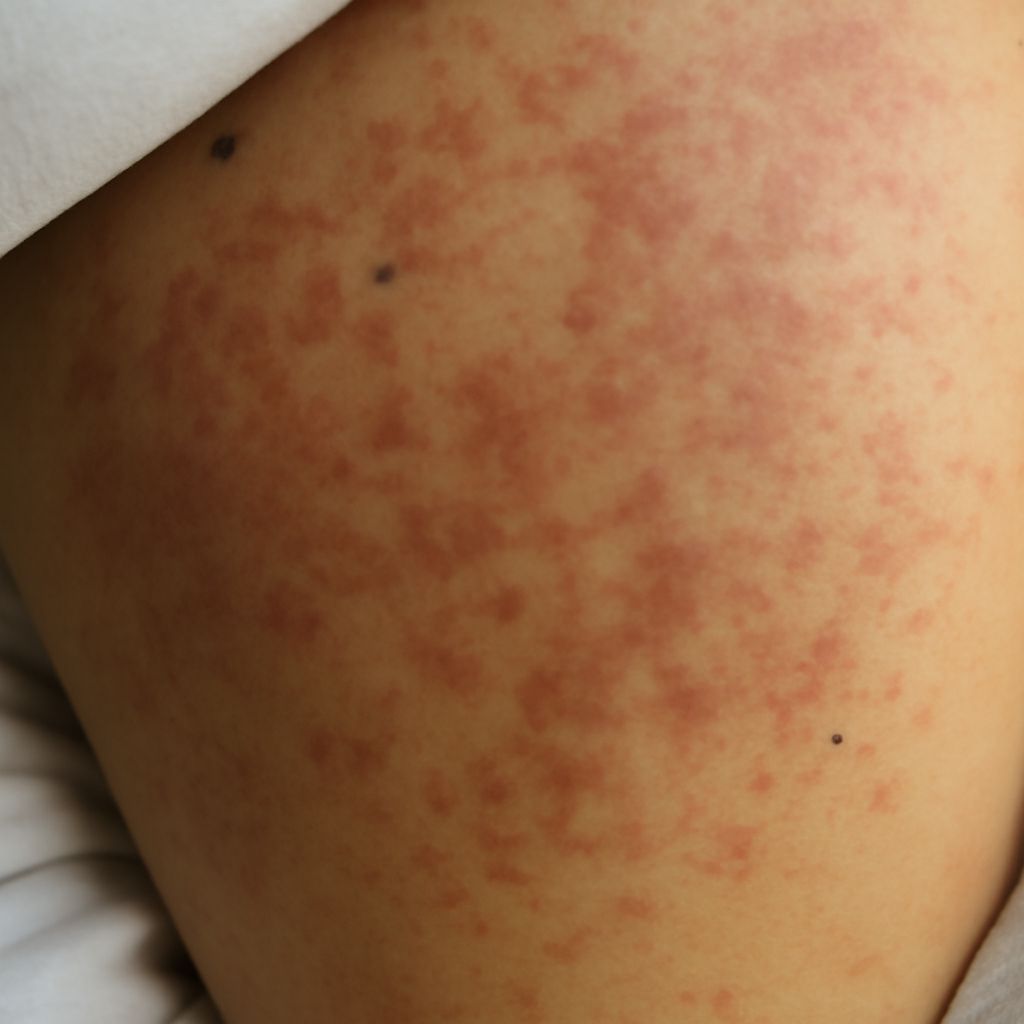
Skin changes can be alarming, especially when unfamiliar red spots appear. While some red spots on skin might not be itchy, they can still be a cause for concern. These spots, ranging from tiny red dots to little red spots, can stem from various conditions. Understanding their causes is essential for determining the best approach to treatment and easing any concerns.
Identifying and addressing red spots on the skin involves understanding the potential underlying causes. This article will explore the different types of red spots, why they may occur without itching, and when it’s essential to seek medical advice. By delving into the reasons behind these skin changes and the available remedies, you can gain a clearer understanding of how to manage them effectively.
What Are Red Spots on Skin?
Red spots on skin can vary widely in appearance and significance. They might appear as small red dots, slightly raised bumps, or flat marks. These spots can be symptoms of various skin conditions, ranging from benign to more serious health issues. While the appearance of red spots can be alarming, they are often not dangerous and may resolve on their own.
It is crucial to consider other factors such as size, distribution, and any accompanying symptoms to better understand what these red spots might indicate. In some cases, they might be a simple result of skin irritation or an allergic reaction, while in others, they may signal an underlying health condition that requires attention.
Why Are There Red Spots on Skin Not Itchy?
Not all red spots on skin cause itching, and understanding why some are itch-free can provide insight into their nature. These non-itchy red spots may be due to a variety of reasons, including petechiae, which are small blood vessels breaking under the skin, or purpura, resulting from blood leaking into the skin. Both conditions result in red or purple spots and are often not accompanied by itching.
In addition, certain vascular conditions can lead to red spots without itching. Cherry angiomas, for example, are common in older adults and appear as small red or purple bumps that are typically harmless and itch-free. Understanding these causes helps in managing expectations and determining if further medical evaluation is necessary.
What Causes Tiny Red Dots on Skin?
Tiny red dots on skin, often referred to as petechiae, can arise from various causes. These minute specks result from bleeding or leakage under the skin, often due to physical trauma, such as excessive scratching or pressure, or medical conditions that affect blood clotting.
Other potential causes include viral infections that affect platelet levels in the blood, allergic reactions, or conditions like vasculitis, which involves inflammation of blood vessels. While these dots can be concerning, they are generally benign unless accompanied by other worrying symptoms like fever or unexplained bruising.
How to Identify Little Red Spots on Skin?
Distinguishing little red spots on skin involves observing their characteristics. Factors such as the size, shape, and distribution of the spots, along with any additional symptoms, can provide valuable clues. Spots that remain unchanged over time and are not accompanied by other symptoms are typically less concerning.
Performing a simple glass test can help in identifying these spots. Pressing a glass against the skin can reveal whether the spots blanch under pressure. If they do not blanch, they might be due to bleeding beneath the skin, indicating a need for further investigation. In any case, documentation through photographs can assist healthcare providers in making an accurate diagnosis.
When Should You See a Doctor?
While many red spots on skin are harmless, certain signs necessitate professional medical evaluation. If the spots are accompanied by symptoms like fever, significant bruising, or if they begin to spread rapidly, it’s crucial to seek medical advice. Additionally, if you notice any changes in size, color, or shape, or if the spots do not fade after a few weeks, a healthcare provider should be consulted.
Understanding when to seek medical help ensures potential underlying conditions are promptly addressed. A healthcare professional can evaluate whether these spots are indicative of a more serious issue and recommend appropriate treatment.
How to Treat Red Spots on Skin?
Treating red spots on skin largely depends on the underlying cause. For benign causes, such as cherry angiomas or friction rubs, no treatment may be necessary unless for cosmetic concerns. In cases where treatment is desired, options like laser therapy or cryotherapy can be considered under a dermatologist’s guidance.
Managing red spots due to irritation or allergic reactions may involve topical treatments, such as hydrocortisone creams, which can reduce inflammation and soothe the skin. Ensuring proper skincare routines and avoiding known allergens can prevent future occurrences.
If the red spots are symptoms of an underlying condition, such as a blood disorder or infection, treatment will focus on addressing the primary issue. It is essential to follow a healthcare provider’s advice and adhere to prescribed treatments to effectively manage the condition.
Pro Tips Recap: Identifying and addressing red spots on skin involves understanding their potential causes. While many are benign and not itchy, observing changes and accompanying symptoms is crucial. Seek medical advice if unsure or if additional symptoms arise. For treatment, consider the underlying cause and consult healthcare professionals when necessary. Always prioritize safe practices, especially when dealing with skin sensitivities.




Leave a Reply