
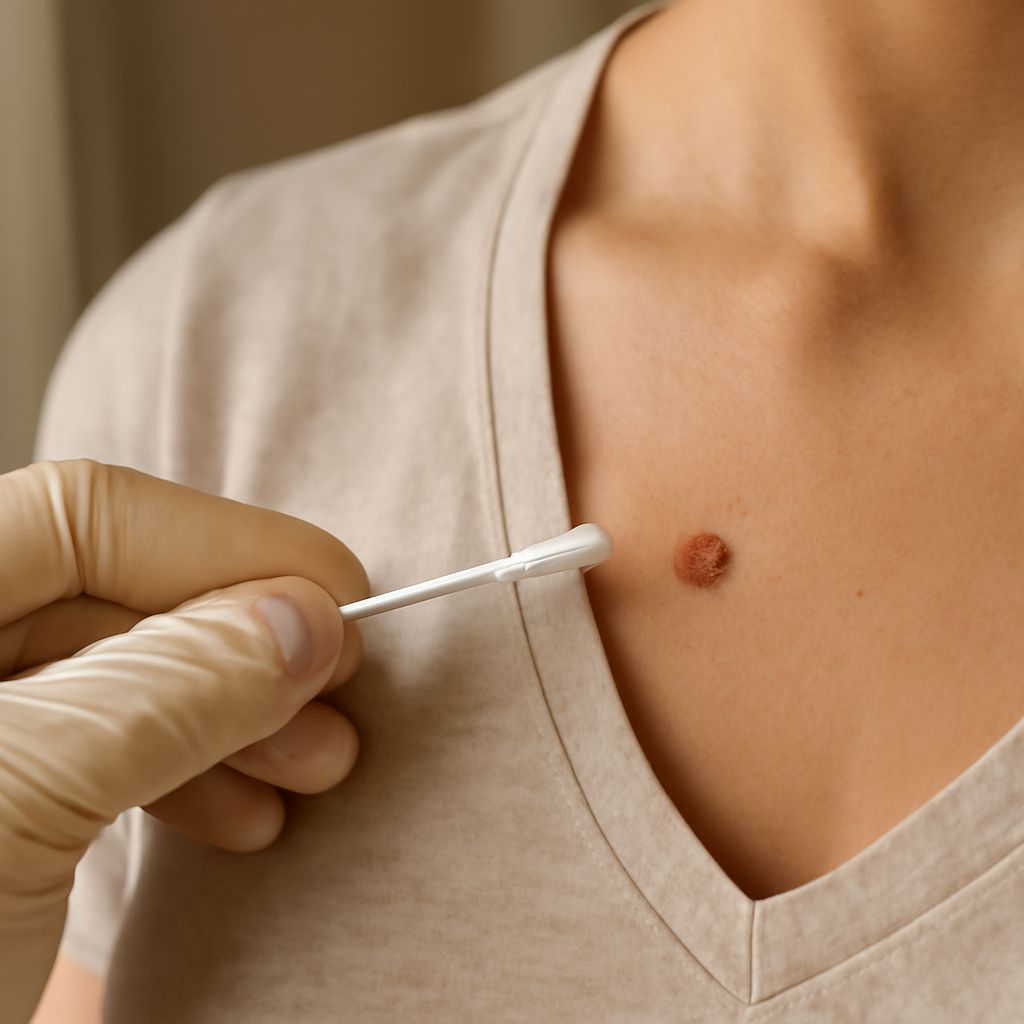
Skin tags are small, benign growths that often appear in areas where the skin folds, such as the neck, armpits, and groin. Though harmless, skin tags can be a source of aesthetic concern for many. Fortunately, there are various ways to address these pesky growths, ranging from simple home remedies to professional treatments. This article explores what causes skin tags, whether they pose any health risks, and how you can effectively, and safely, remove them.
Introduction to Skin Tags
Skin tags, medically known as acrochordons, are small, soft pieces of skin that protrude from the surface. These growths are incredibly common and can occur in both men and women. While they are generally harmless, the aesthetic or physical discomfort they cause can prompt individuals to seek removal options. Understanding the root causes of skin tags and how to effectively address them can help demystify these skin anomalies.
What Causes Skin Tags?
The exact cause of skin tags is not entirely understood, but several factors are believed to contribute to their development. Friction appears to be a significant component, as skin tags often develop in areas where skin rubs against skin or clothing. Hormonal changes, particularly during pregnancy, can also stimulate their growth. Additionally, genetics may play a role, as some individuals are more predisposed to developing skin tags than others. Obesity and insulin resistance are other contributing factors, making it more likely for skin tags to occur in those populations.
Are Skin Tags Bad for Your Health?
One of the most common questions people have is whether skin tags are harmful. In most cases, skin tags are completely benign and pose no health risks. They do not become cancerous and usually don’t cause any pain unless irritated by friction or rubbing. However, if you notice any changes in color, size, or shape, it is advisable to consult a dermatologist to rule out other potential skin conditions.
How Do You Get Rid of Skin Tags?
Home Remedies
There are several home remedies that people use to remove skin tags. One popular method involves tying dental floss tightly around the base of the tag to cut off its blood supply, resulting in it eventually falling off. Apple cider vinegar is another home solution, as its acidity can help dry out the tag. However, these methods can take time and aren’t guaranteed to work for everyone.
Professional Treatments
For those seeking faster and more reliable results, professional treatments are available. Dermatologists can remove skin tags using different techniques, such as cryotherapy (freezing them off), cauterization (burning them off), or surgical excision. These methods are generally quick, effective, and performed in a controlled medical setting, minimizing the risk of infection or complications.
How to Remove Skin Tags Safely
Safety is paramount when removing skin tags, particularly if you opt for a home remedy. Ensure the area is clean and sterilized before attempting any removal. Avoid using sharp tools to cut the skin tag off, as this can lead to bleeding and infection. If in doubt, consulting a healthcare professional not only ensures the safe removal of the skin tag but also provides peace of mind.
Preventing Skin Tags in the Future
While you cannot entirely prevent skin tags, you can reduce your risk by managing contributing factors. Maintaining a healthy weight can minimize skin folds and reduce the friction that often leads to skin tag formation. Wear loose-fitting clothing to avoid excessive rubbing, and keep your skin clean and dry. If you notice the early development of skin tags, addressing them promptly can prevent their growth.
Conclusion
Skin tags are a common, harmless skin condition that many people experience. Understanding what causes them and whether they pose any health risks can help guide your decision on how to address them. From simple home remedies to professional treatments, there are various options available for those looking to remove skin tags. Always prioritize safety, especially when considering at-home methods, and consult a medical professional when needed.
Safety Recap: If using sharp tools or chemical solutions at home, ensure the area is sterilized to prevent infections. Always consult a dermatologist if you are uncertain about the procedure or notice changes in the tags.





Leave a Reply