
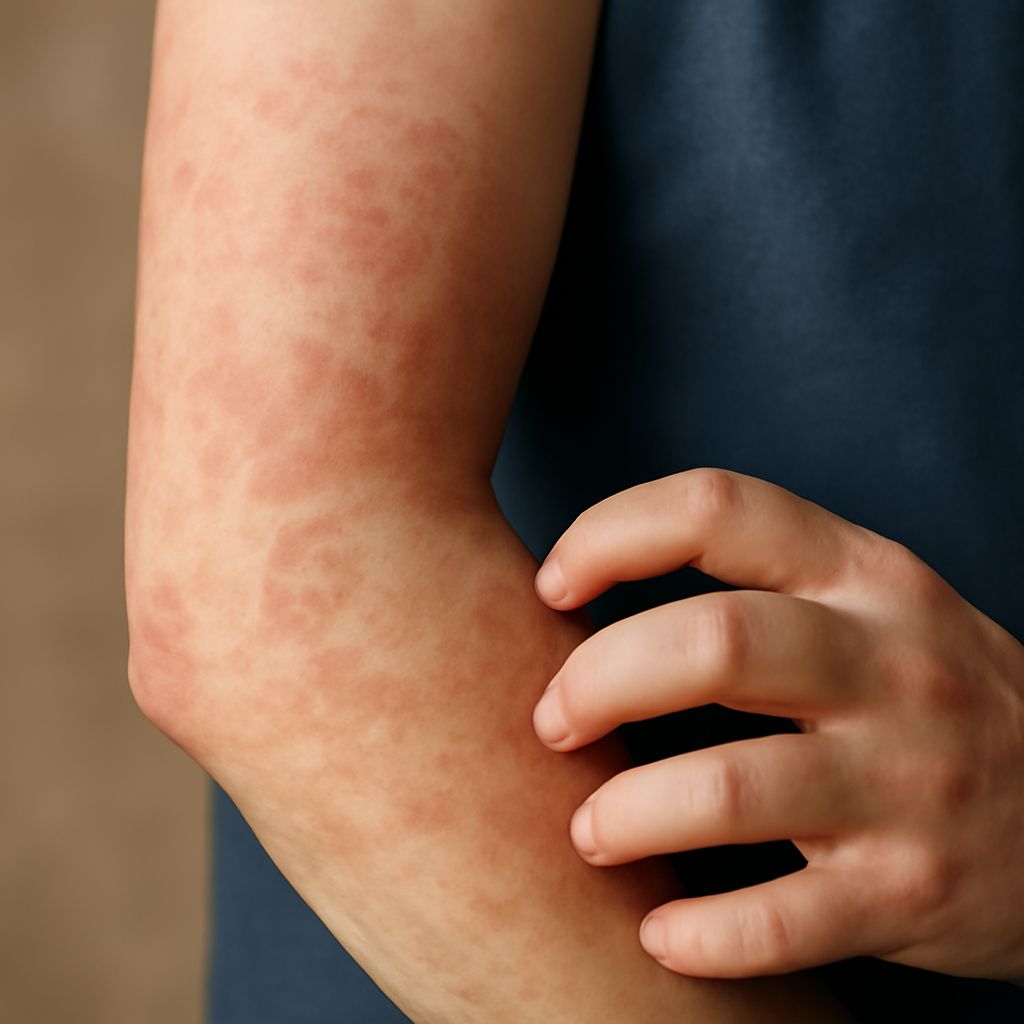
Experiencing itchy welts on skin can be distressing and uncomfortable. Often, these welts appear in the form of hives, a skin condition that can arise suddenly and cause intense itching. While it might be overwhelming to deal with these outbreaks, understanding what triggers hives on skin can lead to effective management and treatment. In this article, we will explore the root causes of itchy welts, how to identify them, and methods for alleviating their discomfort.
What Are Hives on Skin?
Hives, medically known as urticaria, are raised, itchy welts that form on the skin. These welts may vary in size and can appear anywhere on the body. Typically, hives are red or skin-colored and can last from just a few hours to several days. The condition is a result of an allergic reaction, where the body releases histamine, causing blood vessels to leak and leading to swelling and irritation.
What Causes Itchy Welts on Skin?
The primary cause of itchy welts, or hives, is the body’s reaction to allergens or irritants. When exposed to a trigger, the immune system releases chemicals like histamine into the bloodstream, leading to the characteristic swelling and itching. While allergens are a common cause, other factors such as stress, infections, and environmental changes can also lead to the development of hives on skin.
How to Identify Hives on Skin
Identifying hives involves observing the appearance and behavior of the welts. Hives are typically raised, flat-topped bumps that can merge together, forming larger patches. They are often accompanied by redness and intense itching. Unlike other rashes, hives can change shape and location, disappearing in one area and appearing in another. Keeping track of when and where hives appear can help in identifying potential triggers.
What Are the Common Triggers for Hives?
Hives can be triggered by a variety of factors, and identifying these can be crucial for preventing outbreaks. Some common triggers include:
- Food allergies: Nuts, shellfish, eggs, and dairy products can cause allergic reactions leading to hives.
- Medications: Certain antibiotics, pain relievers, and blood pressure drugs may trigger hives.
- Environmental factors: Pollen, pet dander, and insect bites are common culprits.
- Stress and anxiety: Emotional stress can exacerbate or even trigger hives in some individuals.
- Temperature changes: Both heat and cold can provoke hives, as can sudden temperature shifts.
How Can You Treat Itchy Welts on Skin?
Treating hives involves alleviating symptoms and addressing the underlying cause. Here are some effective strategies:
- Antihistamines: Over-the-counter antihistamines can reduce itching and swelling by blocking the release of histamine.
- Cold compresses: Applying a cool, damp cloth can provide immediate relief for itchy welts.
- Avoiding known triggers: Keeping a diary of potential triggers and avoiding them can prevent future outbreaks.
- Topical treatments: Calamine lotion or hydrocortisone cream may help soothe irritated skin.
Always follow instructions when using medication and consult with a healthcare professional if symptoms persist or worsen.
When Should You See a Doctor for Hives?
While many instances of hives resolve on their own, there are situations where medical attention is necessary. You should consult a healthcare provider if hives persist for more than a few weeks, recur frequently, or are accompanied by symptoms such as difficulty breathing or swelling of the lips, face, or tongue, which may indicate a more serious reaction. Early intervention can prevent complications and improve quality of life.
Key takeaways: Understanding hives and their triggers is crucial for effective management. Identifying the cause of itchy welts can help in preventing outbreaks and choosing suitable treatments. Seek professional advice if symptoms are severe or persistent.





Leave a Reply