
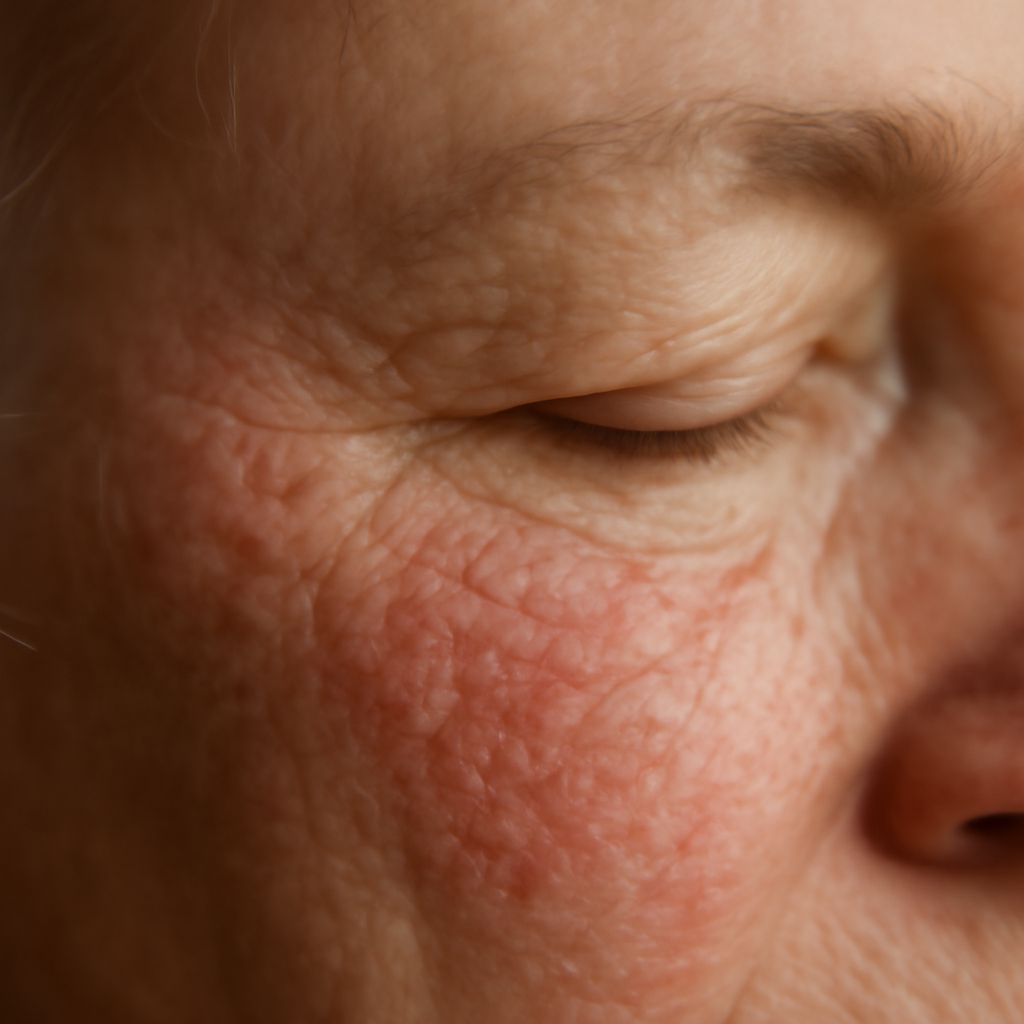
Dry skin is a common issue that can arise from various conditions, including certain STDs like herpes. Herpes, primarily known for its painful blisters, can also lead to uncomfortable dryness in affected areas. Thankfully, management is possible with targeted skincare solutions. Essential oils, for instance, have proven benefits in treating dry skin symptoms associated with herpes. Additionally, dietary supplements like fish oil can offer relief and improve overall skin health, addressing both the symptoms and the underlying causes.
What Causes Herpes Dry Skin?
How does herpes lead to dry skin?
Herpes simplex virus infections can disrupt the skin’s natural moisture barrier, resulting in dry, flaky skin. The virus often causes inflammation, leading to irritation and reduced skin hydration. This dehydration is more pronounced in areas where outbreaks occur, compounding the discomfort.
Symptoms of dry skin related to herpes
Individuals with herpes may experience patchy dryness, tightness, and rough texture on the skin. These symptoms might be accompanied by redness and a burning sensation, especially during active outbreaks. It’s important to differentiate these symptoms from other dermatological conditions to ensure appropriate treatment.
Other STDs that cause dry skin
Besides herpes, other sexually transmitted infections, such as syphilis and HIV, can also lead to dry skin. Syphilis, in its secondary stage, can cause a rash that dries out the skin, while HIV can affect skin health due to immune system compromise.
How to Identify STDs that Cause Dry Skin?
Common skin symptoms of STDs
STDs can manifest as rashes, lesions, and unusual skin dryness. These skin changes can be an early indicator of an STD, prompting individuals to seek medical evaluation. Recognizing these signs early can lead to timely intervention.
When to see a doctor
If you notice persistent dryness accompanied by other symptoms like unusual lesions or discomfort, it is crucial to consult a healthcare provider. Early diagnosis can prevent complications and facilitate effective management of both the STD and related skin issues.
What Are the Best Essential Oils for Dry Skin?
Lavender oil benefits
Lavender oil is renowned for its soothing properties, making it an excellent choice for calming irritated, dry skin. Its anti-inflammatory and moisturizing benefits help restore skin balance, providing relief from herpes-induced dryness.
Tea tree oil for skin health
Tea tree oil, with its antimicrobial properties, can be particularly beneficial in managing skin affected by herpes. While it helps combat any secondary infections, it also aids in soothing and hydrating dry skin areas.
How to use essential oils safely
When using essential oils, it’s essential to dilute them with a carrier oil to prevent irritation. Conduct a patch test before applying them widely, and consult with a dermatologist if you have sensitive skin or are prone to allergies.
Can Fish Oil Help with Dry Skin?
Omega-3 benefits for skin
Fish oil is rich in omega-3 fatty acids, known for their anti-inflammatory properties. These nutrients can significantly improve skin hydration by enhancing cell membrane health, reducing the dryness associated with herpes.
How to incorporate fish oil into your diet
To benefit from fish oil, consider incorporating fatty fish like salmon and mackerel into your diet. Alternatively, fish oil supplements can be an effective way to ensure you receive adequate omega-3s for skin health. Always check with a healthcare provider before starting supplements to ensure they are safe for your specific needs.
Practical Tips for Managing Dry Skin
Daily skincare routine
Implementing a gentle skincare routine can help manage dry skin. Use mild, fragrance-free cleansers and moisturizers to maintain skin hydration. Avoid harsh exfoliants that could exacerbate dryness and irritation.
Hydration and diet tips
Staying well-hydrated by drinking plenty of water and consuming a balanced diet rich in vitamins and minerals supports skin health. Foods high in antioxidants, like fruits and vegetables, can aid in repairing and maintaining the skin’s moisture barrier.
When to seek professional help
If over-the-counter solutions and lifestyle changes do not improve your dry skin, seek advice from a dermatologist. They can offer personalized treatment options and investigate any underlying conditions that may require medical attention.
Safety Recap: When using essential oils or supplements, it’s crucial to follow usage guidelines and consult with a healthcare professional if you have any concerns about skin sensitivity or existing health conditions.




Leave a Reply