
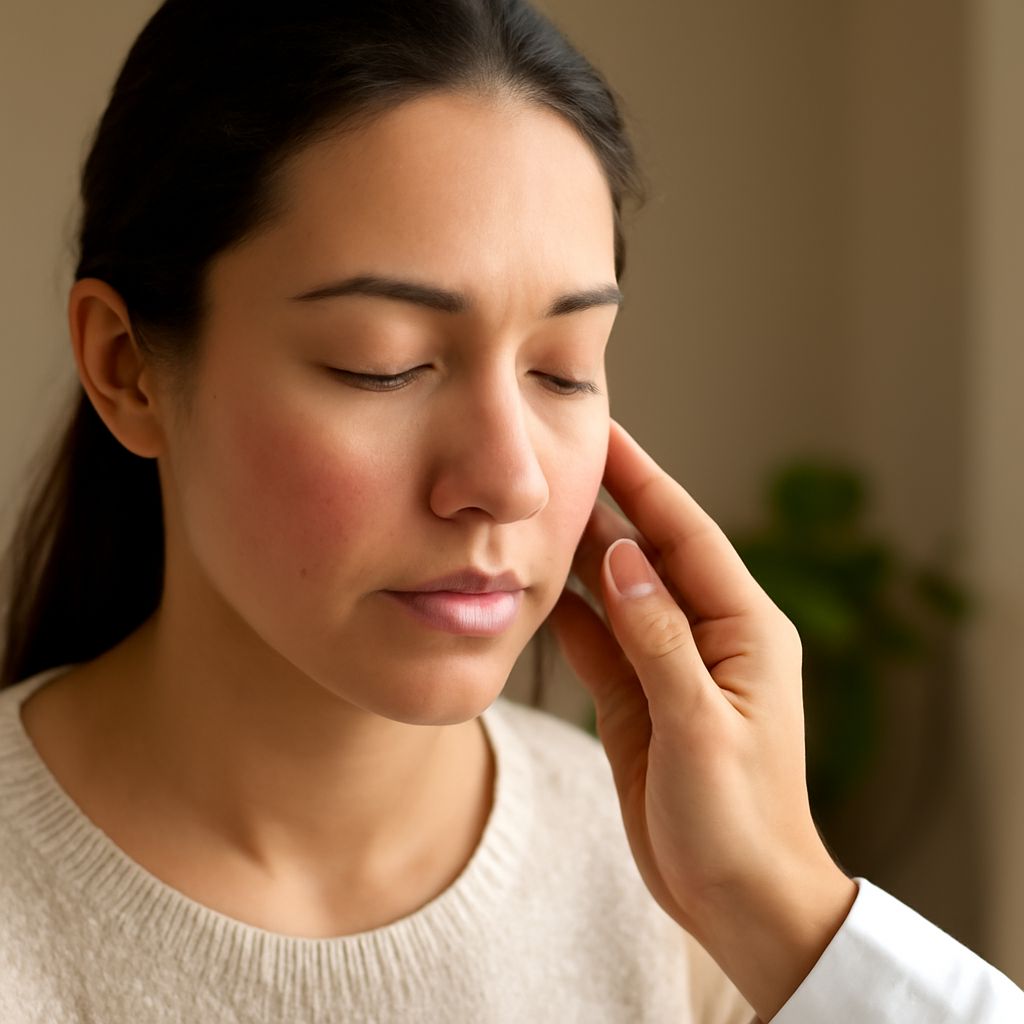
Dealing with acne often means facing more than just breakouts; the red marks they leave behind, such as those from pie acne, can be equally troublesome. While many seek effective solutions to these persistent reminders, understanding the nature of acne red marks and employing the right treatments can significantly improve skin appearance. Whether it’s using a hot compress for acne or learning how to get rid of back acne scars, there are a variety of approaches to help reduce these marks.
This article delves into the causes and treatments of pie acne, offering insights into distinguishing red marks from scars, using natural remedies, and exploring professional treatments. By understanding these aspects, you can create an effective skincare routine aimed at minimizing and preventing those stubborn red marks.
What is Pie Acne and Why Does it Occur?
Pie acne, often referred to as post-inflammatory erythema (PIE), is a type of discoloration that remains on the skin after an acne lesion has healed. Unlike other forms of acne scarring, PIE is characterized by red or pink marks that are not raised. These marks occur due to damage and inflammation of the small blood vessels beneath the skin’s surface during the healing process.
The occurrence of pie acne is not limited to any particular skin type and can affect anyone who suffers from acne. However, they are more noticeable in individuals with lighter skin tones. It is crucial to differentiate these red marks from other scars to choose the appropriate treatment method.
How Do Red Acne Marks Differ from Other Types of Scars?
Red acne marks, or PIE, differ significantly from other forms of acne scars such as pitted scars or hyperpigmentation. PIE results from inflammation and broken capillaries beneath the skin, leading to redness. In contrast, pitted scars are indentations caused by tissue loss, and hyperpigmentation involves darkening of the skin due to excess melanin production.
Understanding these differences is critical as it dictates the course of treatment. While PIE can eventually fade on its own, other scars may require more intensive interventions.
Can a Hot Compress for Acne Help Reduce Red Marks?
Using a hot compress for acne is a method that can be effective in reducing inflammation and promoting healing. The heat from the compress helps to increase blood circulation and can aid in the faster resolution of redness associated with PIE.
To apply a hot compress, soak a clean cloth in hot water, wring it out, and place it on the affected area for several minutes. However, it is important to ensure the temperature is comfortable to prevent burns, especially on sensitive skin.
What Are the Best Practices to Get Rid of Back Acne Scars?
Back acne scars, similar to those on the face, can be treated with various methods. Gentle exfoliation can help in the renewal of skin cells, while topical treatments containing ingredients like retinoids and hydroxy acids can promote skin regeneration. Professional treatments like laser therapy and chemical peels are also options for more stubborn scars.
Consistent skincare and patience are key, as these treatments can take time to show significant results.
Natural Remedies and Lifestyle Changes for Acne Red Marks
Natural remedies can complement other treatments for acne red marks. Aloe vera, known for its soothing properties, can help reduce redness. Green tea extract, due to its antioxidant content, can also aid in calming inflammation.
Additionally, lifestyle changes such as maintaining a healthy diet, staying hydrated, and reducing stress can support skin health and aid in the healing of red marks.
Professional Treatments to Consider for Stubborn Acne Red Marks
For those struggling with persistent pie acne, professional treatments might be necessary. Options include laser therapy, which targets the blood vessels causing redness, and microneedling, which can improve skin texture and tone.
Consulting with a dermatologist can provide personalized recommendations based on skin type and the severity of the marks.
Preventive Measures to Avoid Future Acne Red Marks
Preventing the formation of future acne red marks involves a proactive approach to acne management. This includes using non-comedogenic skincare products, avoiding picking or popping pimples, and applying sunscreen to protect against further skin damage and discoloration.
Regular dermatological check-ups can also help in managing acne effectively and preventing long-term consequences such as PIE.
FAQs About Pie Acne and Related Concerns
- Can PIE fade on its own? Yes, with time and proper care, PIE can gradually fade.
- How long do PIE marks last? The duration varies per individual but can last several months without treatment.
- Are there over-the-counter options? Yes, products containing niacinamide or vitamin C can be beneficial.
Safety Recap: When treating acne red marks, especially with methods like hot compresses or professional procedures, ensure that you follow safety guidelines to avoid skin damage. Always test new products on a small area of skin to check for sensitivity, and consult a healthcare professional if in doubt.


Leave a Reply