
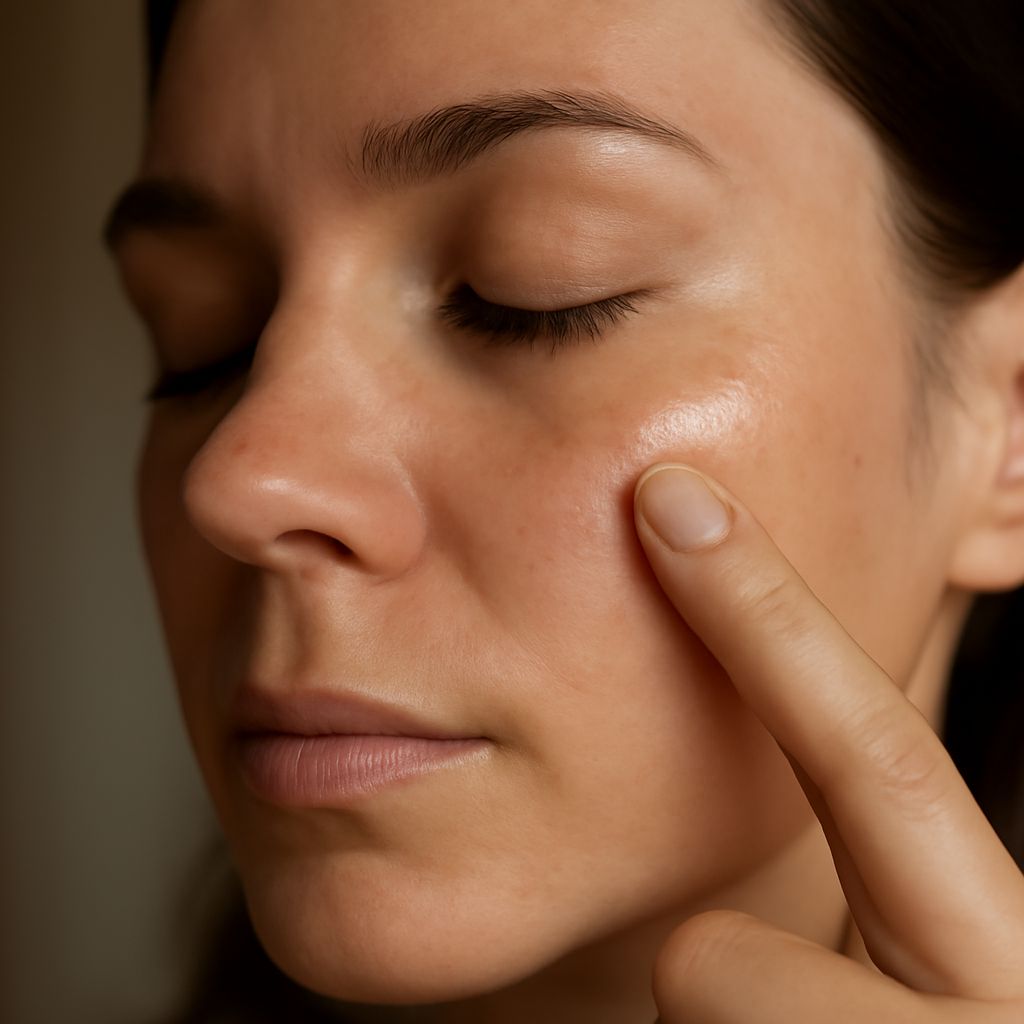
If you’ve ever asked yourself, “Why do I have oily skin?” you’re not alone. Many individuals struggle with excess oil production, leading to skin issues such as acne and blemishes. Fortunately, understanding the causes of oily skin can help in developing effective treatment strategies. From examining genetic factors to exploring natural acne scar treatment options, there are multiple pathways to achieving healthier, balanced skin.
Oily skin is characterized by an overproduction of sebum, which can be influenced by various factors. Treatment for oily skin can vary widely, from modifying your skincare routine to incorporating natural remedies. Let’s delve into the reasons behind oily skin and explore practical solutions to manage it.
What Causes Oily Skin?
Genetic Factors
Genetics play a significant role in determining skin type. If your parents have oily skin, there’s a strong possibility you will too. This is because the genes that control sebum production are often inherited, making some individuals naturally prone to excess oil.
Hormonal Changes
Hormonal fluctuations, particularly during puberty, pregnancy, or menstrual cycles, can exacerbate oil production. Hormones like androgens increase sebum production, which can lead to an oily complexion.
Dietary Influences
A diet high in sugars and unhealthy fats can contribute to oily skin. Foods with a high glycemic index can spike insulin levels, which may increase oil production. Conversely, a balanced diet rich in fruits, vegetables, and lean proteins can promote better skin health.
Environmental Factors
Environmental conditions, such as humidity and pollution, can also exacerbate oily skin. Hot and humid climates tend to increase sweat and oil production, which can lead to clogged pores and breakouts.
Why Do I Have Oily Skin?
Understanding Sebum Production
Sebum, an oily substance produced by sebaceous glands, is essential for keeping skin hydrated. However, overactive glands can lead to excess oil, contributing to a shiny appearance and potential acne.
The Role of Lifestyle Choices
Lifestyle plays a critical role in skin health. Stress, inadequate sleep, and inadequate skincare can all contribute to oily skin. Paying attention to these factors can help manage oil production effectively.
Treatment for Oily Skin: Effective Methods
Skincare Routine Adjustments
Adopting a proper skincare routine is crucial for managing oily skin. Look for non-comedogenic products and cleanse your face twice daily. Incorporating a lightweight moisturizer can also help balance oil levels.
Over-the-Counter Products
Many over-the-counter solutions, like salicylic acid and benzoyl peroxide, are effective in controlling oil and preventing breakouts. These ingredients help to exfoliate skin and unclog pores.
Professional Treatments
For persistent oily skin, consulting a dermatologist might be necessary. Professional treatments, such as chemical peels or laser therapy, can provide more intensive solutions for regulating oil production.
How Does Oily Skin Lead to Acne?
Clogged Pores and Breakouts
Excess oil can lead to clogged pores, which are the perfect breeding ground for acne-causing bacteria. This can result in pimples, blackheads, and other types of breakouts.
Preventive Measures
Preventing acne involves consistent skincare practices, like regular cleansing and exfoliating. Avoiding heavy, greasy products can also help reduce the risk of clogged pores.
Natural Acne Scar Treatment Options
Home Remedies
Home remedies, such as honey and aloe vera, can be soothing for acne scars. These natural ingredients have anti-inflammatory properties that can aid in healing and skin regeneration.
Natural Ingredients to Look For
When selecting products, look for natural ingredients like tea tree oil and witch hazel. These can help manage oil and reduce acne without harsh chemicals.
Lifestyle Changes to Manage Oily Skin
Dietary Adjustments
Adjusting your diet to include more omega-3 fatty acids and antioxidants can improve skin health. Reducing intake of sugary and processed foods can also help manage oil levels.
Stress Management
Stress can trigger hormone production that increases oil production. Techniques such as yoga, meditation, and deep breathing can help manage stress and improve skin health.
Hydration and Skin Health
Staying hydrated is essential for maintaining balanced skin. Drinking plenty of water and using a hydrating, non-greasy moisturizer can support healthy skin.
Key Takeaways: Understanding the causes of oily skin is the first step in managing it effectively. By making informed lifestyle choices and using the right skincare products, you can reduce oiliness and prevent acne. Always consider consulting a dermatologist for personalized advice and treatments.





Leave a Reply