
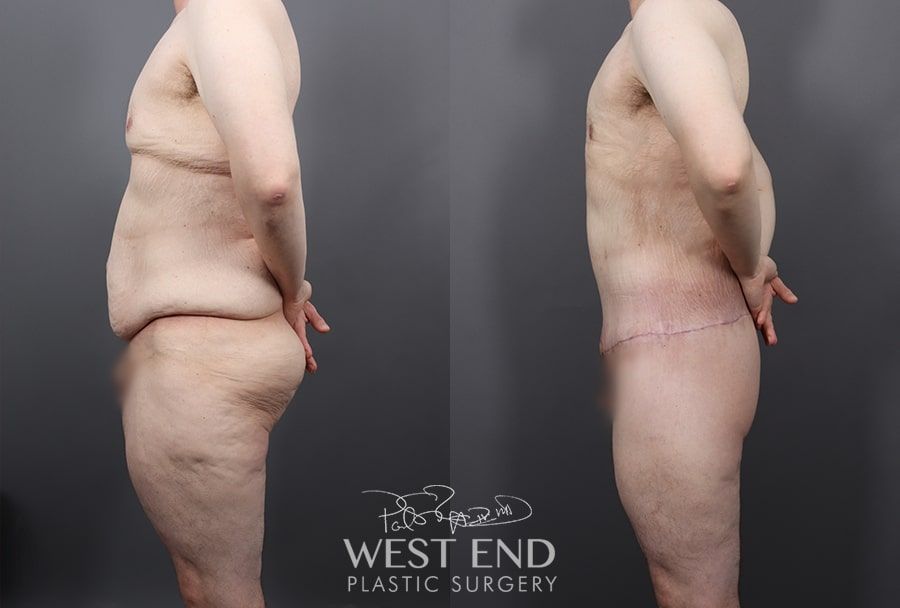
Skin removal surgery after weight loss is one of the most searched topics among people who have achieved substantial weight loss and are considering what comes next. Excess skin that remains after losing large amounts of weight does not typically retract on its own, regardless of exercise. Body contouring procedures offer a permanent solution, but they come with real recovery demands. Understanding how painful is skin removal surgery and what the skin removal surgery recovery process involves helps patients prepare realistically.
Post-surgical skin reactions are another important consideration. An itchy skin rash after surgery is a very common complaint, and not all rashes indicate infection. Learning to distinguish normal healing responses from a skin rash after surgery that requires medical attention prevents unnecessary panic and ensures appropriate care when needed.
Types of Skin Removal Surgery
Body contouring procedures vary by location. A panniculectomy removes the apron of skin below the belly button. An abdominoplasty or tummy tuck removes excess abdominal skin and tightens the underlying muscle. An arm lift, thigh lift, lower body lift, and breast lift address excess skin in their respective areas. Patients with extreme skin excess sometimes require multiple staged procedures rather than a single comprehensive operation to manage surgical risk safely.
How Painful Is Skin Removal Surgery?
Pain varies by procedure and individual. Abdominoplasty and lower body lift are among the more uncomfortable procedures due to the large surgical area and tissue manipulation involved. Most patients describe the first three to five days as significantly uncomfortable, requiring prescription pain management. By two weeks, most reduce to over-the-counter medications. Pain associated with movement, particularly getting up from lying down, is typically the most challenging aspect and improves substantially within three to four weeks.
What Does Skin Removal Surgery Recovery Look Like?
Immediate Post-Operative Period
The first week involves drainage tubes to remove fluid buildup, compression garments to support healing tissue and reduce swelling, and restricted activity. Most patients return to light activity after two weeks and full activity after six to eight weeks. Swelling and bruising persist for several weeks; final results typically become visible at three to six months.
Long-Term Healing
Scars from skin removal procedures are significant but placed strategically within natural body lines. Scar maturation takes twelve to eighteen months; fresh scars that initially appear red and raised gradually flatten and fade. Scar massage, silicone sheets, and sunscreen applied to scar areas support optimal healing throughout this period.
Understanding Post-Surgical Skin Rashes
An itchy skin rash after surgery is an extremely common experience. The most frequent cause is contact dermatitis from surgical adhesives, latex gloves, dressings, or topical antibiotic ointments. This type of rash appears as a defined red area corresponding to where the material touched the skin and responds to antihistamines and avoiding the offending substance. A generalized skin rash after surgery can also result from medications, particularly antibiotics commonly prescribed post-operatively.
When a Post-Surgical Rash Requires Attention
Most rashes after body contouring surgery are benign and resolve within days of removing the offending product. However, a rash accompanied by fever, increasing warmth, spreading redness beyond the original area, pus or unusual discharge, or rapid worsening always warrants same-day contact with your surgical team. These signs may indicate wound infection, cellulitis, or seroma, all of which require prompt intervention. Never dismiss a rash that is changing rapidly in appearance.
Preparing for the Best Possible Outcome
Patients who achieve the best surgical outcomes are those who enter surgery at or near their goal weight, are non-smokers, have well-controlled blood sugar, and commit to following post-operative instructions exactly. Maintaining weight after surgery is essential; significant weight regain reverses the results of skin removal surgery and may require revision procedures.
Pro tips recap: Expect significant discomfort in the first week after body contouring and plan adequate support at home. Post-surgical rashes are usually contact reactions to dressings or adhesives; track what touched your skin to identify the cause. Any rash with fever or spreading redness is a medical matter requiring immediate professional attention.


Leave a Reply