
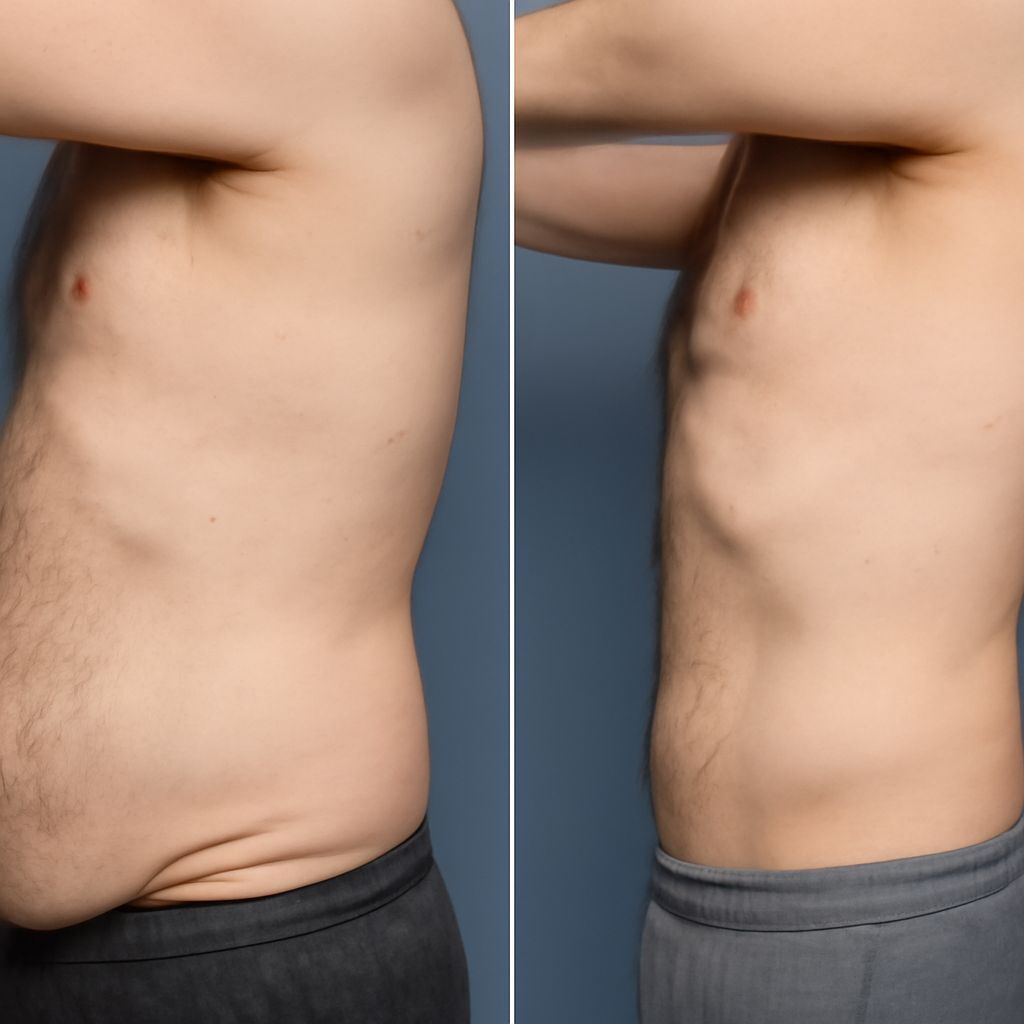
Losing weight is a remarkable achievement, yet it often brings about a new challenge: extra skin. For many, this issue primarily manifests as loose belly skin, which can be a source of frustration and discomfort. This is particularly common for individuals who experience significant weight loss over 50. Understanding the causes, prevention, and treatments for loose skin can help in effectively managing this condition.
While loose skin is a natural byproduct of weight loss, there are many ways to address it. From lifestyle changes to medical interventions, a variety of options are available for those dealing with loose skin after weight loss. By exploring the causes and solutions for this issue, individuals can make informed choices on how to handle extra skin post-weight loss.
What Causes Extra Skin After Weight Loss?
How does extra skin form?
Extra skin forms when the skin loses its elasticity and is unable to conform to the body’s new shape. During periods of weight gain, skin stretches to accommodate increased body size. However, when weight loss occurs, especially rapidly, the skin may not retract completely, leading to loose skin.
Why does weight loss lead to loose skin?
Weight loss results in a reduced layer of fat beneath the skin, which subsequently causes the skin to appear loose. The extent of loose skin can be affected by the amount of weight lost, the speed of weight loss, and individual factors such as age and genetics.
How Can You Prevent Loose Belly Skin?
Is gradual weight loss helpful?
Gradual weight loss is often recommended as it gives the skin more time to adapt to the body’s changing contours. A slow and steady approach to losing weight can minimize the risk of developing loose skin.
What role does hydration play?
Hydration is vital for maintaining skin elasticity. Drinking sufficient water helps keep skin supple and may support its ability to retract after weight loss, thereby reducing the appearance of extra skin.
How does strength training contribute?
Incorporating strength training into a fitness routine can help build muscle mass, which may fill out loose skin and improve its appearance. Toning exercises target specific areas to further support skin tautness as weight is lost.
What Are the Best Treatments for Loose Skin After Weight Loss Over 50?
What non-surgical treatments are available?
Non-surgical treatments such as radiofrequency, ultrasound, and laser therapies can tighten loose skin by stimulating collagen production. These methods are less invasive and come with fewer risks compared to surgery.
Are there effective surgical options?
Surgical options, such as abdominoplasty or body lift surgeries, are considered when loose skin causes significant discomfort or affects daily life. These procedures remove extra skin, but they involve recovery time and potential complications.
How do creams and lotions help?
Creams and lotions formulated with ingredients like retinoids and hyaluronic acid may improve skin elasticity. While they may not drastically tighten loose skin, they can enhance skin texture and appearance when used consistently.
How Does Loose Skin on the Stomach Affect Daily Life?
What are the psychological impacts?
Loose skin on the stomach can lead to psychological stress, affecting self-esteem and body image. Individuals may feel self-conscious about their appearance, which can impact social interactions and mental well-being.
How can clothing choices help?
Choosing clothing that provides support or features compression elements can help manage the appearance of loose skin. Such garments offer comfort and can boost confidence by smoothing out contours.
Why Is Loose Skin Stomach Common After Weight Loss?
What factors influence skin elasticity?
Factors such as genetics, sun exposure, and smoking can all impact skin elasticity. While some elements are beyond control, leading a healthy lifestyle can contribute to maintaining skin integrity.
Can age affect loose skin development?
Age is a significant factor in skin elasticity. As people age, their skin naturally becomes less elastic, making it more prone to developing extra skin after weight loss. This is particularly relevant for those losing weight over 50.
Are There Natural Remedies for Extra Skin?
Do dietary changes make a difference?
Adopting a diet rich in vitamins C and E, antioxidants, and healthy fats can support skin health and elasticity. Nutrients from fruits, vegetables, and nuts help the skin repair and maintain its structure.
Can massages and skin care routines help?
Regular massages and skin care routines can enhance circulation and stimulate collagen production, which may promote tighter skin. Incorporating natural oils and gentle exfoliation can further improve skin’s resilience.
Bottom line: Loose skin after weight loss is a common issue, especially following significant weight loss over 50. By understanding the causes and exploring both preventive measures and treatment options, individuals can better manage this condition. Always consult with a healthcare professional before undertaking treatments, especially those involving sharp tools or active ingredients, to ensure safety and effectiveness.



Leave a Reply