
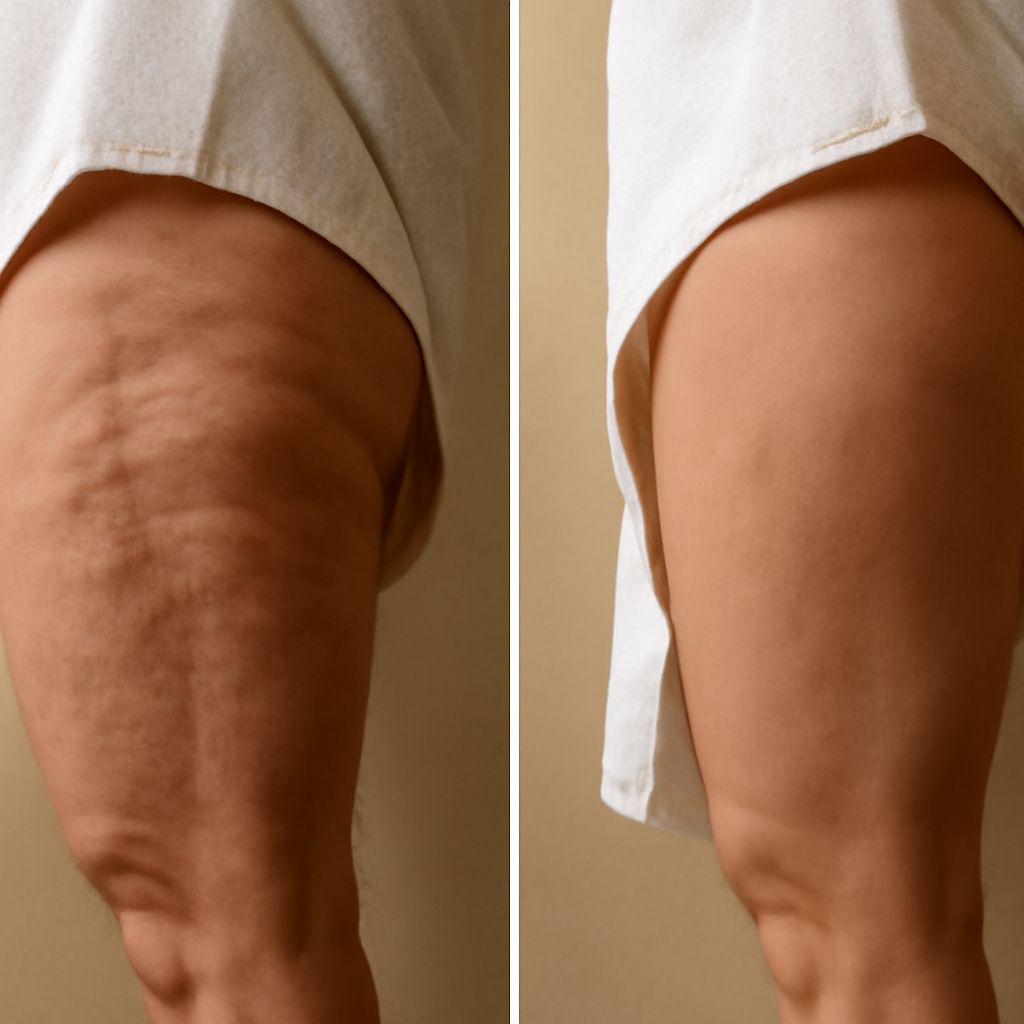
Loose skin can be a troublesome issue for many, especially after significant weight loss or pregnancy. Understanding the factors that contribute to loose skin and exploring solutions like skin tightening cream after weight loss is crucial for those looking to manage their skin’s appearance. If you’re wondering how much loose skin weighs or if you will have loose skin, this article will provide insights and solutions to address your concerns.
Exploring various methods, from topical treatments to surgical interventions, can help you determine the best approach to manage too much skin. By understanding the root causes of loose skin and the effectiveness of different solutions, including the use of skin tightening creams, you can make informed decisions for your skin health.
What Causes Loose Skin?
Factors Contributing to Loose Skin
Several factors contribute to loose skin, including age, genetics, and lifestyle choices. As we age, our skin naturally loses elasticity and firmness. Genetics can also play a role in how our skin responds to changes in weight or environmental stressors.
Age and Genetics
Age and genetic predisposition significantly impact skin elasticity. As we grow older, the production of collagen and elastin in the skin decreases, leading to sagging. Genetics determine the rate at which this process occurs, making some individuals more susceptible to loose skin than others.
Weight Loss and Pregnancy
Rapid weight loss or pregnancy can leave the skin stretched and unable to bounce back, resulting in loose skin. The skin’s ability to retract after such events depends on several factors, including the duration of skin stretching and individual genetic makeup.
Environmental and Lifestyle Factors
Environmental factors such as sun exposure and lifestyle choices like smoking and poor diet can accelerate skin aging, reducing its elasticity. Protecting the skin from UV rays and maintaining a healthy lifestyle can mitigate some of these effects.
Will I Have Loose Skin After Weight Loss?
Predicting Loose Skin
Predicting whether you will have loose skin after weight loss involves assessing factors like age, skin type, and the amount of weight lost. Younger skin tends to be more elastic, while older skin may struggle to retract after significant weight reduction.
Factors Influencing Skin Elasticity
Skin elasticity is influenced by collagen and elastin levels, hydration, and overall skin health. Maintaining a skincare routine that includes moisturizing and sun protection can support skin elasticity, potentially reducing the likelihood of loose skin.
How Much Does Loose Skin Weigh?
Estimating the Weight of Loose Skin
The actual weight of loose skin is often minimal compared to the overall body weight. It typically weighs a few pounds, depending on the amount of excess skin and the individual’s body size.
Impact on Body Image and Health
While the weight of loose skin may not be significant, its impact on body image and self-esteem can be profound. It is essential to address both the physical and psychological aspects of loose skin to improve overall well-being.
Can Skin Tightening Creams Help After Weight Loss?
How Skin Tightening Creams Work
Skin tightening creams often contain ingredients that aim to boost collagen production and improve skin elasticity. These topical treatments can be a non-invasive option to help firm the skin post-weight loss.
Key Ingredients to Look For
When selecting a skin tightening cream, look for ingredients like retinoids, peptides, and hyaluronic acid. These compounds are known for their ability to enhance skin texture and elasticity.
Effectiveness and Limitations
While skin tightening creams can offer some improvement, they may not match the results of surgical options. Their effectiveness often depends on the extent of the loose skin and the individual’s skin type.
What Are Other Solutions for Too Much Skin?
Surgical Options
Surgical procedures, such as tummy tucks or body lifts, are effective solutions for removing excess skin. These procedures can provide dramatic results but come with considerations like cost and recovery time.
Non-Surgical Treatments
Non-surgical treatments like laser therapy and radiofrequency can help tighten skin by stimulating collagen production. These options are less invasive and typically require minimal recovery time.
Lifestyle Changes to Support Skin Health
Maintaining a balanced diet, staying hydrated, and engaging in regular exercise can support skin health. These lifestyle changes can improve skin tone and texture, potentially minimizing the appearance of loose skin.
Safety recap: When considering treatments for loose skin, ensure you consult with a qualified professional, especially for surgical options. Be mindful of skin sensitivity when trying new creams, and always patch-test before full application.





Leave a Reply