
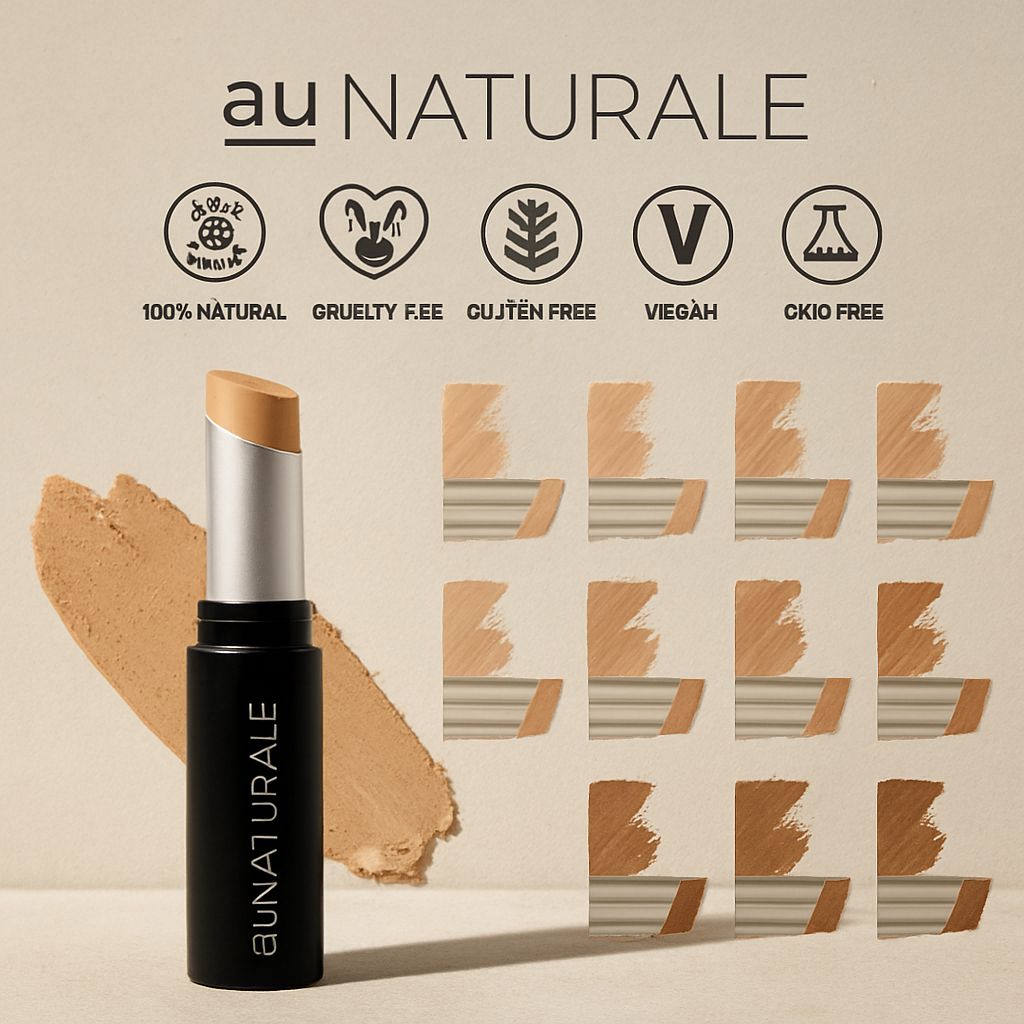
Skin cancer is among the most common cancers worldwide, yet serious misunderstandings persist. Is skin cancer contagious? No. Skin cancer cannot pass from one person to another through contact, sharing items, or proximity. Separately, many beauty consumers are searching for a cruelty free concealer that can cover skin irregularities without animal testing. Understanding both the medical reality and skin cancer screening cost helps people make informed decisions. This article also covers how much is a skin cancer screening and what the best cruelty free concealer options look like.
We’ll untangle the facts on contagion, explain what actually causes skin cancer, and then walk through what to look for in ethical concealer formulas and brands.
Can Skin Cancer Spread from Person to Person
No. Skin cancer is not contagious in any form. You cannot catch melanoma, basal cell carcinoma, or squamous cell carcinoma from another person by touching their skin, sharing towels, hugging, kissing, or any other contact.
Cancer cells from one person’s body cannot survive in another person’s immune system under normal circumstances. The immune system would identify and destroy foreign cells. Skin cancers develop due to mutations in the body’s own cells, not from an external pathogen that could transfer between people.
Some skin infections are contagious, which may be where the confusion originates. Certain viral infections like human papillomavirus (HPV) can contribute to some forms of squamous cell carcinoma, and HPV itself is transmissible. But the cancer that sometimes results is not being transmitted directly; the virus is, and even then, most HPV infections do not lead to cancer.
What Actually Causes Skin Cancer
The primary cause of most skin cancers is cumulative UV radiation exposure from sunlight and tanning beds. UV rays damage DNA in skin cells, and over time those mutations can result in uncontrolled cell growth.
Other contributing factors include fair skin, a personal or family history of skin cancer, radiation therapy, suppressed immune function, and prolonged exposure to certain chemicals. None of these are contagious.
What Does a Skin Cancer Screening Involve
A skin cancer screening is a visual examination of the skin performed by a dermatologist or trained clinician. During the exam, the provider checks moles, spots, and lesions for signs of irregularity, such as asymmetry, irregular borders, multiple colors, large diameter, or changes over time (the ABCDE criteria).
Screenings typically take 15 to 30 minutes. If a suspicious area is found, the provider may recommend a biopsy to examine the tissue more closely under a microscope.
How Much Does Skin Cancer Screening Cost
Skin cancer screening cost varies depending on whether you have insurance and where you go. With insurance, a dermatology visit for a skin check is often covered as a preventive service, though you may owe a copay of $20 to $50. Without insurance, costs range widely.
How much is a skin cancer screening without insurance? Expect anywhere from $100 to $250 or more at a private dermatology clinic. Some community health centers and free screening events offer no-cost checks. Major dermatology chains may have lower self-pay rates.
A biopsy, if needed, adds additional cost, ranging from $150 to $500 or more depending on complexity and location.
What Does Cruelty Free Mean in Cosmetics
A cruelty free product is one that was not tested on animals at any stage of development by the brand or its suppliers. This includes finished products and individual ingredients. Leaping Bunny and PETA’s Beauty Without Bunnies are the two most recognized certifications in the US market.
Note that cruelty free does not automatically mean vegan. A product can avoid animal testing while still containing animal-derived ingredients like beeswax or carmine. If vegan is also a priority, look for products certified on both counts.
Which Cruelty Free Concealers Are Worth Using
The best cruelty free concealer options span drugstore and mid-range price points. Several consistently come up in positive reviews.
e.l.f. Cosmetics is fully cruelty free and vegan. Their Hydrating Camo Concealer has a thick, buildable formula that covers dark circles and blemishes well. The range includes 30+ shades.
NYX Professional Makeup is certified cruelty free. Their HD Photogenic Concealer and Bare With Me Concealer Serum both offer lightweight coverage for everyday use.
Milani is cruelty free and offers Conceal + Perfect, a full-coverage formula with a skin-tone-matching range.
Pacifica Beauty is both cruelty free and vegan. Their concealers tend to be lighter coverage, better suited for natural or minimal-makeup days.
When choosing any cruelty free concealer, check the brand’s website directly for certification details, as marketing claims can be inconsistent with actual practices. Look for third-party certification rather than just a brand statement.
Bottom line: Skin cancer is not contagious. It develops from UV damage and cellular mutations, not from contact with another person. Skin cancer screening cost depends heavily on insurance status but is worth doing annually or per dermatologist recommendation. And whether you’re covering a blemish or a skin irregularity, several strong cruelty free concealers exist across price ranges without compromising your values.


Leave a Reply