
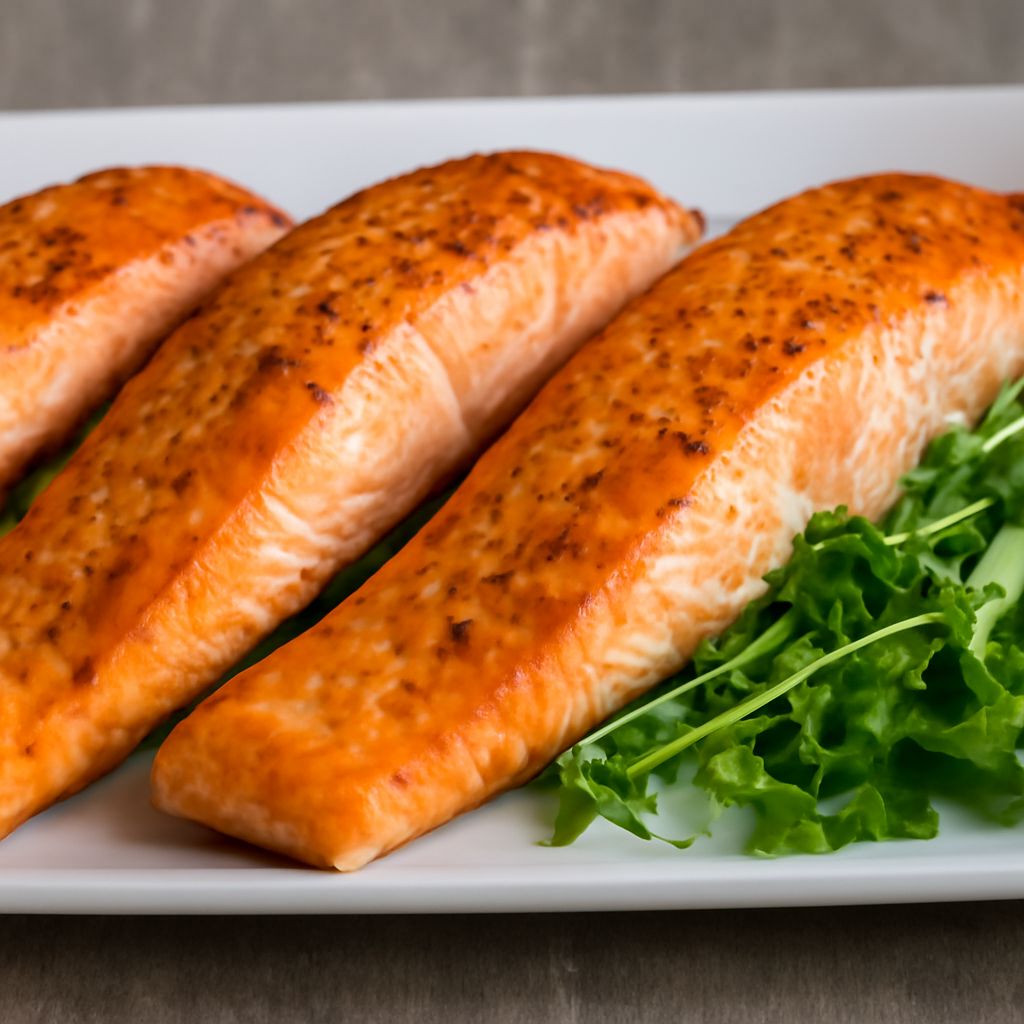
How to Cook Salmon with Skin to Perfection
Cooking salmon with its skin on is a technique that not only enhances flavor but also offers nutritional benefits. Many home cooks shy away from trying to cook skin-on salmon due to concerns about achieving the perfect crispy skin or fears of the skin sticking. However, using the right techniques, cooking salmon with the skin can be both simple and rewarding. In this guide, we’ll explore how to master the art of cooking skin-on salmon, ensuring a deliciously crispy finish every time.
By keeping the skin on when cooking salmon, you not only lock in moisture but also add a layer of protection to the delicate flesh, enhancing the overall taste and texture. From selecting the right ingredients to mastering different cooking methods like pan-frying and baking, this comprehensive guide will help you cook salmon to perfection. So let’s dive in and discover the secrets to cooking skin-on salmon like a pro.
Why Keep the Skin on When Cooking Salmon?
Benefits of Cooking with Skin
The skin of salmon acts as a protective barrier during cooking, helping to retain moisture within the fish. By cooking with the skin on, the salmon’s flavor is deepened, and the texture becomes more appealing. Additionally, the crispy skin can add a delightful contrast to the tender flesh beneath.
Nutritional Advantages
Salmon skin is rich in omega-3 fatty acids, which are essential for heart health. Cooking with the skin also ensures that these nutrients are not lost during the process, making it a wholesome choice for those looking to maximize their nutritional intake.
What Ingredients Do You Need to Cook Salmon with Skin?
Choosing the Right Salmon
Opt for fresh, high-quality salmon to ensure the best result. Wild-caught salmon is often preferred due to its superior flavor and texture. When purchasing, ensure that the skin is intact and the flesh is firm to the touch.
Essential Seasonings and Oils
Simple seasonings like salt, pepper, and lemon are often all you need to enhance the natural flavors of salmon. Use high-quality oils like olive or avocado oil for their high smoke points and health benefits, ensuring the skin crisps up beautifully.
How to Cook Salmon with Skin in a Pan
Preparing the Salmon
Pat the salmon fillets dry with paper towels to remove excess moisture. This step is crucial to achieving crispy skin. Season both sides generously with salt and pepper.
Steps for Pan-Frying
- Heat a large skillet over medium-high heat and add a tablespoon of oil.
- Place the salmon skin-side down in the skillet and press gently with a spatula to ensure even contact with the pan.
- Cook for about 6–7 minutes until the skin is crispy and releases easily from the pan, then flip and cook for another 2–3 minutes.
Tips for Crispy Skin
Ensure the pan is hot before adding the fish, and avoid moving the salmon while the skin is crisping. A hot pan and minimal disturbance are key to keeping the skin intact and achieving that desired crunch.
How to Bake Salmon with Skin in the Oven
Preparing Your Baking Sheet
Line a baking sheet with parchment paper or lightly oil it to prevent sticking. Preheat your oven to 400°F (200°C).
The Baking Process
Place the salmon skin-side down on the prepared baking sheet. Season as desired, and bake for 12–15 minutes, depending on the thickness of the fillet.
Checking for Doneness
The salmon is done when the flesh flakes easily with a fork and appears opaque throughout. Avoid overbaking to maintain moisture and tenderness.
What Are Other Methods to Cook Salmon with Skin On?
Grilling Techniques
Grilling is a popular method for cooking salmon, imparting a smoky flavor while keeping the skin crispy. Preheat the grill and cook the salmon skin-side down for about 6 minutes per side.
Poaching with Skin
Poaching involves cooking the salmon gently in simmering liquid, which keeps the fish incredibly moist. While the skin won’t crisp in this method, it helps hold the fillet together during cooking.
Broiling for a Crispy Finish
Broiling is an excellent way to achieve crispy skin. Place the salmon close to the heat source and broil skin-side up for 5–7 minutes, watching closely to prevent burning.
Common Mistakes When Cooking Skin-On Salmon
Avoiding Overcooking
Overcooking is a common mistake that results in dry, tough salmon. Keep an eye on cooking times and check for doneness regularly to ensure a tender result.
Managing Skin Adhesion
To prevent the skin from sticking, preheat your pan or grill adequately and use enough oil. Ensuring the skin is dry before cooking also reduces the chance of sticking.
How to Serve and Enjoy Salmon with Skin
Pairing with Sides
Salmon pairs wonderfully with a variety of sides, from roasted vegetables and quinoa to light salads and rice pilaf. Choose sides that complement the rich flavor of the fish.
Presentation Tips
For an elegant presentation, serve the salmon skin-side up to showcase its crispiness. Garnishing with fresh herbs or a squeeze of lemon can enhance both the visual appeal and flavor.
Safety Recap: When handling sharp knives or hot cookware, always practice caution. Similarly, if you have sensitive skin, be aware that handling raw fish may cause irritation. Cooking salmon with skin can be a delightful experience when approached with care and attention to detail.


Leave a Reply