
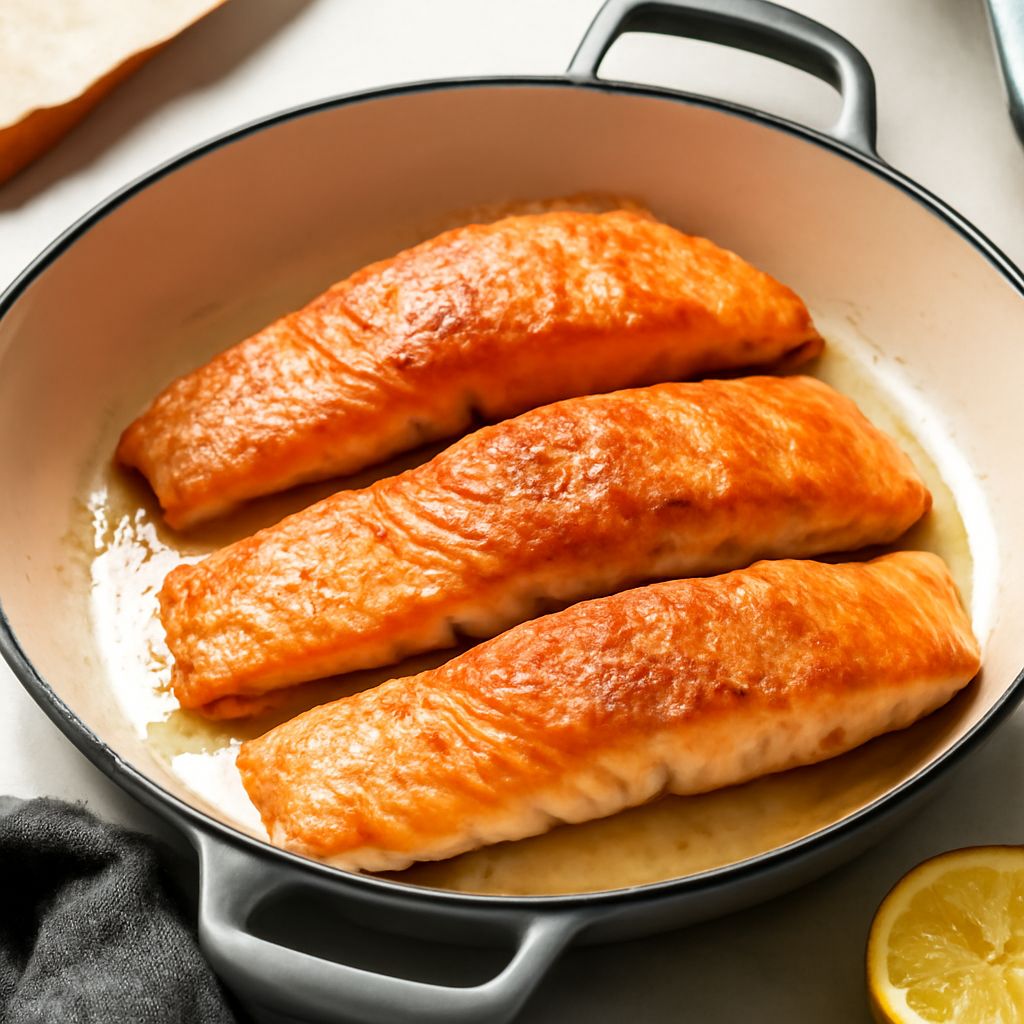
Are you tired of trying skin on salmon recipes that promise golden, crispy results but leave you with soggy skin? Achieving the perfect crispy skin salmon can be a daunting task, but with the right techniques and knowledge, you can master it. This guide will take you through the science of crispy skin, help you select the perfect cut of salmon, and reveal the secrets to flawless skin on salmon recipes. With a few expert tips, you’ll be on your way to creating delicious, restaurant-quality salmon with skin recipes in your own kitchen.
What Makes a Crispy Skin Salmon Recipe Perfect?
Understanding the Science of Crispy Skin
The key to crispy skin lies in understanding how moisture and heat interact with the texture of the fish. When cooking salmon with skin, moisture is the enemy of crispiness. To achieve that desired crunch, it’s essential to dry the skin thoroughly before cooking. The heat transforms the skin’s natural fats into a crispy layer, providing a delightful contrast to the tender flesh.
Importance of Choosing the Right Salmon Cut
Not all salmon cuts are created equal when it comes to achieving crispy skin. Opt for fillets with an even thickness to ensure uniform cooking. Skin-on salmon from the fatty belly section often yields better results due to its rich fat content, which aids in achieving that perfect golden crisp.
How to Choose the Best Salmon for Skin-on Cooking?
Farmed vs. Wild Salmon
The choice between farmed and wild salmon significantly impacts the flavor and texture of your dish. Wild salmon generally offers a more robust flavor, while farmed salmon provides a milder taste and more consistent fat content. For crispy skin, farmed salmon’s higher fat content can be advantageous, creating a richer, more flavorful crust.
Freshness Indicators to Look For
Freshness is crucial when selecting salmon. Look for bright, glossy skin and firm, moist flesh. The fish should have a mild ocean scent without any overpowering fishy odor. Ensuring these indicators will result in a fresher taste and a more appealing texture.
What Ingredients Do You Need for a Skin On Salmon Recipe?
Essential Ingredients
A simple crispy skin salmon recipe requires only a few core ingredients: fresh salmon fillets, salt, and oil. A neutral oil with a high smoke point, such as canola or vegetable oil, is ideal for achieving crispiness without burning.
Optional Flavor Enhancements
While the basic recipe is delightful on its own, you can enhance its flavor with additional ingredients like freshly ground pepper, lemon zest, or a sprig of fresh dill. These elements add depth and zest to the dish, complementing the natural flavors of the salmon.
What Are the Steps to Achieve Crispy Skin on Salmon?
Preparing the Salmon
Begin by patting the salmon skin dry with paper towels. For added crispness, lightly scoring the skin can help render fat more effectively. Season generously with salt, which helps draw out moisture and enhances flavor.
Cooking Techniques for Crispy Skin
Heat a skillet over medium-high heat and add oil. Once the oil shimmers, gently place the salmon skin-side down. Pressing down with a spatula ensures even contact between the skin and the pan. Cook until the skin is golden and crispy, then finish by flipping the salmon to cook the flesh side to your desired doneness.
Resting and Serving Tips
Allow the salmon to rest briefly after cooking. This step allows the juices to redistribute, resulting in a moist and tender bite. Serve with your choice of sides or enjoy it as the star of a fresh salad.
How Can You Experiment with Different Skin On Salmon Recipes?
Variations in Seasonings
Beyond salt and lemon, consider experimenting with a variety of spices and herbs. Try a smoked paprika rub for a smoky flavor or a sprinkle of cayenne for a spicy kick. The possibilities are endless, offering a new experience with each preparation.
Pairing with Sides
The versatility of crispy skin salmon allows it to pair beautifully with a range of sides. Consider roasted vegetables, quinoa salads, or creamy mashed potatoes as complementary accompaniments. Such pairings can enhance your dining experience and provide balanced nutrition.
What Are Common Mistakes to Avoid in Salmon with Skin Recipes?
Overcooking the Salmon
Overcooked salmon can become dry and tough, losing its delicate flavor and texture. Pay close attention to cooking times, aiming for a medium to medium-rare finish to maintain juiciness.
Not Using the Right Heat
Proper heat control is essential. Too low a heat will result in soggy skin, while too high can burn the skin before the fish is cooked through. Medium-high heat is typically ideal for achieving a perfect crispy exterior.
How to Store and Reheat Crispy Skin Salmon?
Proper Storage Methods
Store leftover salmon in an airtight container in the refrigerator. Consuming it within two days ensures the best flavor and texture preservation.
Reheating Tips to Maintain Crispiness
To reheat, place the salmon skin-side up on a baking sheet in a preheated oven at 350°F (175°C) for about 10 minutes. Avoid using the microwave, which can make the skin soggy.
Bottom line: Crispy skin salmon is a delightful dish that, with the right techniques and care, can be easily achieved at home. By understanding the importance of freshness, proper seasoning, and optimal cooking methods, you can perfect this culinary classic. Always handle sharp kitchen tools and hot surfaces with care to ensure a safe and enjoyable cooking experience.





Leave a Reply