
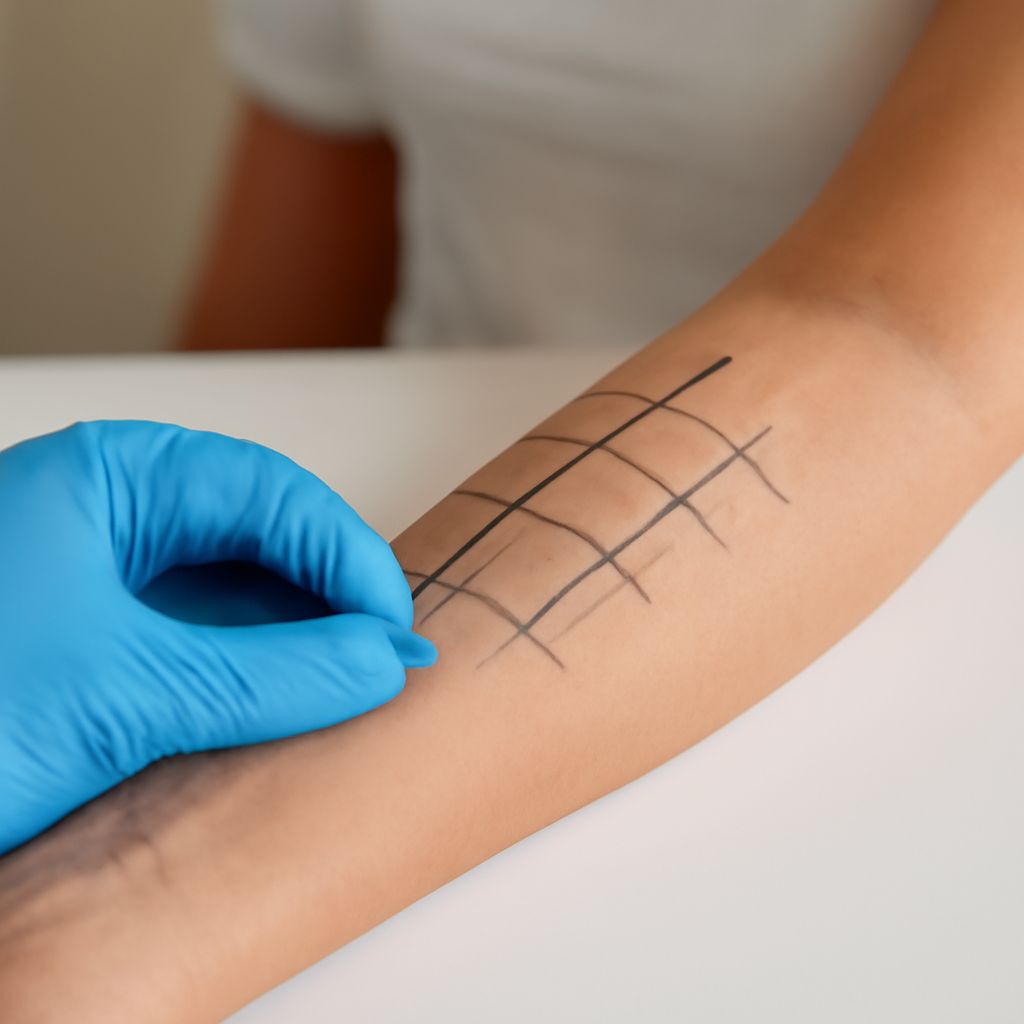
Allergy skin tests are essential tools for diagnosing allergic reactions, providing accurate insights into how your body reacts to specific allergens. For many, understanding the allergy skin test results chart can be daunting, but grasping this can significantly help in managing your allergy-related health issues. Knowing how to interpret allergy skin test results accurately ensures that you receive the right treatment and make informed decisions about your health.
By using a comprehensive approach that includes understanding what allergy skin tests are, how they are conducted, and how to read the results, we aim to demystify this process. This article will guide you through the basics of skin allergy testing, help you interpret your results effectively, and provide advice on what steps to take following your diagnosis.
What is an Allergy Skin Test?
Purpose of Skin Allergy Testing
The main purpose of skin allergy testing is to identify specific substances that trigger allergic reactions in individuals. These tests can detect sensitivities to various allergens, such as pollen, pet dander, and certain foods. By pinpointing the allergens, healthcare providers can develop a personalized treatment plan to minimize or prevent allergic reactions.
Types of Allergy Skin Tests
There are several types of allergy skin tests, each designed to diagnose different kinds of allergic responses. The most common forms include the skin prick test, intradermal test, and patch test. The skin prick test involves placing a small amount of the allergen on the skin’s surface, while the intradermal test involves injecting a small amount of allergen under the skin. Patch tests, on the other hand, are used for diagnosing allergic contact dermatitis by applying patches with allergens to the skin.
How is an Allergy Skin Test Conducted?
Preparation for the Test
Preparation for an allergy skin test involves avoiding antihistamines and certain medications that could interfere with the results. It’s important to inform your healthcare provider about all medications and supplements you are taking. Your doctor may also instruct you to refrain from using lotions or creams on the test area before the procedure.
Steps Involved in Skin Testing The steps involved in skin testing vary depending on the type of test being conducted. For a skin prick test, a healthcare professional will clean the area, apply drops of allergen solutions, and gently prick the skin’s surface. For intradermal tests, a small allergen dose is injected just under the skin. During a patch test, patches containing allergens are affixed to your skin and left in place for 48 hours to observe any reactions.
How to Read Allergy Skin Test Results?
Understanding the Allergy Skin Test Results Chart
Reading the allergy skin test results chart involves evaluating the size and redness of any wheals or hives that develop at the test sites. A larger wheal and more redness typically indicate a stronger reaction. The chart helps healthcare providers determine which allergens cause significant reactions and need addressing in a treatment plan.
Common Indicators and Their Meanings
Common indicators on the results chart include the wheal size, which is measured in millimeters. A reaction is considered positive if the wheal is larger than a predetermined size. Other indicators include erythema (redness) and the presence of itching or discomfort. Understanding these signs aids in identifying specific allergies and assessing their severity.
What Should You Do After Receiving Your Results?
Interpreting the Results with a Doctor
After receiving your allergy skin test results, it’s crucial to discuss them with your doctor. They can help interpret the findings, placing them in the context of your medical history and symptoms. This collaborative approach ensures that you understand the implications of the results and how they affect your day-to-day life.
Next Steps After Diagnosis
Next steps after a diagnosis may include creating an allergy management plan, which could involve avoiding identified allergens, taking medications, or starting allergy immunotherapy. Your healthcare provider might also recommend regular follow-ups to monitor your condition and adjust your treatment plan as necessary.
In using tools like needles during skin tests, safety is paramount. Proper sterilization and technique minimize risks. Always consult healthcare professionals for personalized advice.



Leave a Reply