
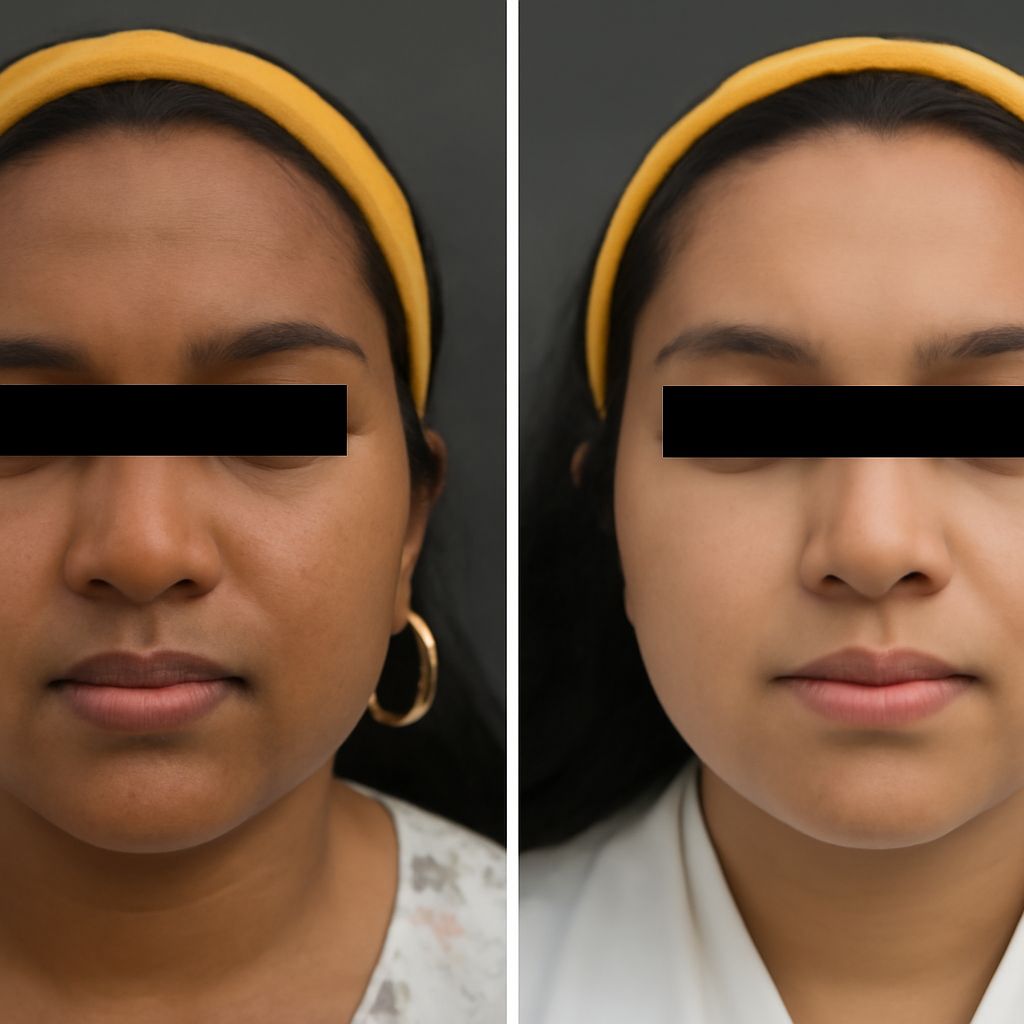
Many individuals seek skin whitening treatments in pursuit of a radiant and even complexion. With numerous options available, ranging from topical solutions to professional procedures, it is crucial to find the best skin lightening treatments that cater to different skin types and needs. This guide will explore the diverse approaches to achieving a lighter complexion while highlighting important safety considerations and tips for maintaining results.
Among the myriad of skin lightening treatment techniques, not all methods are created equal. Understanding how these treatments work and their potential risks can help you make informed decisions and safely incorporate them into your skincare routine. Discover effective strategies to enhance your skin’s glow and brightness.
What Are Skin Lightening Treatments?
Understanding the Purpose
Skin lightening treatments are designed to reduce pigmentation and promote a more uniform skin tone. These treatments target melanin production, the pigment responsible for skin color, to address issues such as age spots, freckles, and melasma. By inhibiting melanin synthesis, these solutions aim to diminish hyperpigmentation and reveal a clearer complexion.
Common Ingredients Used
Various ingredients are commonly used in skin whitening treatments, each with unique properties. Hydroquinone, a powerful bleaching agent, is often used for its efficacy in reducing pigmentation. Kojic acid, derived from fungi, is another popular choice for its ability to lighten dark spots. Other natural ingredients like vitamin C, niacinamide, and licorice extract offer gentle yet effective alternatives for brightening the skin.
How Do Skin Whitening Treatments Work?
Topical Creams and Serums
Topical creams and serums are widely used in the realm of skin whitening, offering accessible and non-invasive options. These products typically contain active ingredients that inhibit tyrosinase, the enzyme responsible for melanin production. Regular application can gradually lighten dark areas and improve overall skin luminosity.
Advanced Dermatological Procedures
For those seeking more immediate results, advanced dermatological procedures can be more effective. Treatments such as chemical peels, laser therapy, and microdermabrasion work by exfoliating the skin or breaking down melanin clusters to promote a brighter appearance. These procedures often require professional consultation and should be performed by qualified practitioners.
Are Skin Whitening Treatments Safe?
Potential Risks and Side Effects
While many skin lightening treatments are safe when used correctly, it’s important to be aware of potential side effects. Overuse of certain bleaching agents can lead to skin irritation or damage. Allergic reactions and increased sun sensitivity are also possible, necessitating caution and adherence to usage guidelines.
Consulting with a Dermatologist
Consulting with a dermatologist can ensure a safe and effective approach to skin lightening. A professional can assess your skin condition, recommend suitable treatments, and provide guidance on managing potential risks. Personalized advice helps tailor treatments to your skin type and specific concerns.
What Are the Best Skin Lightening Treatments?
Popular Over-the-Counter Solutions
Over-the-counter solutions for skin lightening include creams and serums containing ingredients like alpha arbutin and glycolic acid. These products are user-friendly and can be incorporated into daily skincare routines. Consistent use over time can help achieve noticeable improvements in skin brightness.
Professional Treatments
Professional treatments offer more targeted and potent results for skin whitening. Options such as laser therapy and intense pulsed light (IPL) treatments can effectively address stubborn pigmentation issues. These procedures typically require fewer sessions but should be conducted under expert supervision.
How to Choose the Right Whitening Skin Method for You
Factors to Consider
Choosing the right skin whitening method involves considering various factors, including skin type, pigmentation severity, and budget. Evaluating these elements can help determine the most appropriate treatment, ensuring both safety and efficacy. A dermatologist’s input can be invaluable in guiding this decision-making process.
Tips for Maintaining Results
Maintaining results from skin lightening treatments requires a comprehensive skincare routine. Regular use of sunscreen is crucial to protect against UV damage that can reverse treatment effects. Additionally, incorporating hydrating and nourishing products can support skin health and prolong the benefits of whitening treatments.
Bottom line: Skin lightening treatments offer numerous pathways to a brighter complexion, from accessible creams to advanced procedures. By understanding the benefits and potential risks, and consulting with a dermatologist, you can safely achieve and maintain radiant skin. Always prioritize skin health and follow recommended guidelines for optimal results.





Leave a Reply