
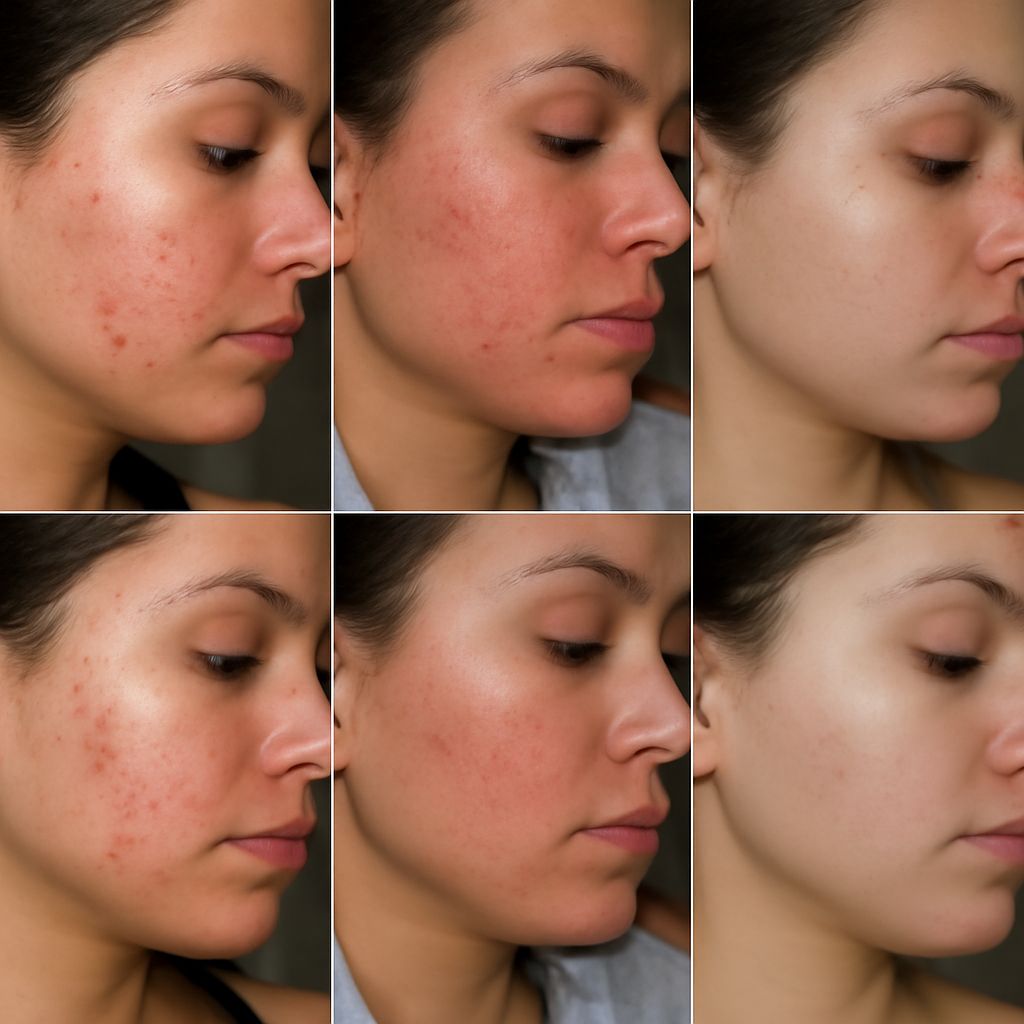
Acne can be a persistent and frustrating skin condition, affecting individuals of all ages. The pursuit of clear skin often leads people to explore various treatment options, with doxycycline monohydrate being a popular choice. As an antibiotic, doxycycline helps in reducing the inflammation and bacteria responsible for acne breakouts, including stubborn cystic acne. But how effective is this treatment, and how long does it take for doxycycline to work on acne? Understanding the intricacies of doxycycline for acne treatment can guide individuals in their journey to clearer skin.
What Is Doxycycline and How Does It Help Acne?
Understanding Doxycycline for Acne Treatment
Doxycycline is a tetracycline antibiotic widely used to treat acne due to its ability to combat bacteria and reduce inflammation. By targeting the bacteria known as Propionibacterium acnes, doxycycline helps to lower the risk of developing new lesions. This medication is particularly beneficial for individuals with inflammatory acne, where redness and swelling are prevalent.
Benefits of Doxycycline Monohydrate Acne Management
Doxycycline monohydrate offers several advantages for acne sufferers. It provides a dual-action approach by not only eliminating acne-causing bacteria but also soothing inflamed skin. This makes it an effective solution for reducing the frequency and severity of acne outbreaks. For those struggling with persistent acne, including cystic acne, doxycycline can serve as a reliable option when other treatments fall short.
How Long Does Doxycycline Take to Work for Acne?
Typical Timeline for Doxycycline Effectiveness
The timeline for doxycycline to show noticeable effects on acne can vary among individuals. Generally, patients might begin to observe improvements within two to four weeks of treatment. However, for full results, a treatment period of up to three months may be necessary. Patience is crucial, as the medication works gradually to clear up the skin.
Factors Influencing Doxycycline’s Impact on Acne
Several factors can affect how quickly doxycycline works to alleviate acne symptoms. These include the severity of the acne, the patient’s adherence to the prescribed regimen, and individual skin responses. Additionally, lifestyle components such as diet and stress levels can influence the effectiveness of doxycycline. It’s important to follow the dermatologist’s guidance closely to achieve the best results.
Is Doxycycline Effective for Cystic Acne?
Doxycycline’s Role in Managing Severe Acne
Cystic acne is one of the most severe forms of acne, characterized by deep, inflamed nodules. Doxycycline can be particularly beneficial in such cases due to its potent anti-inflammatory properties. For individuals dealing with cystic acne, doxycycline may help reduce the size and pain of cysts, leading to a visible improvement in skin texture and overall condition.
Comparing Doxycycline with Other Acne Treatments
While doxycycline is effective for many people, it may not be the sole solution for everyone. Comparing it with other treatments like topical retinoids or hormonal therapies can provide a comprehensive approach to acne management. Often, dermatologists may recommend combining doxycycline with other treatments to enhance its efficacy, especially in cases of severe acne.
What Are the Potential Side Effects of Doxycycline?
Common Side Effects of Doxycycline for Acne
Like any medication, doxycycline may cause side effects. Common reactions include gastrointestinal discomfort, such as nausea or diarrhea, and increased sensitivity to sunlight. It is important for patients to monitor their response to the medication and report any adverse effects to their healthcare provider promptly.
Managing and Minimizing Side Effects
To minimize side effects, patients are advised to take doxycycline with food and a full glass of water, unless otherwise directed by their doctor. Consistent use of sunscreen is also recommended to protect against photosensitivity. If side effects persist or worsen, consulting with a healthcare professional is essential to adjust the treatment plan as needed.
Next steps: To maintain clear skin, it is important to adhere to the prescribed doxycycline regimen while incorporating healthy skincare practices. Regular follow-ups with a dermatologist will ensure the treatment remains effective and any adjustments can be made promptly. Staying informed about acne treatments and diligently caring for your skin will support long-term improvements and skin health.





Leave a Reply